CLARITY Act
《CLARITY 法案》是一项拟议中的美国法案,旨在为数字资产建立联邦市场结构框架,在 SEC 和 CFTC 之间划分监管职责,并为交易所、托管和披露设定规则。
精选11 mins read
探索关于区块链、去中心化金融和 Web3 的顶级文章合集 - 由行业顶尖专家和教育者精心策划,由我们著名的 AI 编辑 SOPHIA 实时核查和更新
使用 IQ 代币参与 IQ.wiki 和 IQ 生态系统的治理。
按市值探索每一项主要资产——每个项目、创始人和生态系统都有深度维基文章支撑。
查看全部精选行业领袖人物、项目与前沿理念的深度洞察 — 由 Sophia 每日策划。
《CLARITY 法案》是一项拟议中的美国法案,旨在为数字资产建立联邦市场结构框架,在 SEC 和 CFTC 之间划分监管职责,并为交易所、托管和披露设定规则。

Anatoly Yakovenko 是 Solana 的首席执行官兼联合创始人,曾任高通(Qualcomm)的高级主任工程师经理。他是 VoIP、SIP 和 RTP 协议栈方面的专家。

Jeff Yan 是 Hyperliquid 的联合创始人兼公众形象,Hyperliquid 是一个建立在定制 Layer-1 区块链上的去中心化交易所。

Huaisong Xiang(向怀松)曾任 Robinhood 工程师及金融专业人士,于 2026 年被联邦检察官起诉,指控其涉嫌利用 Robinhood Crypto 代币上市的机密信息进行交易。

澳大利亚人工智能研究员兼工程师,Thinking Machines Lab 联合创始人,曾任 Meta 和 OpenAI 机器学习系统负责人,自 2026 年起担任 Anthropic 推理与性能团队成员。

STONK 是 StonkFun 的 Solana 原生实用代币,StonkFun 是一个代币发行平台,其收取的费用用于回购并销毁 STONK。

Hefu Chai 是一位软件工程师,他在 2026 年因涉嫌利用 Robinhood Crypto 上币的机密信息进行交易,被指控犯有商品欺诈和电汇欺诈罪。

Thibault Sottiaux 是一位比利时软件工程师和产品负责人,以领导 OpenAI 的 Codex 项目并负责 OpenAI 核心产品而闻名。他拥有比利时鲁汶大学(UCLouvain)的理学学士和理学硕士学位。

巨鲸囤币(Whale accumulation)是一个术语,描述了大型加密货币持有者似乎正在增加其资产链上余额的模式,为供应集中度、交易所流量和市场参与情况提供了背景参考。
山寨币季节(Altseason)是一个术语,指代替代加密货币(山寨币)的表现显著优于比特币的时期,通常由资金从比特币转向山寨币以及比特币市场占有率下降所驱动。

IQ 代币是用于去中心化金融的加密货币,通过代理代币化平台(ATP)支持自主代币化代理。它由 BrainDAO 管理,支持 IQ.wiki 并可在多个区块链上使用。
Quantus 是一个 Layer 1 区块链项目,它实现了后量子密码学、ZK 聚合和 PoW 共识,旨在提供一个量子安全的价值存储和支付平台。

链上数据是直接记录在区块链上的信息——包括交易、区块、智能合约交互、代币转账和钱包余额——网络对其进行验证并将其存储为公开、不可篡改的账本,这与链下数据有所区别。
GMGN 是一个多链 Meme 币交易终端和 AI 辅助平台,用于在 Solana、Ethereum、Base、BNB Chain、MegaETH 和 Robinhood Chain 上发现、分析和交易 Meme 代币。
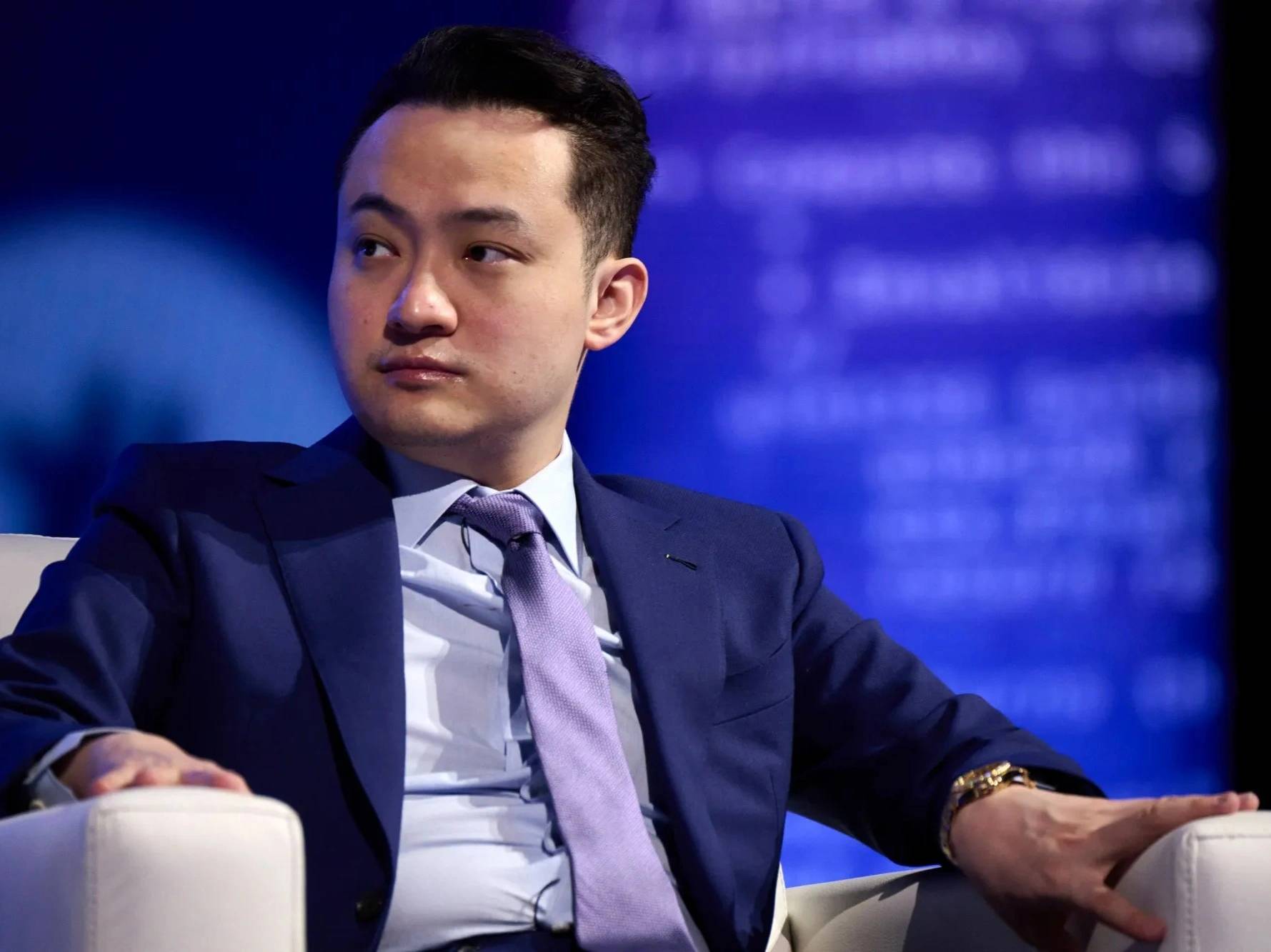
孙宇晨(Justin Sun)是一位区块链企业家,波场(TRON)创始人,自由地(Liberland)总理,以及 HTX 和 B.AI 的顾问。他曾担任格林纳达驻世界贸易组织(WTO)大使及常驻代表。

Crypto.com 是一家成立于 2016 年的加密货币交易所和金融服务平台,提供交易、支付、卡片及 DeFi 产品。
《CLARITY 法案》是一项拟议中的美国法案,旨在为数字资产建立联邦市场结构框架,在 SEC 和 CFTC 之间划分监管职责,并为交易所、托管和披露设定规则。
Anatoly Yakovenko 是 Solana 的首席执行官兼联合创始人,曾任高通(Qualcomm)的高级主任工程师经理。他是 VoIP、SIP 和 RTP 协议栈方面的专家。
Jeff Yan 是 Hyperliquid 的联合创始人兼公众形象,Hyperliquid 是一个建立在定制 Layer-1 区块链上的去中心化交易所。
Huaisong Xiang(向怀松)曾任 Robinhood 工程师及金融专业人士,于 2026 年被联邦检察官起诉,指控其涉嫌利用 Robinhood Crypto 代币上市的机密信息进行交易。
澳大利亚人工智能研究员兼工程师,Thinking Machines Lab 联合创始人,曾任 Meta 和 OpenAI 机器学习系统负责人,自 2026 年起担任 Anthropic 推理与性能团队成员。
STONK 是 StonkFun 的 Solana 原生实用代币,StonkFun 是一个代币发行平台,其收取的费用用于回购并销毁 STONK。
Hefu Chai 是一位软件工程师,他在 2026 年因涉嫌利用 Robinhood Crypto 上币的机密信息进行交易,被指控犯有商品欺诈和电汇欺诈罪。
Thibault Sottiaux 是一位比利时软件工程师和产品负责人,以领导 OpenAI 的 Codex 项目并负责 OpenAI 核心产品而闻名。他拥有比利时鲁汶大学(UCLouvain)的理学学士和理学硕士学位。
巨鲸囤币(Whale accumulation)是一个术语,描述了大型加密货币持有者似乎正在增加其资产链上余额的模式,为供应集中度、交易所流量和市场参与情况提供了背景参考。
山寨币季节(Altseason)是一个术语,指代替代加密货币(山寨币)的表现显著优于比特币的时期,通常由资金从比特币转向山寨币以及比特币市场占有率下降所驱动。
IQ 代币是用于去中心化金融的加密货币,通过代理代币化平台(ATP)支持自主代币化代理。它由 BrainDAO 管理,支持 IQ.wiki 并可在多个区块链上使用。
Quantus 是一个 Layer 1 区块链项目,它实现了后量子密码学、ZK 聚合和 PoW 共识,旨在提供一个量子安全的价值存储和支付平台。
链上数据是直接记录在区块链上的信息——包括交易、区块、智能合约交互、代币转账和钱包余额——网络对其进行验证并将其存储为公开、不可篡改的账本,这与链下数据有所区别。
GMGN 是一个多链 Meme 币交易终端和 AI 辅助平台,用于在 Solana、Ethereum、Base、BNB Chain、MegaETH 和 Robinhood Chain 上发现、分析和交易 Meme 代币。
孙宇晨(Justin Sun)是一位区块链企业家,波场(TRON)创始人,自由地(Liberland)总理,以及 HTX 和 B.AI 的顾问。他曾担任格林纳达驻世界贸易组织(WTO)大使及常驻代表。
Crypto.com 是一家成立于 2016 年的加密货币交易所和金融服务平台,提供交易、支付、卡片及 DeFi 产品。
探索区块链行业的每个角落——从人物和项目到协议和生态系统,所有内容都井然有序,方便您轻松发现。

Mark (Yihao) Zhang 是去中心化衍生品交易所 MYX Finance 的创始人兼首席执行官。他曾担任 Huobi 和 OKEx 的衍生品负责人,负责监督 MYX 的融资、代币发行、协议升级以及对代币相关争议的回应。

Stani Kulechov 是一位芬兰程序员和企业家,Aave Labs 的创始人兼首席执行官,以及 Lens Protocol 的创始人,以其在去中心化金融(DeFi)和 Web3 社交媒体领域的工作而闻名。
Hefu Chai 是一位软件工程师,他在 2026 年因涉嫌利用 Robinhood Crypto 上币的机密信息进行交易,被指控犯有商品欺诈和电汇欺诈罪。
Huaisong Xiang(向怀松)曾任 Robinhood 工程师及金融专业人士,于 2026 年被联邦检察官起诉,指控其涉嫌利用 Robinhood Crypto 代币上市的机密信息进行交易。

David Choi 是 Permian Labs 的联合创始人兼首席执行官。Permian Labs 开发了 USD.AI,这是一个由 GPU 支持的稳定币借贷协议,旨在为 AI 基础设施提供融资。到 2026 年,该协议的 TVL 已增长至约 5 亿美元,并获得了主要的机构债务额度。

Antonio Pitasi 是一位软件工程师和联合创始人,致力于构建分布式系统和区块链基础设施。他经常就用户友好、链无关的自动化和加密系统发表见解。
澳大利亚人工智能研究员兼工程师,Thinking Machines Lab 联合创始人,曾任 Meta 和 OpenAI 机器学习系统负责人,自 2026 年起担任 Anthropic 推理与性能团队成员。

Tony Jin 是 Wormhole 的首席技术官兼联合创始人,曾任职于 Box、Twitch 和 Jump Crypto,毕业于斯坦福大学计算机科学专业。
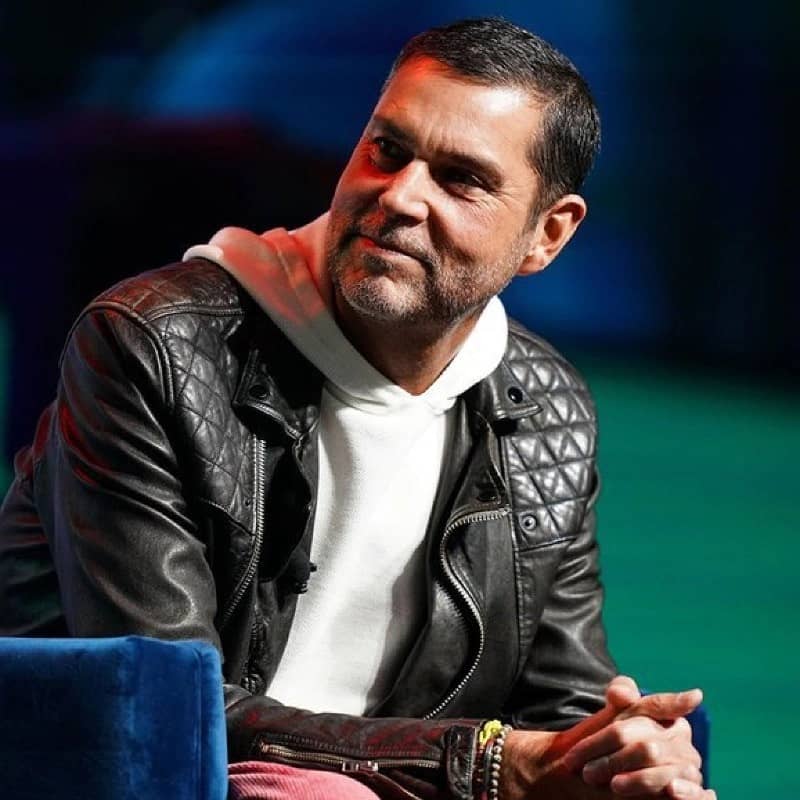
Raoul Pal is a person who co-founded and leads financial media, research, and asset-management businesses and publishes macro research and commentary.
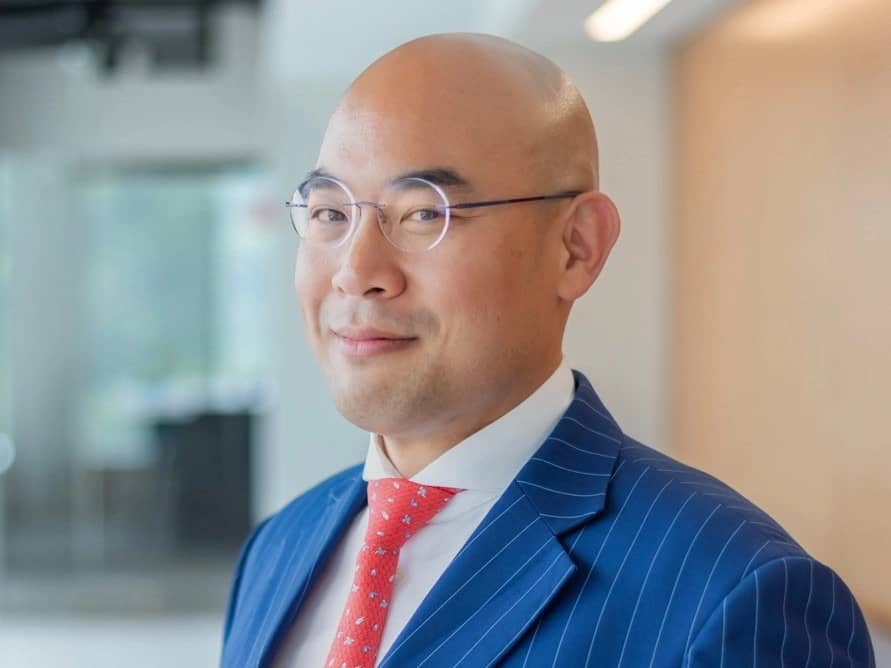
Victor Jung is a person that leads digital asset strategy and technology initiatives as Managing Director and Head of Digital Assets at Hamilton Lane.
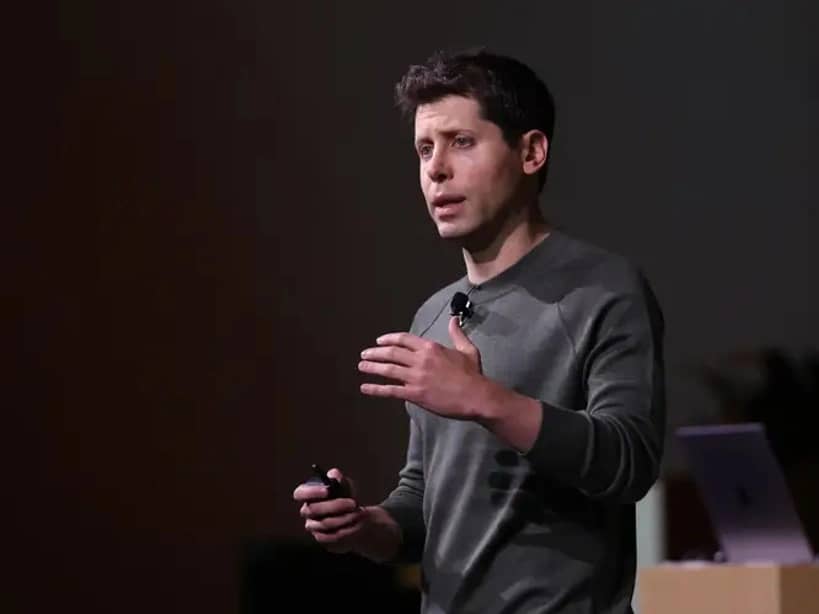
萨姆·奥特曼(Sam Altman)是一位美国企业家和程序员,以担任 OpenAI 首席执行官、Loopt 和 Worldcoin 联合创始人以及 Y Combinator 前总裁而闻名。

Stephen Annozie Ogbaje 是一位资深的技术产品经理,在项目管理和研究方面拥有丰富经验,目前就职于 BrainDAO。

Luana Lopes Lara 是一位巴西企业家,也是预测市场平台 Kalshi 的联合创始人。2025 年 12 月,她成为全球最年轻的女性白手起家...
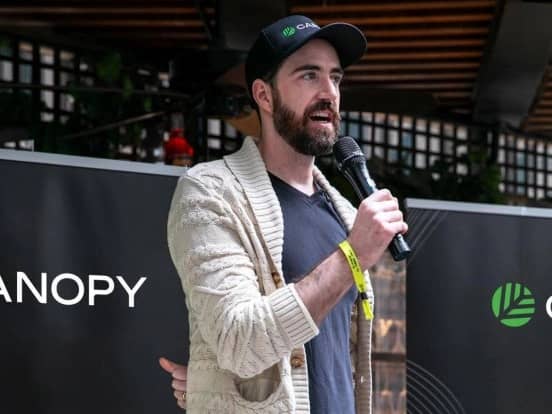
Adam Liposky 是一位企业家、投资者和 Web3 基础设施高管,他是 Canopy 的联合创始人兼首席执行官,同时也是专注于区块链基础设施和开发者工具的 Web3 创业者、顾问和投资者。

Ajayi Feyikemi Mabel 是 IQ.wiki 的首席产品设计师,专注于区块链产品的包容性设计。凭借生物化学背景,她强调研究驱动的方法,并致力于通过 AI 集成和前端工程来提升 Web3 产品的可用性。
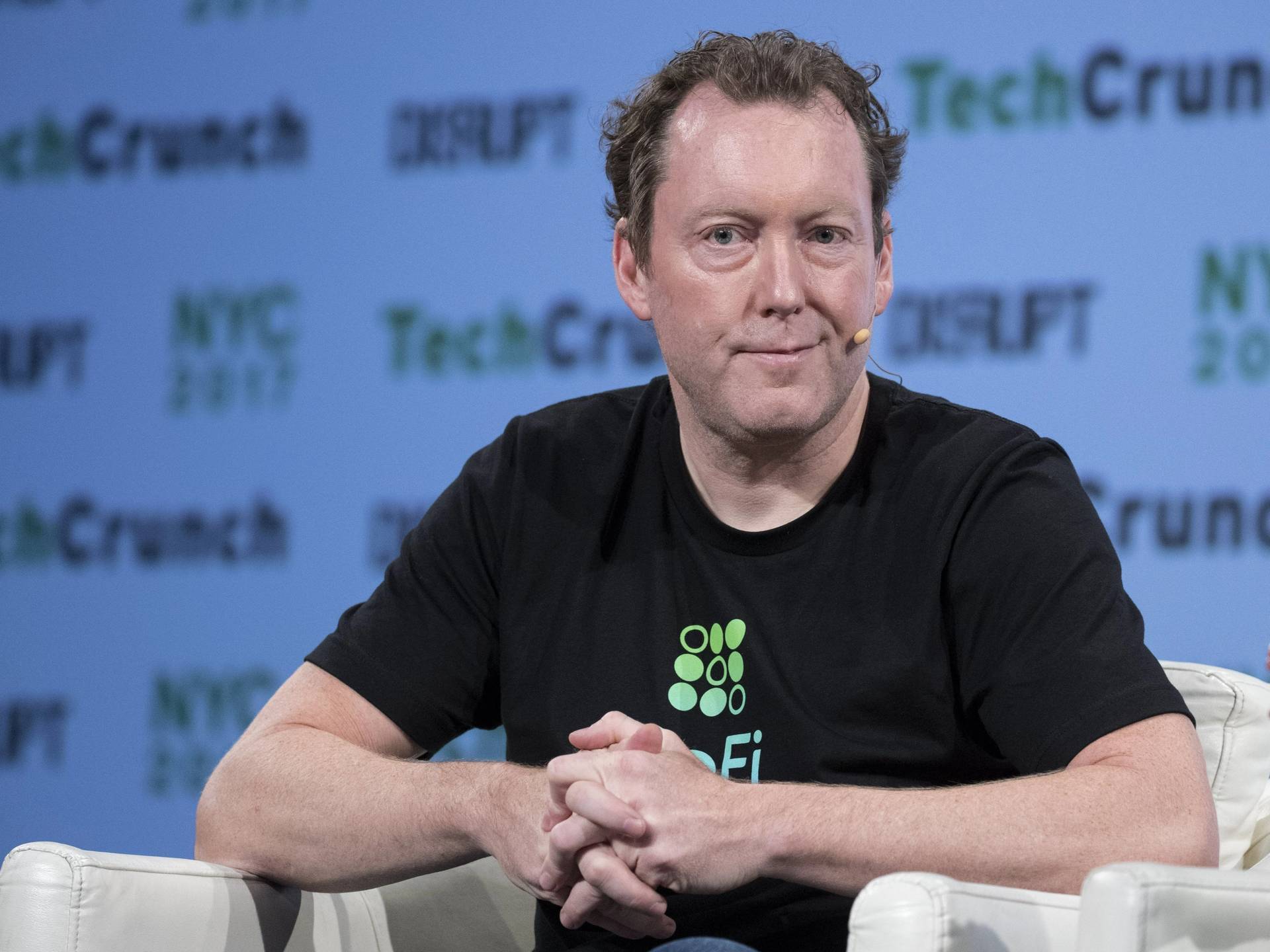
Mike Cagney 是一位金融科技企业家,以联合创立 SoFi、Figure Technology Solutions 和 Provenance 区块链而闻名。截至 2026 年,他担任 Figure 的执行主席,并兼任 The Wallet Co. 的联合创始人及首席执行官。

OKPay 是一款基于 Telegram 的数字钱包和支付服务,支持主流加密货币和类法币支付,通过 Telegram 机器人提供跨境转账、手机充值、账单支付及旅游相关服务。
Saffron Finance 是一个去中心化金融(DeFi)协议,它将链上资产代币化,并通过其供应量受限的 SFI 治理和实用代币,在多个链上提供分层风险、固定收益保险库和质押产品。
Noma Network 是一个项目与协议,提供分层金融操作系统,为 AI 智能体和自主经济身份 (AEI) 提供支付、结算、流动性和信贷服务。

Sunrise 是一个项目兼协议,通过协调规范资产创建、流动性供应和生态系统分发,将任何链上的资产引入 Solana,从而使资产在上线首日即可拥有可交易的市场。
HashCow 是一个为 BNB Chain 上的 GameFi 提供公平层的项目与协议,提供链上 RNG/VRF 引擎 (VegasLedger)、固定的 BEP-20 代币供应量 (2亿 HCOW),以及针对游戏生态系统的收入共享/销毁模型。
Decimal 是一个面向项目和协议的区块链,提供基于 Cosmos-SDK 的 Layer-1 网络(原生代币为 DEL)以及用于创建自定义代币、dApp、跨链交换和 DeFi 服务的工具。
Almanak 是一个 AI 驱动的 DeFi 策略框架,利用 SDK、基于代理的基础设施和基于 Safe 的非托管智能账户,帮助用户在多个 EVM 链上设计、测试和部署自动化交易及收益策略。
DAWN Internet 是一个去中心化宽带网络和现实世界资产协议,通过将链上资本与物理连接和计算部署相结合,为人工智能实现数字基础设施的代币化。

Hipo Finance 是 TON 网络上的一个开源流动性质押协议,允许用户质押 GRAM 以换取流动性质押代币 hGRAM,并通过 HPO 参与治理和利润分享。
PolyFlow 是一个项目与协议,提供去中心化支付基础设施 (PayFi),将加密支付、DeFi 和链上身份连接起来,以实现无托管、保护隐私的结算和消费者支付服务。
Merlin Chain 是一个使用 Polygon CDK 构建的比特币侧链,旨在转型为 ZK-rollup Layer 2,并通过 ZK-rollups、去中心化预言机、欺诈证明和 MERL 治理代币支持比特币原生资产。

Verona 是一个为人工智能提供智能层的项目和协议,它使经过用户验证的事实能够被私密地验证一次,并由智能体和应用程序重复使用,同时用于可编程的结算和支付。
Ensemble 项目是香港金融管理局(HKMA)发起的一项倡议,旨在通过沙盒和“Ensemble TX”试点测试批发型代币化存款和真实价值交易,从而构建资产代币化和互操作性数字货币的基础设施。
Uniswap 基金会是一家位于特拉华州的非营利组织,致力于支持 DeFi 的增长、创新和可持续性,其资金由 Uniswap 社区通过治理提案提供。
SoFi 是一家总部位于美国的数字金融公司和数字银行,提供贷款、投资和银行业务。2025 年 11 月,该公司重新推出了其集成的加密货币交易服务。

Bifrost Network 是一个基于 Substrate 的区块链,旨在实现跨链通信和去中心化应用。它具有 EVM 兼容性、统一代币系统以及由社区驱动的治理模型。
Remilia Corporation 是一个去中心化自治组织 (DAO) 和数字艺术团体,以创建 Milady Maker NFT 系列而闻名。

OpenHelix 是一个 Web3 启动平台,允许创始人创建代币、添加流动性、进行链上筹款、管理归属/国库,并在 BNB Chain、Solana 及其他链上部署项目工具。
Blockstream 成立于 2014 年,是比特币和区块链技术的全球领导者,提供基础设施、产品(如 Jade 钱包)和服务(如 Liquid Network),旨在构建稳健的金融体系。
O.XYZ 是一个去中心化人工智能生态系统,致力于开发全球首个主权超级智能(Sovereign Super Intelligence),旨在通过社区所有权赋能个人。

REI Network 是一个专注于人工智能的平台,拥有创新的架构和生态系统,其特色包括领结式架构(Bowtie Architecture)和推理集群(Reasoning Cluster)。
Covalent 是一个去中心化数据基础设施,使用户能够无缝访问难以获取的区块链数据。它是一家区块链数据提供商,对包括钱包余额、NFT、DeFi 数据在内的完整区块链历史进行索引,并以标准化的方式转换这些数据。

USDD 是一种去中心化、超额抵押的美元锚定稳定币。它于 2022 年作为 TRON 上的算法设计诞生,并于 2025 年升级为 USDD 2.0,成为一种基于金库、具有锚定稳定性模块(PSM)和链上治理的多链稳定币。
Tether Gold (XAUt) 是由 TG Commodities 根据萨尔瓦多《数字资产发行法》发行的黄金代币化稳定币,由存储在瑞士金库的伦敦金银市场协会(LGD)标准黄金提供 1:1 支持,占据了黄金支持稳定币市场的大部分份额。
Ondo US Dollar Yield (USDY) 是一种无需许可、带息的代币化票据,由短期美国国债、国债 ETF 和银行存款支持,为符合条件的非美国投资者提供具有美元计价收益的类稳定币功能。

PAX Gold (PAXG) 是由 Paxos 发行的代币化黄金资产,每个代币代表一金衡盎司储存在 LBMA 认证金库中的伦敦金银市场协会(London Good Delivery)黄金,并可在美国联邦监管下以 1:1 比例兑换实物黄金。
Ethena USDe 是由 Ethena Labs 开发的一种 1:1 抵押链上稳定币,通过 ETH 质押收益和永续合约驱动,旨在解决稳定币三难困境。
FTX Token (FTT) 是已破产的 FTX 平台的旧版交易所代币;其手续费折扣、抵押用途、质押奖励和代币销毁等功能已随着 FTX 的关闭而终止。
IQ 代币是用于去中心化金融的加密货币,通过代理代币化平台(ATP)支持自主代币化代理。它由 BrainDAO 管理,支持 IQ.wiki 并可在多个区块链上使用。

Lonely Alien Space Club 是以太坊区块链上由 10,001 个独特 ERC-721 代币组成的系列,持有者可获得会员资格并参与 Space Club 生态系统。

Milady Maker 是由 Remilia Collective 于 2021 年在以太坊上创建的 10,000 个新奇比(neochibi)风格的 NFT 头像系列,它是包含配套 NFT、社交体验和代币的更广泛生态系统的核心。
LAPTOP 是由 Hunter Biden 在 Base 网络上推出的一种加密资产代币(模因币),总供应量为 1,000,000,000 枚,并计划了空投和分配。
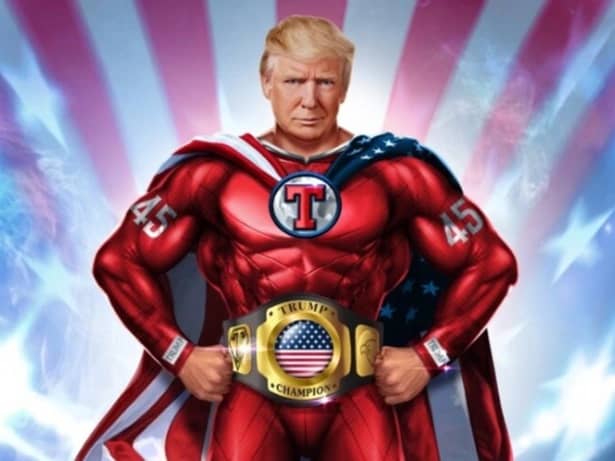
特朗普数字交易卡(Trump Digital Trading Cards)是基于 Polygon 区块链的 NFT 系列,展示了唐纳德·J·特朗普的风格化图像。该系列于 2022 年推出,随后通过后续系列进行了扩展,提供抽奖式福利,其二级市场表现具有波动性。
Open Campus (EDU) 是一种加密资产代币,作为 Open Campus 协议和 EDU Chain 的原生 Gas 和治理代币,用于项目生态系统内的实用功能和治理。
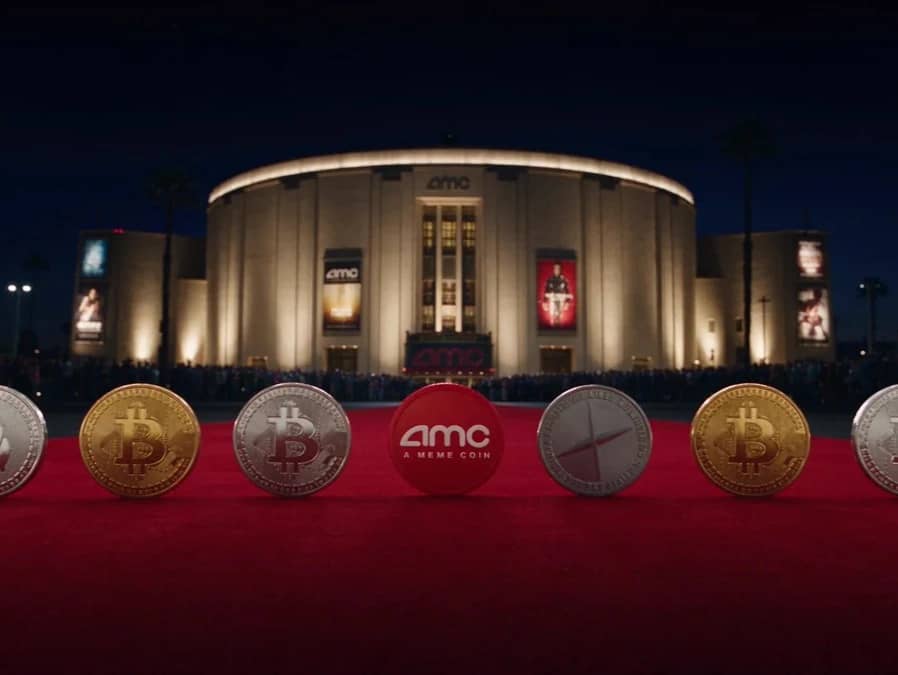
A Meme Coin 是 Robinhood Chain 上的一种以社区为导向的模因币(memecoin),它与代币化的 AMC 挂钩,并围绕将 AMC 代币化与模因文化联系起来的叙事而构建。
Collect (COLLECT) 是一种加密资产代币,作为 Collect 基金会的链上货币,用于购买、交易、质押以及支持现实世界资产 (RWA) 收藏品和相关的平台机制。

Basecat 是一种由社区驱动的加密资产,是在 Base 网络上发行的模因币(memecoin),作为一种文化/社交代币在中心化和去中心化交易所进行交易。
VeThor (VTHO) 是一种加密资产代币,作为 VeChainThor 区块链的 Gas/实用代币,用于支付交易和智能合约费用,并奖励验证者和委托者;其供应量动态发行并部分销毁。

Wen 是一款于 2024 年推出的模因币(memecoin),基于碎片化 NFT 概念并在 Solana 区块链上构建,旨在促进创新并提高 Web3 技术的知名度。
MYX Finance 是一个用于链上永续合约交易的非托管衍生品协议,采用匹配池机制(Matching Pool Mechanism)和链抽象技术。随着 MYX V2 的推出,它已转型为用于杠杆衍生品的模块化全链结算层。
NewSight(前身为 VIZO)是一个 AI 原生、专注于亚洲市场的预测市场平台。它通过类似 TikTok 的信息流将新闻头条转化为可交易的结果,强调高频交互和无缝的市场分发集成。
CoinEx 加密货币交易所成立于 2017 年。2026 年 9 月,CoinEx 宣布将停止交易所运营,理由是市场长期疲软、交易量和流动性减少,以及监管和合规成本上升。
Hotcoin 是一家成立于 2017 年的中心化加密货币交易所,总部位于澳大利亚悉尼,提供现货、杠杆和期货市场、跟单交易、TradFi 产品、赚币产品以及自托管 Web3 钱包。

World 是一个建立在 Solana 上的全链预测市场,利用 Chainlink 作为其市场数据的主要预言机。它允许用户在 Phantom 钱包内交易事件合约。
稳定币峰会(Stablecoin Summit)是一个汇集政府、金融机构、金融科技和区块链领袖的会议,旨在讨论稳定币的采用、跨境支付、基础设施、监管以及现实世界的应用案例。
香港 Web3 嘉年华(Hong Kong Web3 Festival)是亚洲首屈一指的年度 Web3 和加密货币盛会,旨在促进全球合作并探讨数字创新。
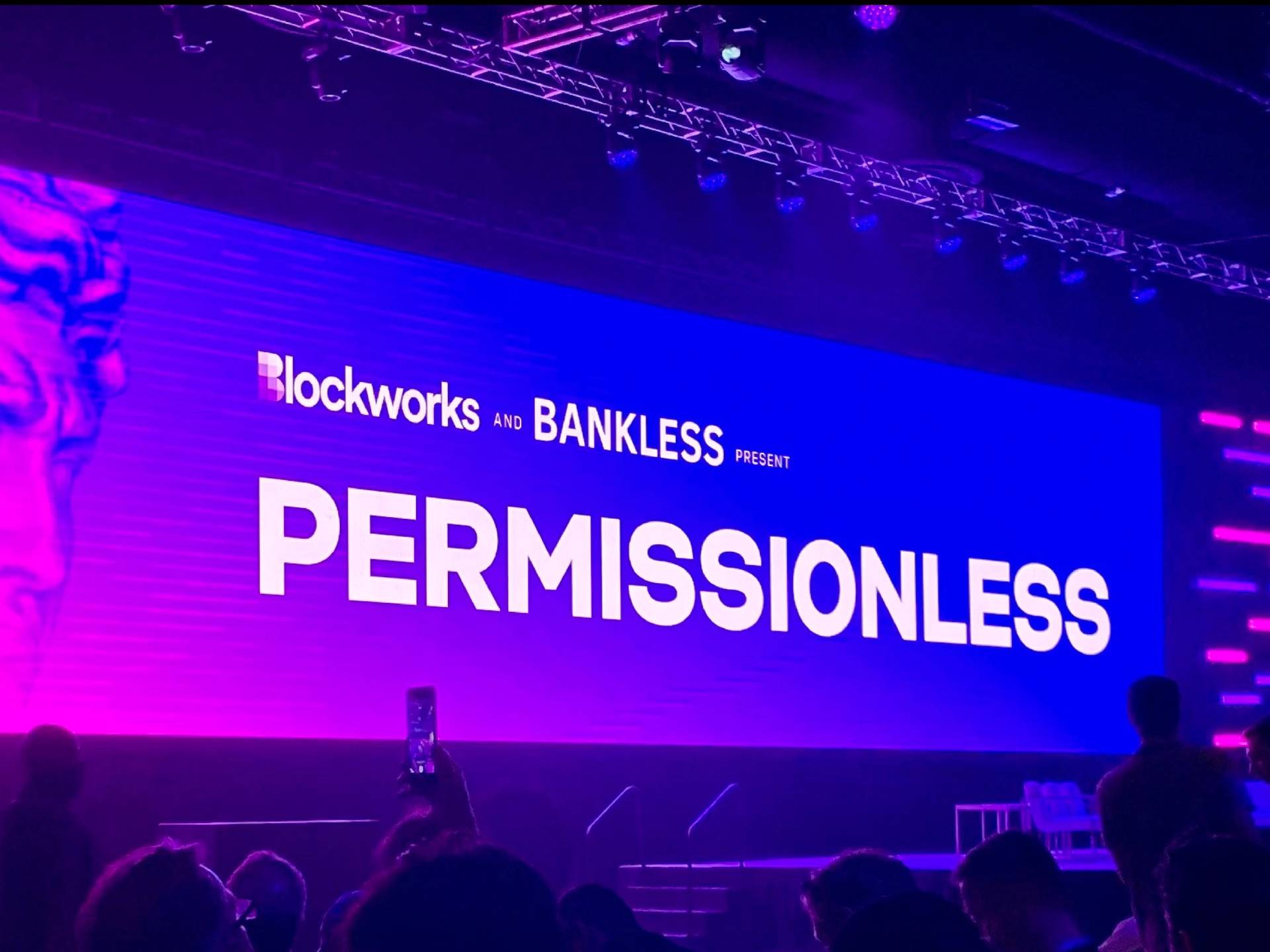
Permissionless 是由 Bankless 和 Blockworks 举办的一场重大的 DeFi 盛会,汇集了加密行业的领军人物,计划于 2024 年 10 月 9 日至 11 日举行。

Upton Finance 是一个基于 TON 区块链的 CeDeFi 平台,在 Telegram 生态系统中为质押的 USDT 和 TON 提供 15% 的年化收益率(APY)。

Elroy Cheo(石正祥)是一位新加坡企业家,也是会员制 Web3 社群 ARC Community 的联合创始人。他的职业生涯横跨大宗商品交易、大型房地产开发和区块链技术,专注于社群建设和价值创造。
ARC Community 是一个面向全球亚裔群体的私人会员制网络。它利用 NFT 作为会员凭证,并以“社交创投工作室”模式运营,旨在促进集体项目和风险投资的协作。该社区总部位于新加坡。
Crypto Expo Europe 是在布加勒斯特举行的年度会议,专注于区块链和加密货币,汇集了行业领袖共同探讨创新、监管及市场趋势。
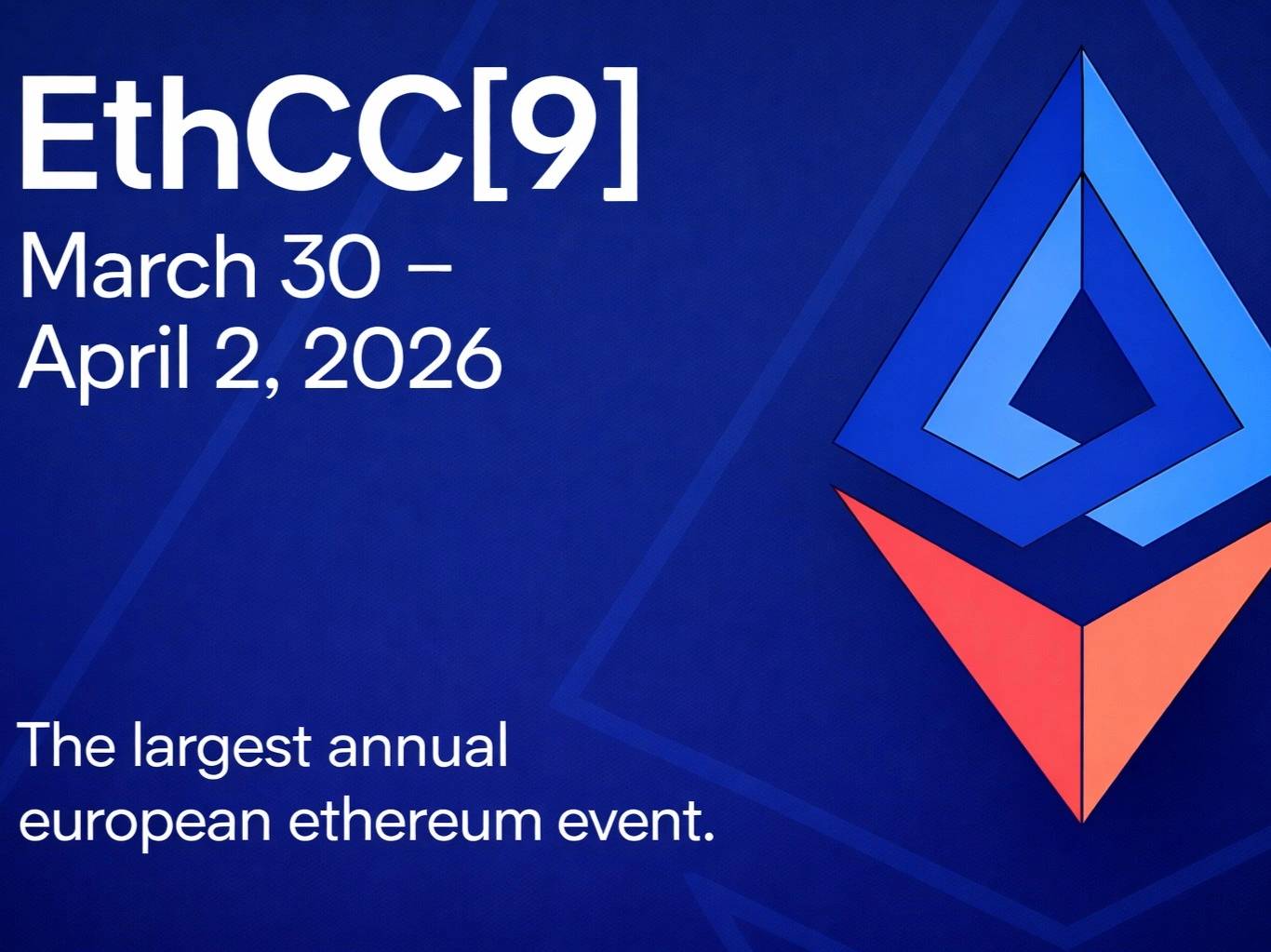
以太坊社区会议 (EthCC) 是由 Ethereum France 主办的年度欧洲以太坊盛会,为期四天,专注于技术和社区。
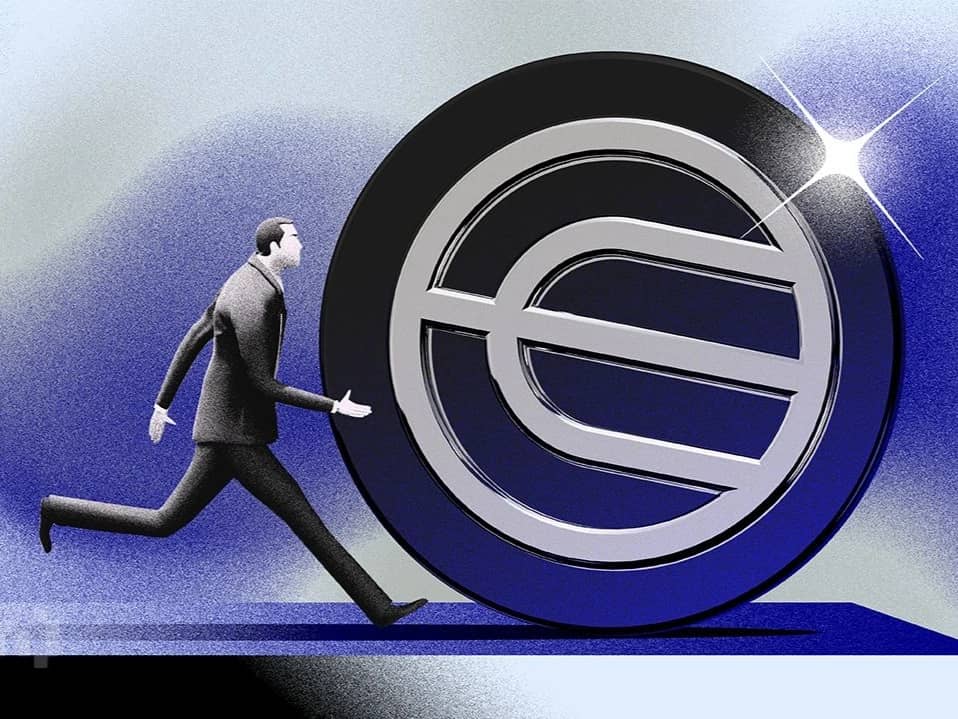
World Network (WLD) 是一个加密货币项目,由 OpenAI 首席执行官 Sam Altman 发起,通过基于虹膜的验证过程提供独特的数字身份。
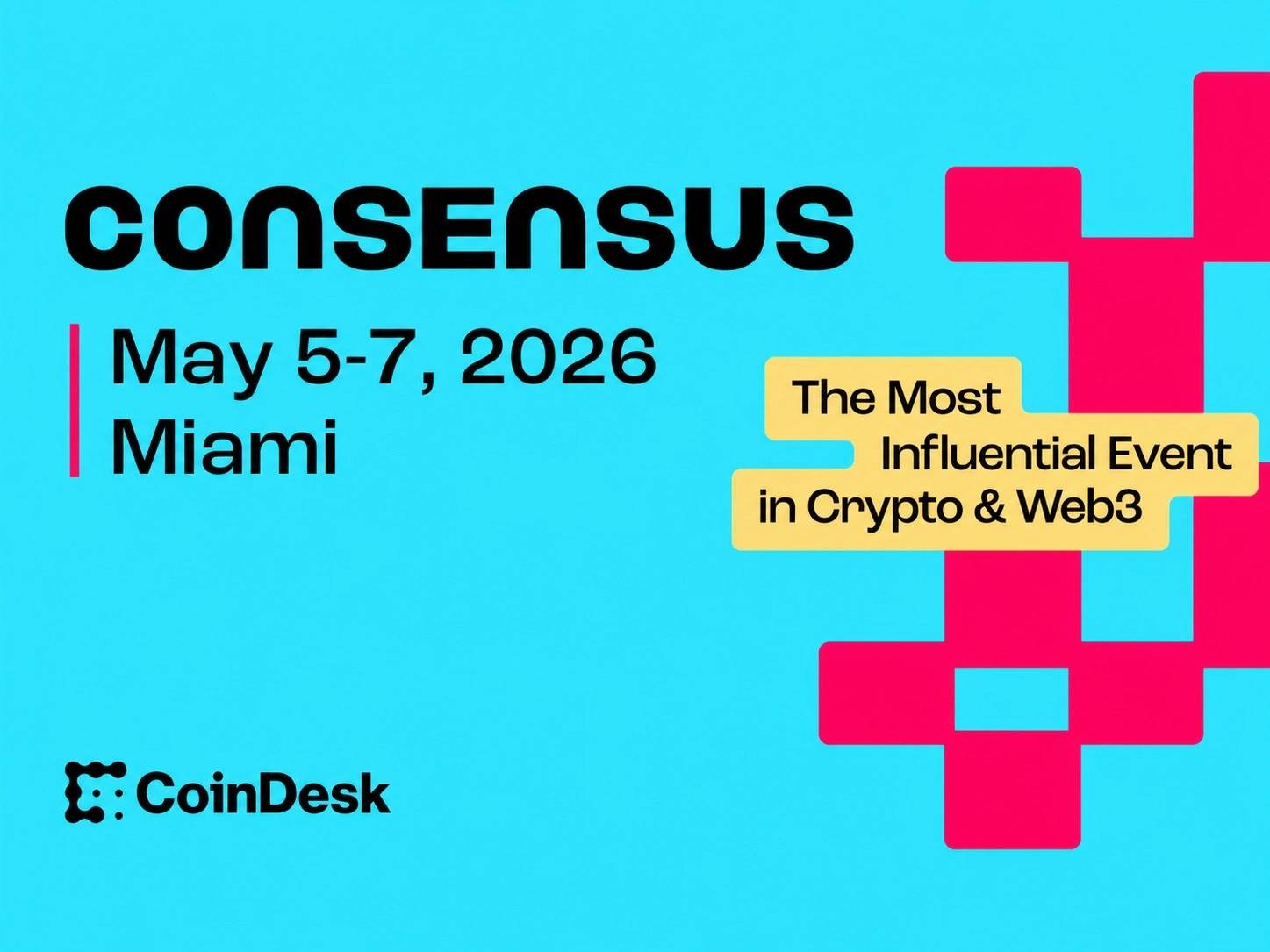
Consensus Miami 2026 是由 CoinDesk 主办的 2026 年度加密货币、区块链和 Web3 全球会议,在迈阿密海滩会议中心举行。

Santa Browser 是一款基于 Chromium 的网络浏览器,旨在将隐私保护与奖励机制以及 Web3 广告/联盟层相结合。它目前提供桌面版和 Android 版...

Choice Markets 是一个专为 X (Twitter) 打造的 AI 驱动、社交原生的预测市场平台。它利用混合流动性引擎和 AI 辅助工作流,将社交讨论转化为可交易的市场,旨在实现从对话到交易执行的无缝衔接。
Together.fun (TOFU) 是一个基于 Solana 的游戏化社交交易平台,旨在将社区驱动的代币发现与游戏化执行相结合。其特点包括...
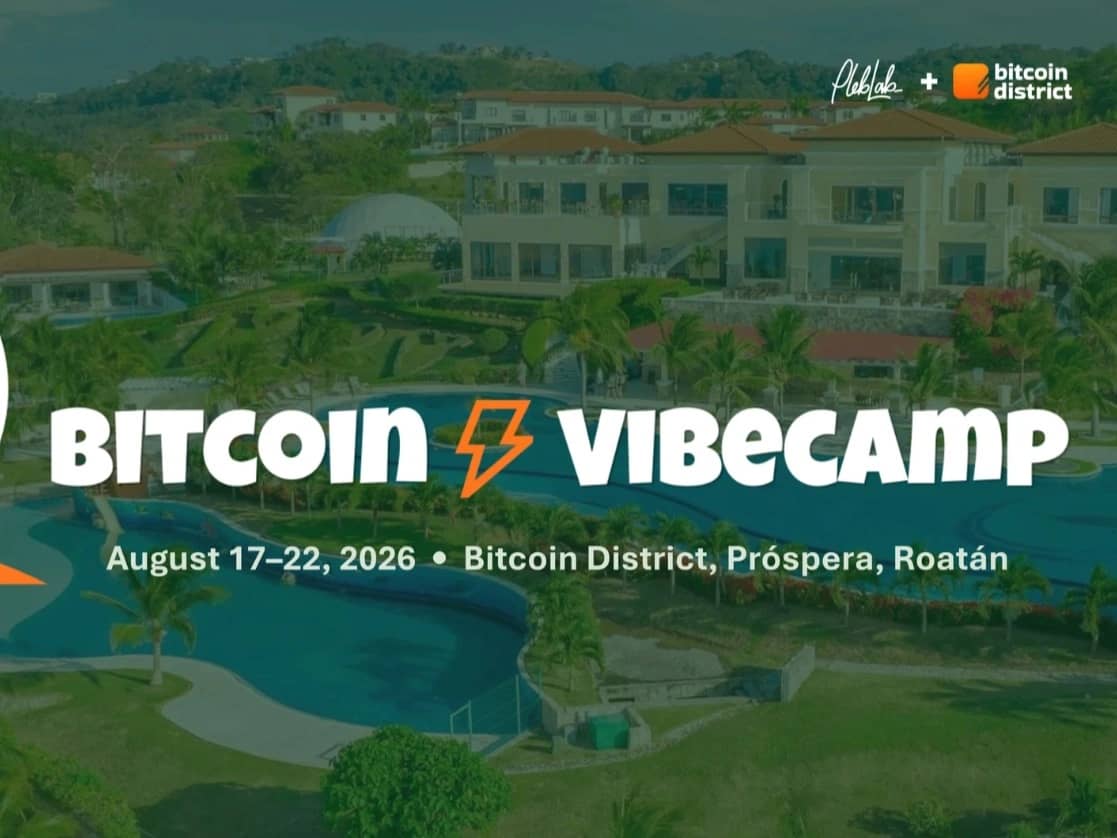
Bitcoin Vibecamp 是由 PlebLab 和 The Bitcoin District 联合举办的以开发者为中心的比特币黑客松和开发者静修活动,地点位于 Próspera 的比特币区。活动内容包括协同办公、初创公司演示、0.12 BTC 的奖金评选以及社区社交活动。
闪电网络(Lightning Network)是比特币的二层解决方案,通过链下支付通道实现快速、低成本的交易,从而增强了区块链的可扩展性。
GoMining 是一个通过代币化 NFT 进行比特币挖矿的平台。该生态系统于 2021 年推出,包含 GOMINING 代币、虚拟 Visa 卡、钱包以及 Mi...
"Anon" is crypto and internet slang for a pseudonymous or anonymous participant in blockchain and Web3 ecosystems, rooted in earlier online and hacktivist cultures.
The CLARITY Act is a proposed U.S. bill that would create a federal market-structure framework for digital assets, dividing oversight between the SEC and CFTC and setting rules for exchanges, custody and disclosures.
Trustless is a glossary term that describes systems where rules are enforced by code and decentralized consensus rather than by an institution, custodian, or counterparty.
Innovation Exemption is a regulatory exemption that allows limited, conditional trading of tokenized NMS stocks on permissioned on‑chain venues to enable observation, data collection, and to inform future SEC rulemaking.
A crypto-backed mortgage is a home loan that allows homebuyers to use their cryptocurrency holdings as collateral for a down payment, enabling them to secure a mortgage without selling their assets and avoiding capital gains taxes.
Non-USD stablecoins are cryptocurrencies pegged to fiat currencies other than the US dollar, such as the Euro or Yen. They aim to reduce USD exchange rate volatility for regional users, enabling on-chain FX, cheaper remittances, and local payments.
Public Key is a glossary term that denotes a cryptographic value derived from a private key used to verify digital signatures and to derive blockchain addresses for receiving cryptocurrency and NFTs.
Immutability describes the property whereby data recorded on a blockchain or ledger cannot be altered or deleted after it has been confirmed, providing tamper-evident, append-only...
Whale accumulation is a glossary term that describes a pattern in which large cryptocurrency holders appear to be increasing their on-chain balances of an asset, providing context about supply concentration, exchange flows, and market participation.
Permissionless blockchain is a glossary term that describes a blockchain protocol accessible to anyone without gatekeepers or prior permission.
Self custody is a glossary term that means an individual controls their private keys and directly manages their cryptocurrency assets without relying on third‑party custodians.
On-chain data is information recorded directly on a blockchain — transactions, blocks, smart contract interactions, token transfers, and wallet balances — that the network validates and stores as a public, immutable ledger distinct from off-chain data.
Altseason is a glossary term that denotes a period when alternative cryptocurrencies (altcoins) significantly outperform Bitcoin, typically driven by capital rotation from BTC into altcoins and a decline in Bitcoin dominance.
Real World Assets (RWAs) are blockchain-based tokens representing traditional financial or tangible assets like real estate, bonds or carbon credits.
Synthetic assets, also known as crypto synths, are essentially tokenized derivatives. In traditional finance, derivative value is derived from an underlying ass...
Block Explorer is a search engine tool used for viewing and analyzing data associated with blocks, addresses, and transactions on a specific blockchain network.
A multi-signature wallet (multisig) is a cryptocurrency wallet requiring multiple signatures for each transaction, enhancing security by using multiple private ...
Candlesticks are charting tools used in crypto trading to visualize price movements, aiding in market analysis and trend prediction.
Digital Asset Basic Act is a glossary that describes a proposed South Korean framework law to define and regulate digital assets, exchanges, stablecoins, ICOs, issuance/disclosure rules, and market-conduct standards.
The Metaverse is an interconnected, immersive 3D virtual realm, merging the virtual and physical worlds, and allowing interaction, collaboration and exploration in real-time, often using blockchain, NFTs, and tokens to own and trade assets.
A 51% attack is a potential threat to blockchains, where a group controls over 50% of network hash power, theoretically allowing blockchain modification.
AI Coins are a type of cryptocurrency that blend blockchain technology with artificial intelligence, powering projects that advance or integrate AI solutions.
The Annual Percentage Rate (APR) is a yearly rate indicating the total cost of an investment, including interest and fees, expressed as a percentage.
Annual Percentage Yield (APY) is the compounded yearly return on an investment, often used in cryptocurrency and DeFi, yielding profits higher than APR.
SPL-20, abbreviated for Solana Program Library-20, stands as a standardized token format within the Solana blockchain ecosystem.
A bear market refers to a period when cryptocurrency prices are falling or expected to fall, often driven by investor pessimism and over-supply.
BEP-2 is a technical standard for the issuance and implementation of tokens on the Binance chain, defining rules for functioning in the BNB Chain ecosystem.
BEP-95 is a Binance Evolution Proposal that introduces a real-time burning mechanism of gas fees on BNB Chain to boost Tokenomics and decentralization.
BRC-20 is a Bitcoin-based token standard for Ordinals, enabling the creation, minting, and transfer of fungible tokens similar to Ethereum's ERC-20.
A bull market is a period of continuously rising asset prices, typically driven by a strong economy, high employment, and positive investor sentiment.
Decentralized Finance (DeFi) refers to a financial system using blockchain and smart contracts to offer transparent services without central authorities.
Delegated Proof of Stake (DPoS) is a consensus mechanism where network users elect delegates to validate blockchain transactions and establish protocol rules.
A derivative in cryptocurrency is a financial tool that derives its value from an underlying asset, allowing traders to capitalise on market trends.
ERC-223 is an Ethereum-based token standard, an upgrade of ERC-20, allowing secure token transfers into digital wallets and solving the ERC-20 bug.
ERC-4626 is a standard protocol for tokenized vaults on the Ethereum blockchain, aimed at unifying technical parameters and facilitating interoperability.
A liquidity pool, is a pool of tokens that are locked in a smart contract.
SOPHIA 发布或更新的每一个维基,都会实时在 Polygon 链上签名。
关于 Yanis Berkani 的新维基页面已创建。
Yanis Berkani is a person who is a cybersecurity engineer and blockchain developer who co-founded Alphix and works on DeFi protocol engineering.
关于 Fables 的新维基页面已创建。
Fables is a projects-and-protocols that operates a hook-native ve(3,3) decentralized exchange on Uniswap v4, providing market-specific dynamic fees, non-custodial concentrated liquidity and a points/rewards programme.
关于 Rachel Lin 的维基页面已更新。
Rachel Lin is a person that co-founded and serves as CEO of SynFutures, a decentralized derivatives trading platform, and has held senior roles at Matrixport, Bitmain and Deutsche Bank.
关于 SynFutures 的维基页面已更新。
SynFutures is a decentralized platform for permissionless trading of cryptocurrency derivatives, offering enhanced user interface and innovative liquidity solutions.
关于 SynFutures 的维基页面已更新。
SynFutures is a decentralized platform for permissionless trading of cryptocurrency derivatives, offering enhanced user interface and innovative liquidity solutions.