Jeff Yan
Jeff Yan은 커스텀 레이어 1 블록체인을 기반으로 구축된 탈중앙화 거래소 Hyperliquid의 공동 창립자이자 대외적인 얼굴입니다.
추천11 mins read
블록체인, 탈중앙화 금융, Web3에 관한 최고의 글 모음을 탐색하세요 - 업계 최고의 전문가와 교육자가 큐레이션하고, 저명한 AI 에디터 SOPHIA가 실시간으로 팩트체크 및 업데이트합니다
IQ 토큰으로 IQ.wiki와 IQ 생태계의 거버넌스에 참여하세요.
시가총액 기준으로 주요 자산을 탐색하세요—각 프로젝트, 창립자, 생태계에 대한 심층 위키 기사가 함께합니다.
모두 보기업계를 이끄는 인물, 프로젝트, 아이디어에 대한 엄선된 인사이트 — Sophia가 매일 큐레이션합니다.
Jeff Yan은 커스텀 레이어 1 블록체인을 기반으로 구축된 탈중앙화 거래소 Hyperliquid의 공동 창립자이자 대외적인 얼굴입니다.
STONK는 StonkFun의 네이티브 솔라나 유틸리티 토큰입니다. StonkFun은 토큰화된 주식(xStocks) 및 주요 알트코인을 기반으로 고정 공급 토큰이 발행되는 런치패드이며, 플랫폼 거래 수수료의 일부는 STONK의 바이백 및 소각에 사용됩니다.

Anatoly Yakovenko는 Solana의 CEO이자 공동 창립자로, 이전에는 Qualcomm에서 시니어 스태프 엔지니어 매니저로 근무했습니다. 그는 VoIP, SIP 및 RTP 프로토콜 스택 분야의 전문가입니다.

CLARITY 법안은 디지털 자산에 대한 연방 시장 구조 프레임워크를 구축하고, SEC와 CFTC 간의 감독 권한을 분할하며, 거래소, 수탁 및 공시에 관한 규칙을 설정하는 미국의 제안된 법안입니다.

드라이든 브라운(Dryden Brown)은 미국의 기업가이자 틸 펠로우(Thiel Fellow)이며, 온라인 커뮤니티와 특구 방식의 거버넌스를 통해 새로운 도시 국가 건설을 목표로 하는 벤처 지원 디지털 국가 프로젝트인 프락시스(Praxis)의 공동 창립자이자 CEO입니다.
아발란체(Avalanche)는 스마트 컨트랙트, 맞춤형 레이어 1 체인 및 서브넷을 위한 레이어 1 지분 증명(PoS) 블록체인 플랫폼입니다.
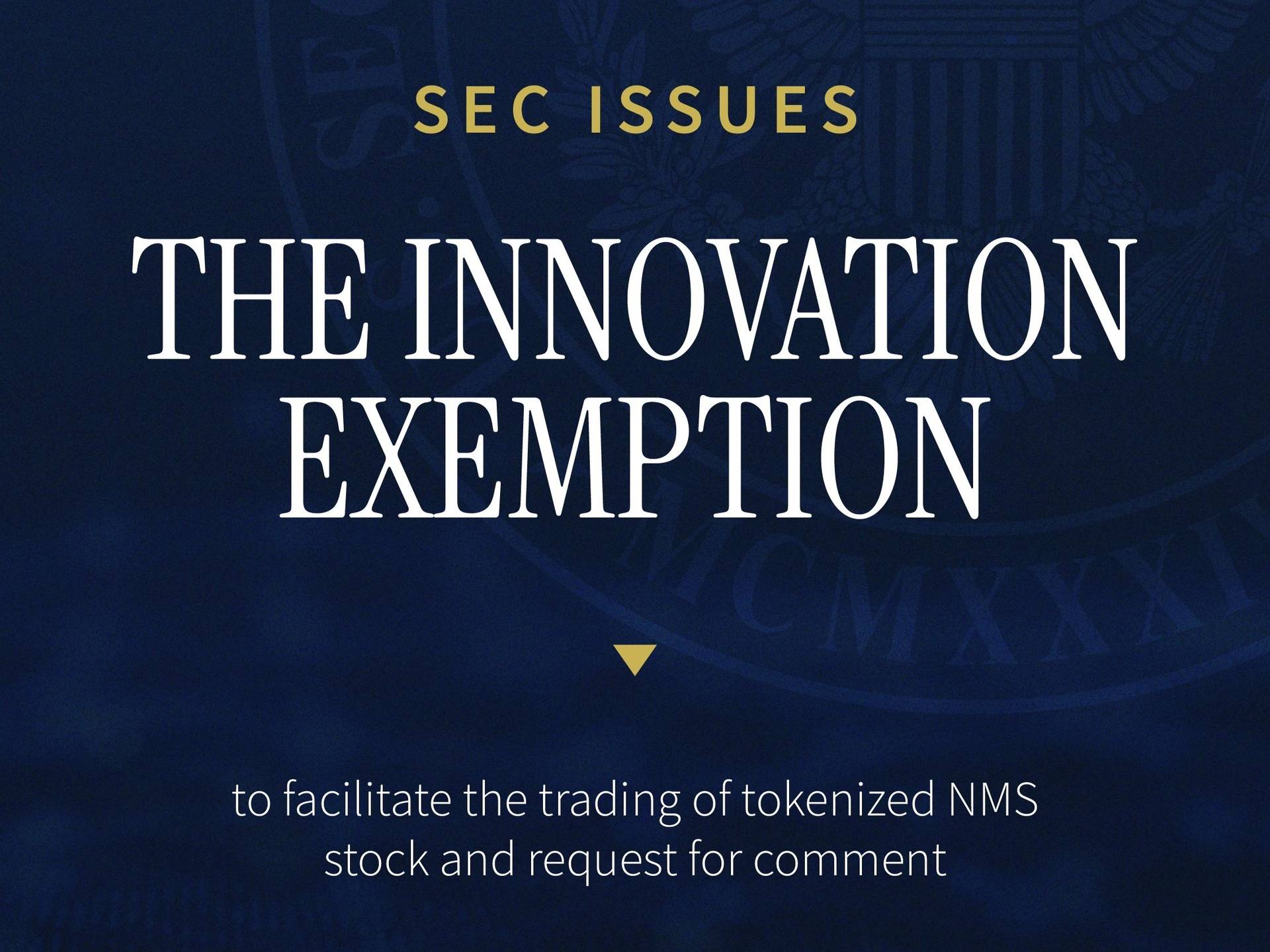
혁신 면제(Innovation Exemption)는 토큰화된 NMS 주식을 허가된 온체인 거래소에서 제한적이고 조건부로 거래할 수 있도록 허용하는 규제 면제 조치로, 관찰, 데이터 수집 및 향후 SEC 규칙 제정에 정보를 제공하는 것을 목적으로 합니다.
Noma Network는 AI 에이전트와 자율 경제 정체성(AEI)을 위해 설계된 결제, 정산, 유동성 및 신용 서비스를 가능하게 하는 계층화된 금융 운영 체제를 제공하는 프로젝트이자 프로토콜입니다.

티보 소티오(Thibault Sottiaux)는 벨기에 출신의 소프트웨어 엔지니어이자 제품 리더로, OpenAI의 Codex를 이끌고 주요 OpenAI 제품들을 총괄하는 것으로 잘 알려져 있습니다. 그는 벨기에 UCLouvain에서 응용과학 학사 및 석사 학위를 받았습니다.

허푸 차이(Hefu Chai)는 로빈후드 크립토의 상장 관련 기밀 정보를 이용해 거래한 혐의로 2026년 상품 사기 및 통신 사기 혐의로 기소된 소프트웨어 엔지니어입니다.
Argus는 Arc 블록체인 기반의 토큰 런칭패드 프로토콜로, 풀 직접 런칭(direct-to-pool), 즉각적인 온체인 거래, 설정 가능한 수수료 및 홀더 보상 메커니즘을 지원합니다.

화이송 시앙(Huaisong Xiang)은 전직 로빈후드 엔지니어이자 금융 전문가로, 2026년 로빈후드 크립토의 기밀 토큰 상장 정보를 이용해 거래한 혐의로 연방 검찰에 의해 기소되었습니다.

그레이시 첸(Gracy Chen)은 세이셸에 본사를 둔 "유니버설 거래소"(UEX)인 비트겟(Bitget)의 CEO이며, 전직 TV 호스트, 스타트업 창업자 및 엔젤 투자자입니다.
Fables는 Robinhood Chain 기반의 비수탁형 탈중앙화 거래소로, Uniswap v4 훅(hooks)과 ve(3,3) 토큰 모델을 결합하여 시장별 동적 스왑 수수료를 제공하는 집중 유동성 시장을 운영하며, $PROLOGUE를 중심으로 한 프리 토큰(pre-token) 단계를 진행 중입니다.
트러스트리스(Trustless)는 기관, 수탁자 또는 거래 상대방이 아닌 코드와 탈중앙화된 합의에 의해 규칙이 집행되는 시스템을 설명하는 용어입니다.
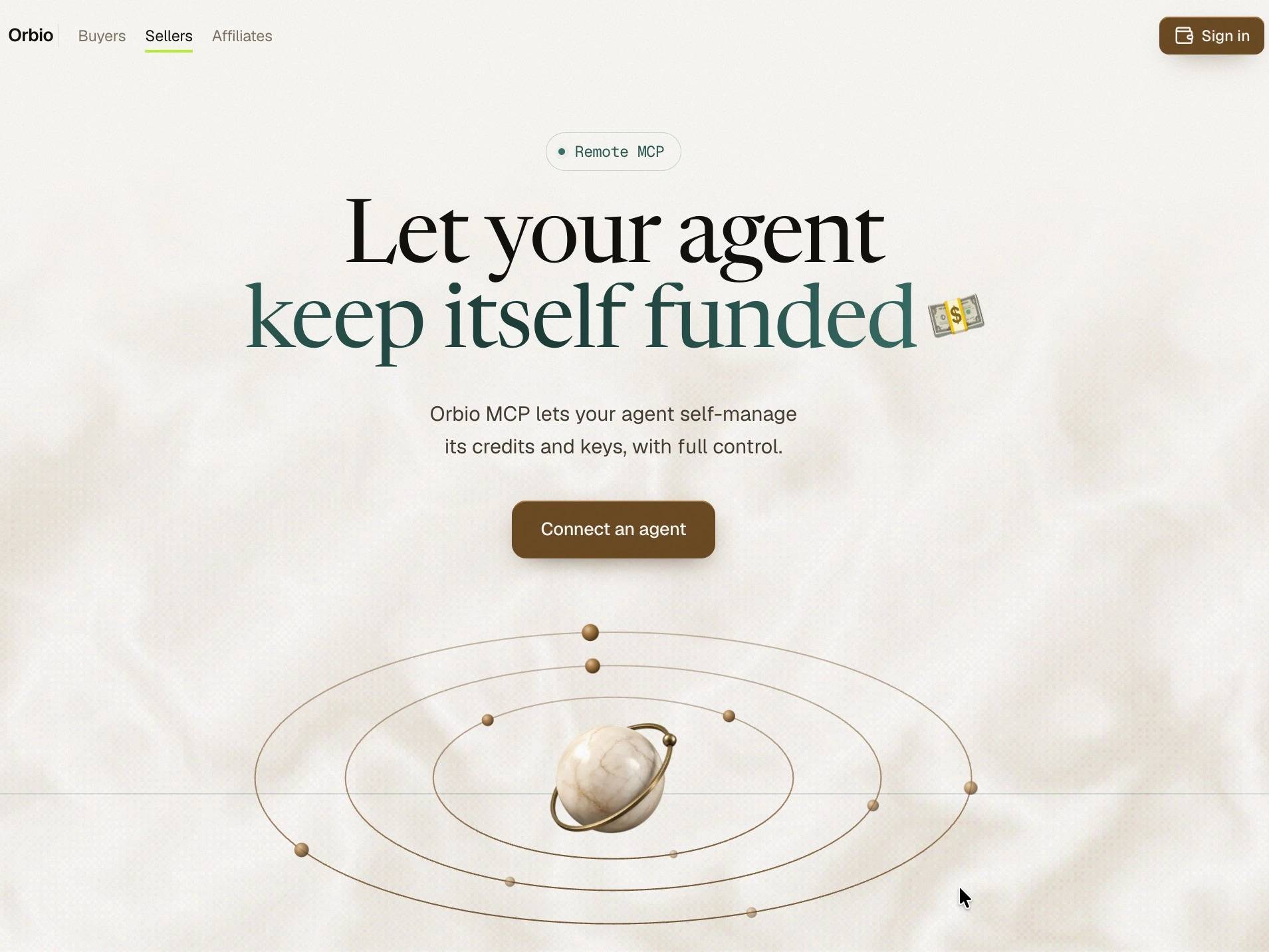
Orbio는 Robinhood Chain 기반의 토큰 기반 마켓플레이스로, $ORBIO 토큰의 거래 수수료를 OpenRouter AI 추론 크레딧으로 전환하여 자격을 갖춘 홀더들이 대규모 언어 모델(LLM)용 API 키를 수동적으로 획득할 수 있게 해줍니다.
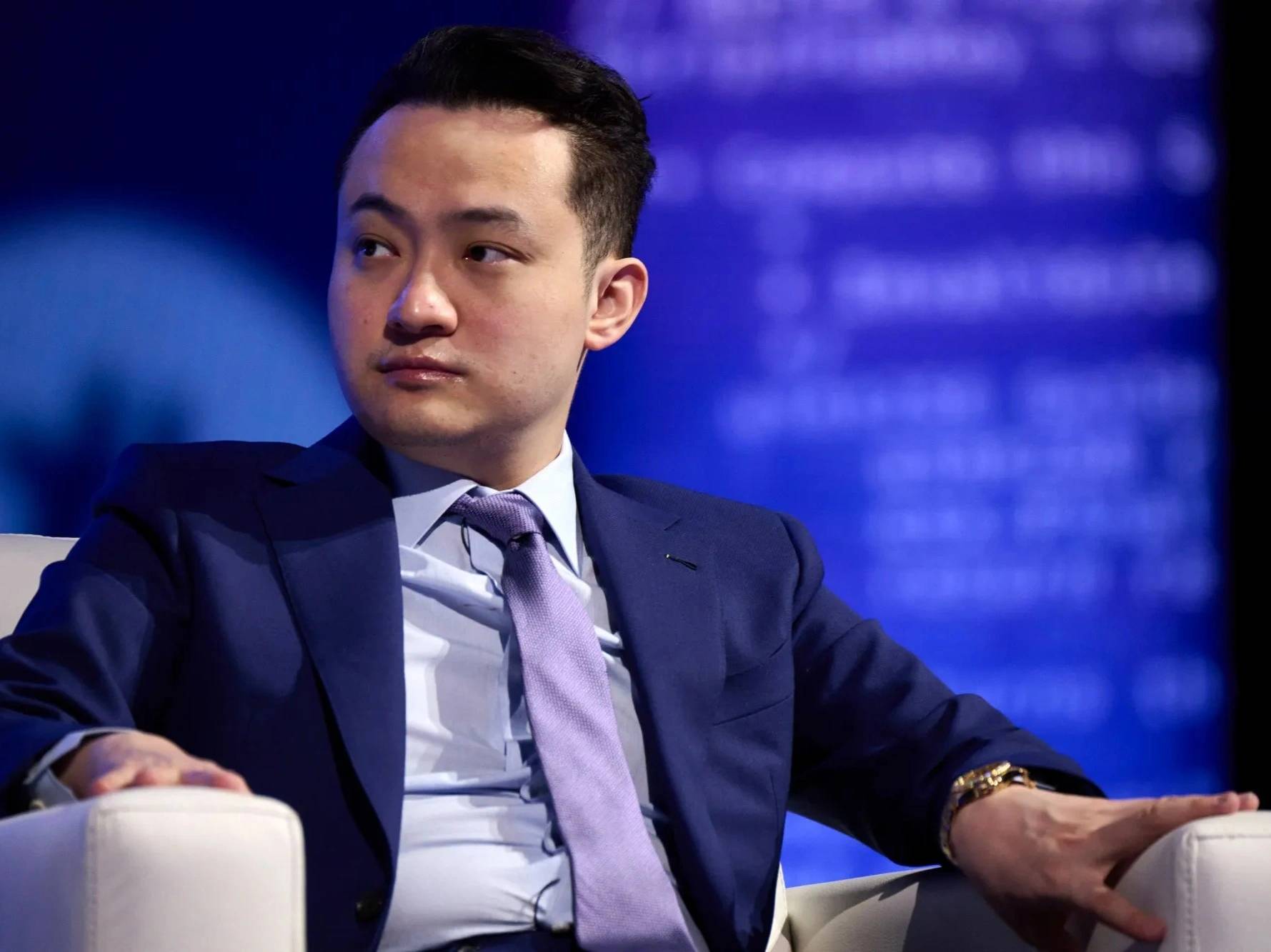
저스틴 선(Justin Sun)은 블록체인 기업가이자 트론(TRON)의 설립자, 리버랜드의 총리, HTX 및 B.AI의 고문이며, 과거 그레나다의 대사 및 WTO 상주 대표로 외교관직을 수행한 바 있습니다.
공개 키(Public Key)는 디지털 서명을 검증하고 암호화폐 및 NFT 수령을 위한 블록체인 주소를 생성하는 데 사용되는, 개인 키에서 파생된 암호화 값을 의미하는 용어입니다.

OKPay는 텔레그램 기반의 디지털 지갑 및 결제 서비스로, 텔레그램 봇을 통해 국경 간 송금, 모바일 충전, 공공요금 결제, 여행 관련 서비스 등 주요 암호화폐 및 법정화폐 방식의 결제를 지원합니다.
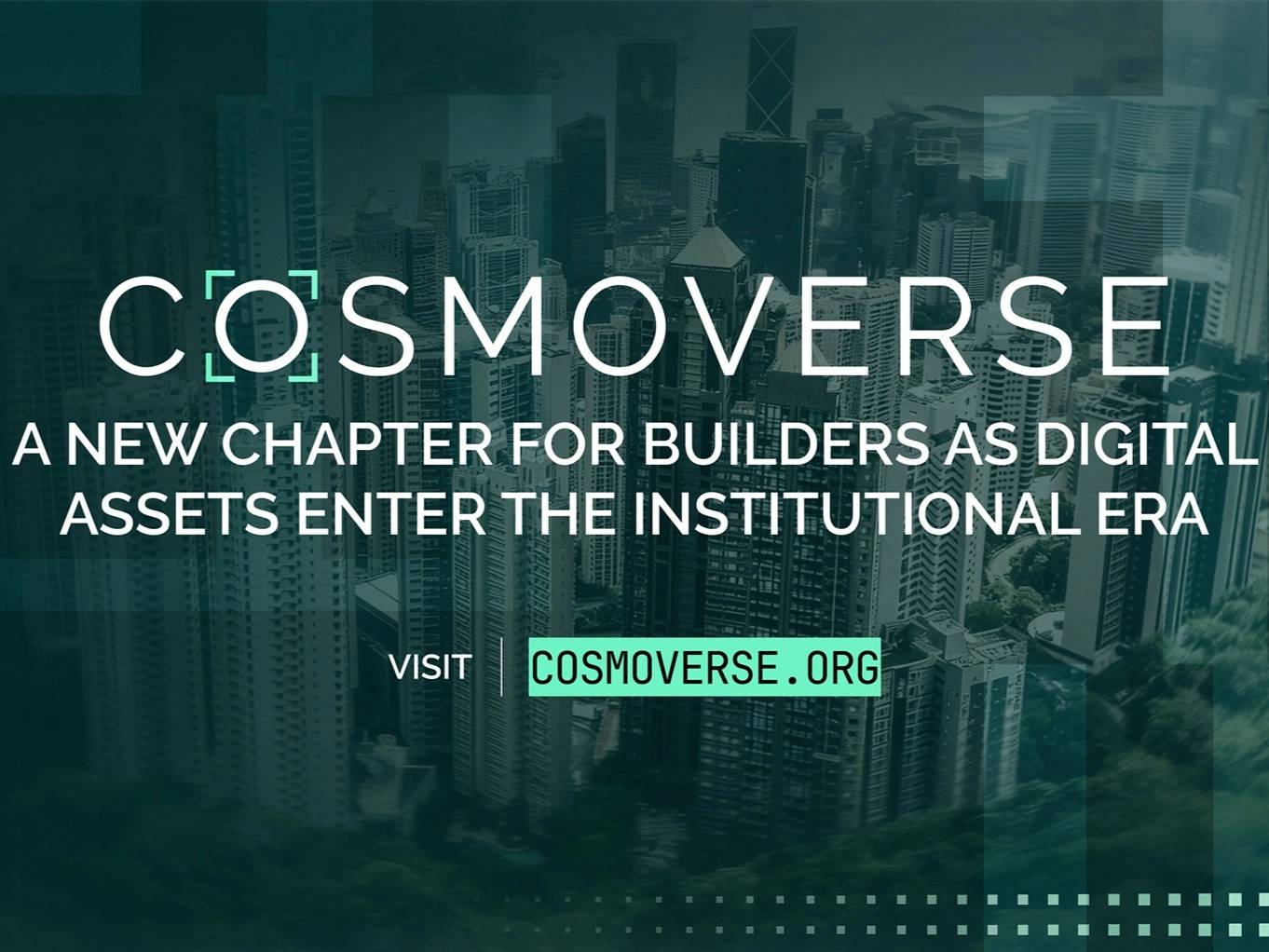
Cosmoverse는 Cosmos 생태계와 상호운용성에 초점을 맞춘 연례 컨퍼런스로, 매년 다른 도시를 순회하며 영향력 있는 연사들과 함께 개최됩니다.
Jeff Yan은 커스텀 레이어 1 블록체인을 기반으로 구축된 탈중앙화 거래소 Hyperliquid의 공동 창립자이자 대외적인 얼굴입니다.
STONK는 StonkFun의 네이티브 솔라나 유틸리티 토큰입니다. StonkFun은 토큰화된 주식(xStocks) 및 주요 알트코인을 기반으로 고정 공급 토큰이 발행되는 런치패드이며, 플랫폼 거래 수수료의 일부는 STONK의 바이백 및 소각에 사용됩니다.
Anatoly Yakovenko는 Solana의 CEO이자 공동 창립자로, 이전에는 Qualcomm에서 시니어 스태프 엔지니어 매니저로 근무했습니다. 그는 VoIP, SIP 및 RTP 프로토콜 스택 분야의 전문가입니다.
CLARITY 법안은 디지털 자산에 대한 연방 시장 구조 프레임워크를 구축하고, SEC와 CFTC 간의 감독 권한을 분할하며, 거래소, 수탁 및 공시에 관한 규칙을 설정하는 미국의 제안된 법안입니다.
드라이든 브라운(Dryden Brown)은 미국의 기업가이자 틸 펠로우(Thiel Fellow)이며, 온라인 커뮤니티와 특구 방식의 거버넌스를 통해 새로운 도시 국가 건설을 목표로 하는 벤처 지원 디지털 국가 프로젝트인 프락시스(Praxis)의 공동 창립자이자 CEO입니다.
아발란체(Avalanche)는 스마트 컨트랙트, 맞춤형 레이어 1 체인 및 서브넷을 위한 레이어 1 지분 증명(PoS) 블록체인 플랫폼입니다.
혁신 면제(Innovation Exemption)는 토큰화된 NMS 주식을 허가된 온체인 거래소에서 제한적이고 조건부로 거래할 수 있도록 허용하는 규제 면제 조치로, 관찰, 데이터 수집 및 향후 SEC 규칙 제정에 정보를 제공하는 것을 목적으로 합니다.
Noma Network는 AI 에이전트와 자율 경제 정체성(AEI)을 위해 설계된 결제, 정산, 유동성 및 신용 서비스를 가능하게 하는 계층화된 금융 운영 체제를 제공하는 프로젝트이자 프로토콜입니다.
티보 소티오(Thibault Sottiaux)는 벨기에 출신의 소프트웨어 엔지니어이자 제품 리더로, OpenAI의 Codex를 이끌고 주요 OpenAI 제품들을 총괄하는 것으로 잘 알려져 있습니다. 그는 벨기에 UCLouvain에서 응용과학 학사 및 석사 학위를 받았습니다.
허푸 차이(Hefu Chai)는 로빈후드 크립토의 상장 관련 기밀 정보를 이용해 거래한 혐의로 2026년 상품 사기 및 통신 사기 혐의로 기소된 소프트웨어 엔지니어입니다.
Argus는 Arc 블록체인 기반의 토큰 런칭패드 프로토콜로, 풀 직접 런칭(direct-to-pool), 즉각적인 온체인 거래, 설정 가능한 수수료 및 홀더 보상 메커니즘을 지원합니다.
화이송 시앙(Huaisong Xiang)은 전직 로빈후드 엔지니어이자 금융 전문가로, 2026년 로빈후드 크립토의 기밀 토큰 상장 정보를 이용해 거래한 혐의로 연방 검찰에 의해 기소되었습니다.
그레이시 첸(Gracy Chen)은 세이셸에 본사를 둔 "유니버설 거래소"(UEX)인 비트겟(Bitget)의 CEO이며, 전직 TV 호스트, 스타트업 창업자 및 엔젤 투자자입니다.
Fables는 Robinhood Chain 기반의 비수탁형 탈중앙화 거래소로, Uniswap v4 훅(hooks)과 ve(3,3) 토큰 모델을 결합하여 시장별 동적 스왑 수수료를 제공하는 집중 유동성 시장을 운영하며, $PROLOGUE를 중심으로 한 프리 토큰(pre-token) 단계를 진행 중입니다.
트러스트리스(Trustless)는 기관, 수탁자 또는 거래 상대방이 아닌 코드와 탈중앙화된 합의에 의해 규칙이 집행되는 시스템을 설명하는 용어입니다.
Orbio는 Robinhood Chain 기반의 토큰 기반 마켓플레이스로, $ORBIO 토큰의 거래 수수료를 OpenRouter AI 추론 크레딧으로 전환하여 자격을 갖춘 홀더들이 대규모 언어 모델(LLM)용 API 키를 수동적으로 획득할 수 있게 해줍니다.
저스틴 선(Justin Sun)은 블록체인 기업가이자 트론(TRON)의 설립자, 리버랜드의 총리, HTX 및 B.AI의 고문이며, 과거 그레나다의 대사 및 WTO 상주 대표로 외교관직을 수행한 바 있습니다.
공개 키(Public Key)는 디지털 서명을 검증하고 암호화폐 및 NFT 수령을 위한 블록체인 주소를 생성하는 데 사용되는, 개인 키에서 파생된 암호화 값을 의미하는 용어입니다.
OKPay는 텔레그램 기반의 디지털 지갑 및 결제 서비스로, 텔레그램 봇을 통해 국경 간 송금, 모바일 충전, 공공요금 결제, 여행 관련 서비스 등 주요 암호화폐 및 법정화폐 방식의 결제를 지원합니다.
Cosmoverse는 Cosmos 생태계와 상호운용성에 초점을 맞춘 연례 컨퍼런스로, 매년 다른 도시를 순회하며 영향력 있는 연사들과 함께 개최됩니다.
사람과 프로젝트부터 프로토콜과 생태계까지, 블록체인 산업의 모든 영역을 쉽게 탐색할 수 있도록 정리했습니다.
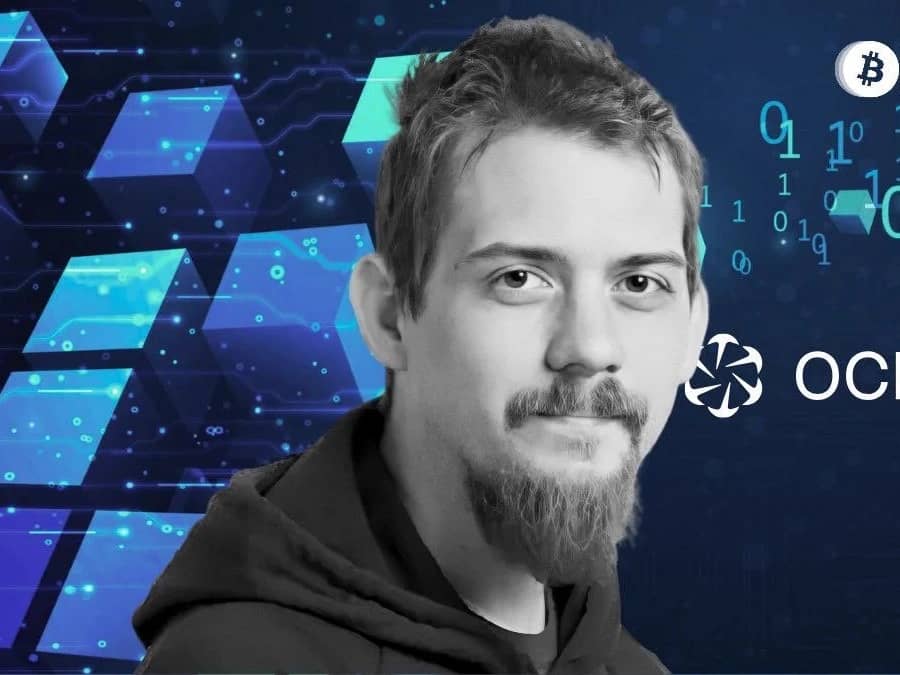
루크 대시주니어(Luke Dashjr)는 비트코인 코어(Bitcoin Core)에 기여하고, BIP를 작성 및 편집했으며, 마이닝 소프트웨어를 출시하고 엘리기우스(Eligius) 마이닝 풀을 설립한 비트코인 개발자입니다.

다몰라 올루토케(Damola Olutoke)는 나이지리아의 소프트웨어 엔지니어입니다. 그는 Sidebrief의 기술 통합 리드와 IQ.wiki의 소프트웨어 엔지니어로 활동해 왔으며...

벤 필딩(Ben Fielding)은 연구자, 기술자이자 엔젤 투자자입니다. 그는 분산형 머신러닝 컴퓨팅 프로토콜인 겐신(Gensyn)의 공동 창립자이자 CEO입니다. 그의 연구는...

해리 그리브(Harry Grieve)는 젠신(Gensyn)의 공동 창립자이자 CTO로, 기계 지능을 위한 컴퓨팅 네트워크를 구축하는 분산형 인프라 분야에서 활동하고 있는 인물입니다.

샘 맥캔들리쉬(Sam McCandlish)는 AI 안전 혁신을 주도하기 위해 앤스로픽(Anthropic)을 공동 창립한 AI 연구 분야의 주요 인물입니다. 전직 OpenAI 연구원이었던 그는 머신러닝의 스케일링 법칙(scaling law)에 기여한 것으로 잘 알려져 있습니다.
화이송 시앙(Huaisong Xiang)은 전직 로빈후드 엔지니어이자 금융 전문가로, 2026년 로빈후드 크립토의 기밀 토큰 상장 정보를 이용해 거래한 혐의로 연방 검찰에 의해 기소되었습니다.
허푸 차이(Hefu Chai)는 로빈후드 크립토의 상장 관련 기밀 정보를 이용해 거래한 혐의로 2026년 상품 사기 및 통신 사기 혐의로 기소된 소프트웨어 엔지니어입니다.

에릭 하트포드(Eric Hartford)는 응용 AI 연구원이자 소프트웨어 개발자로, 오픈 소스 AI 모델을 제작 및 배포하고 있으며 여러 AI 및 기술 기업에서 연구 및 엔지니어링 직책을 역임한 인물입니다.

제롬 웡(Jerome Wong)은 2025년 4월에 설립된 지식 재산권용 블록체인 인프라 벤처인 시티 프로토콜(City Protocol)의 설립자입니다.
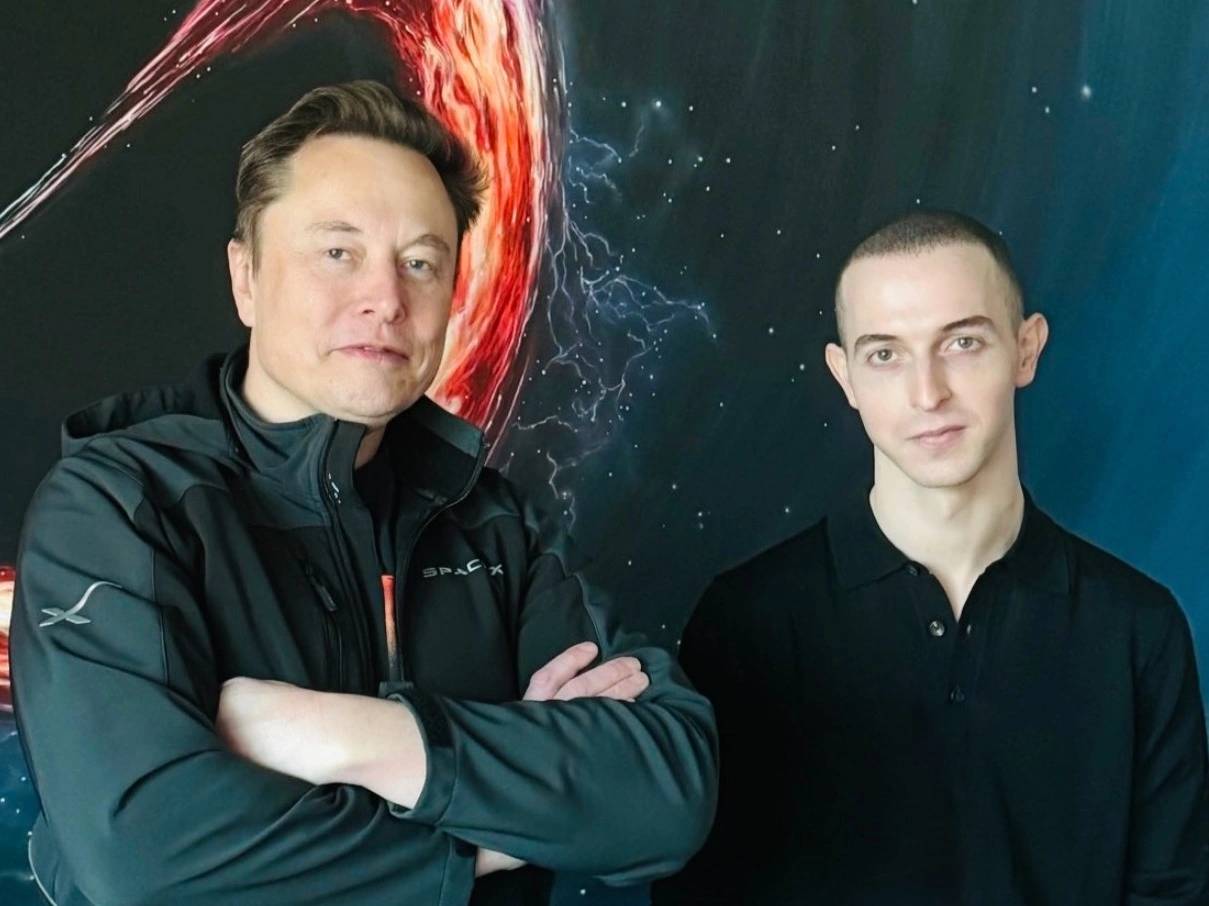
벤지 테일러(Benji Taylor)는 영국의 디자이너이자 기업가로, Los Feliz Engineering(Aave Labs에 인수된 Honk 및 Family 지갑 개발사)의 설립자입니다. Aave의 전 CPO이자 Coinbase의 Base 디자인 총괄을 역임했으며, 현재는 SpaceX에서 X 및 SpaceXAI의 디자인 총괄을 맡고 있습니다.
드라이든 브라운(Dryden Brown)은 미국의 기업가이자 틸 펠로우(Thiel Fellow)이며, 온라인 커뮤니티와 특구 방식의 거버넌스를 통해 새로운 도시 국가 건설을 목표로 하는 벤처 지원 디지털 국가 프로젝트인 프락시스(Praxis)의 공동 창립자이자 CEO입니다.

벤 델로(Ben Delo)는 영국의 기업가이자 자선가로, BitMEX 파생상품 플랫폼을 공동 설립했으며 다양한 자선 활동을 지원해 왔습니다.

니콜라스 라키(Nicolas Racchi)는 이더리움 인프라, 토큰 프로토콜 및 스마트 컨트랙트 분야에서 활동하는 소프트웨어 엔지니어이자 블록체인 개발자로, 현재 UMIA와 Chainbound에서 주요 직책을 맡고 있습니다.

프란체스코 모스테르츠(Francesco Mosterts)는 Chainbound와 Umia의 공동 창립자로, 온체인 자본 형성, 의사결정 시장 및 토큰 네이티브 벤처 인프라 분야에서 활동하고 있습니다.

칼 모한(Karl Mohan)은 Crypto.com, Wirecard 및 National Australia Bank에서 고위직을 역임한 결제 및 암호화폐 분야의 경영인입니다.

패트릭 서튼(Patrick Sutton)은 암호화폐 커뮤니케이션 분야에서 활동하는 전략 커뮤니케이션 전문가로, 포트폴리오 기업 및 투자 파트너들의 커뮤니케이션 전략을 지원하고 있습니다.

안토니오 피타시(Antonio Pitasi)는 분산 시스템과 블록체인 인프라를 구축하는 소프트웨어 엔지니어이자 공동 창립자로, 사용자 친화적이고 체인 불가지론적인 자동화 및 암호화 시스템에 대해 강연하고 있습니다.

루이스 바엘로 가르시아(Luis Vaello Garcia)는 핀테크 및 블록체인 운영자이자 공동 창립자로, AI 및 블록체인 스타트업과 결제 비즈니스에 참여하고 있는 인물입니다.

조슈아 굿바디(Joshua Goodbody)는 블록체인 및 AI 기업의 창립자이자 경영진으로, 디지털 자산 기업과 전통 금융 기관에서 고위직을 역임한 인물입니다.

로라 에스테파니아(Laura Estefania)는 Web3 홍보 및 전략적 커뮤니케이션을 전문으로 하는 커뮤니케이션 및 마케팅 전문가로, Conquista PR의 설립자이자 CEO, Stabolut의 전략적 커뮤니케이션 고문, 그리고 Beyond Founders의 호스트이자 설립자입니다.

레이첼 린(Rachel Lin, 린롱)은 홍콩을 기반으로 활동하는 금융 경영인이자 기업가로, 탈중앙화 파생상품 거래 플랫폼인 SynFutures의 공동 설립자이자 CEO입니다. 이전에는 도이치은행, 알리페이, 비트메인, 매트릭스포트에서 주요 직책을 역임했습니다.

앤서니 안잘로네(Anthony Anzalone)는 주요 글로벌 브랜드를 위한 검증 인프라에 집중하는 레이어 1 블록체인인 베로나(Verona, 구 XION)의 설립자이자 CEO이며, 개념적 NFT 예술 작품인 '번트 뱅크시(Burnt Banksy)'로도 잘 알려져 있습니다.

루아나 로페스 라라(Luana Lopes Lara)는 브라질 출신의 기업가이자 예측 시장 플랫폼인 칼시(Kalshi)의 공동 창립자입니다. 2025년 12월, 그녀는 세계 최연소 여성 자수성가형...
Send는 계정 추상화, 패스키 우선 지갑 UX, 네이티브 스테이블코인(CUSD) 및 SEND 유틸리티 토큰을 사용하여 Base 네트워크에서 프라이버시 중심의 모바일 우선 결제 생태계를 제공하는 프로젝트이자 프로토콜입니다.

IQ.wiki는 블록체인과 Web3를 위한 온체인 백과사전으로, 암호화 자산, 창립자, 프로토콜 및 관련 기술에 대한 AI 지원 및 출처 기반 문서를 정리하며, 편집 내용은 Polygon에 저장되고 콘텐츠는 IPFS에 저장되어 검증 가능한 영구성을 보장합니다.

Gensyn Network는 피어 투 피어 통신, 재현 가능한 실행, 무신뢰 검증, 그리고 온체인 정보 시장 및 조정을 호스팅하기 위한 EVM 호환 레이어 2를 결합하여 AI를 위한 개방형 인프라 레이어를 제공하는 프로젝트이자 프로토콜입니다.
GenLayer는 소프트웨어 에이전트 간의 계약 및 분쟁을 판결하기 위해 탈중앙화된 AI 검증자 합의 네트워크를 제공하는 프로젝트이자 프로토콜입니다.

Dolphin Network는 유휴 GPU를 재활용하여 분산되고 검증 가능한 AI 추론, 학습 및 데이터 스크래핑 서비스를 제공하는 프로젝트이자 프로토콜로, POD 토큰을 통해 조정되는 탈중앙화 AI 추론 네트워크를 운영합니다.
City Protocol은 RWA 및 전략 제공자를 위해 토큰화, ERC-4626 볼트, 발행 및 운영 도구, 개발자 API를 제공하는 온체인 구조화 상품 인프라 프로토콜입니다.
아발란체(Avalanche)는 스마트 컨트랙트, 맞춤형 레이어 1 체인 및 서브넷을 위한 레이어 1 지분 증명(PoS) 블록체인 플랫폼입니다.
Minara는 Arc 블록체인 기반의 토큰 런치패드로, 새로운 토큰이 USDC 네이티브 유동성을 바탕으로 즉시 거래될 수 있도록 Uniswap v4 풀을 생성합니다.
Chain.WTF는 카지노 게임, 스포츠북, PvP 경쟁 및 예측 시장을 비수탁형 베팅 모델로 제공하는 Base 기반의 블록체인 게이밍 및 베팅 플랫폼입니다.
Velqbit은 자동화된 전략을 제안하고 다중 지갑 클러스터를 관리하며, 온체인 작업을 실행하기 전 사용자의 승인을 요구하는 AI 네이티브 암호화폐 거래 터미널을 제공하는 프로젝트이자 프로토콜입니다.

Umia Finance는 법적 래퍼(legal wrapper), 맞춤형 경매(Tailored Auctions), 비수탁형 금고 및 의사결정 시장을 사용하여 토큰 네이티브 프로젝트를 출시, 자금 조달 및 거버넌스를 수행할 수 있는 풀스택 플랫폼을 제공하는 프로젝트이자 프로토콜입니다.

Hipo Finance는 사용자가 GRAM을 스테이킹하여 유동성 스테이킹 토큰인 hGRAM을 받고, HPO를 통해 거버넌스 및 이익 공유에 참여할 수 있게 해주는 TON 기반 오픈 소스 유동성 스테이킹 프로토콜입니다.

Prism Network는 일반 사용자가 예측 시장을 위한 데이터 기반 트레이딩 전략을 구독하고 자동으로 실행할 수 있도록 AI 기반 전략 계정("Flux")을 구축하는 프로젝트입니다.
NewSight는 암호화폐, AI, 거시 경제 및 실생활 이벤트에 대한 온체인 거래를 가능하게 하는 AI 네이티브 뉴스 및 예측 시장 플랫폼을 운영하는 프로젝트이자 프로토콜입니다.
Rashito는 레이어와 특성 구축, 중복 제거된 NFT 생성, IPFS에 자산 고정, ERC-721/1155 컨트랙트 배포 및 멀티 네트워크 민팅을 지원하는 노코드 NFT 컬렉션 크리에이터 스튜디오를 제공하는 프로젝트이자 프로토콜입니다.
Pools는 Uniswap Labs가 구축한 Robinhood Chain 및 Arc 기반의 밈코인 런치패드이자 거래 플랫폼으로, 모든 토큰은 자동 복리 잠금 유동성, 선택적 생성자 수수료 공유, 그리고 두 가지 출시 모드(Crowd 및 Instant)를 갖춘 Uniswap 풀로 출시됩니다.

Halo는 AI 추론을 위한 비허가형 피어 투 피어 마켓플레이스를 운영하는 프로젝트이자 프로토콜로, 요청을 운영자에게 라우팅하고, 실행 통계 증명(SPEX)을 통해 실행을 검증하며, Base 네트워크상에서 USDC로 결제를 정산합니다.
Kalshi는 사용자가 미래 사건의 결과에 대해 이벤트 계약을 거래하는 미국 규제 예측 시장입니다. 이 플랫폼은 정치, 금융 분야의 시장을 제공합니다.

Verona는 "AI를 위한 지능 계층" 역할을 하는 블록체인 기반 검증 네트워크로, 사용자가 오프체인 소스의 사실을 한 번 비공개로 증명하면 기본 데이터를 노출하지 않고도 AI 에이전트와 애플리케이션 전반에서 해당 증명을 재사용할 수 있게 해줍니다.
Warden Protocol은 AI 에이전트 경제를 구축하는 프로젝트이자 프로토콜로, 에이전트 지갑(Warden), Warden Chain, Warden Studio 및 AI 에이전트를 생성, 발견, 수익화 및 검증할 수 있는 Agent Hub를 제공합니다.
APRO는 블록체인 및 AI 모델에 검증 가능한 실시간 데이터 피드, RWA 증명 및 AI 최적화 데이터 서비스를 제공하는 AI 강화 탈중앙화 오라클 프로토콜입니다.
UsePaid는 적격 토큰 생성자 수수료를 X Money를 통해 지정된 X 계정으로 전달하는 암호화폐 수수료 브리지로, 수령인에게 80%를 달러로 지급하고 나머지 20%는 $PAID 토큰을 매수 및 소각하는 데 사용합니다.
Noma Network는 AI 에이전트와 자율 경제 정체성(AEI)을 위해 설계된 결제, 정산, 유동성 및 신용 서비스를 가능하게 하는 계층화된 금융 운영 체제를 제공하는 프로젝트이자 프로토콜입니다.
Fables는 Robinhood Chain 기반의 비수탁형 탈중앙화 거래소로, Uniswap v4 훅(hooks)과 ve(3,3) 토큰 모델을 결합하여 시장별 동적 스왑 수수료를 제공하는 집중 유동성 시장을 운영하며, $PROLOGUE를 중심으로 한 프리 토큰(pre-token) 단계를 진행 중입니다.
BrainDAO는 IQ 생태계와 IQ 토큰을 운영하는 거버넌스 DAO입니다. IQ.wiki, AIDEN, Sophia와 같은 제품을 감독하며, IQ 스테이커들이 관리하는 BrainDAO 재무고를 운영합니다.
Circle은 USDC 및 EURC 스테이블코인을 발행하고 인터넷 기반 금융 애플리케이션을 위한 결제 및 블록체인 인프라를 제공하는 상장 금융 기술 기업입니다.
Travala는 사용자가 호텔, 항공권, 액티비티 및 렌터카를 예약하고 암호화폐로 결제할 수 있도록 지원하는 동시에 AVA 로열티 토큰 프로그램을 운영하는 크립토 네이티브 여행 예약 플랫폼 조직입니다.
Kalshi는 사용자가 미래 사건의 결과에 대해 이벤트 계약을 거래하는 미국 규제 예측 시장입니다. 이 플랫폼은 정치, 금융 분야의 시장을 제공합니다.
Cosmoverse는 Cosmos 생태계와 상호운용성에 초점을 맞춘 연례 컨퍼런스로, 매년 다른 도시를 순회하며 영향력 있는 연사들과 함께 개최됩니다.
바이프로스트 네트워크(Bifrost Network)는 멀티체인 상호운용성, EVM 호환 dApp, 통합 토큰 모델 및 BFC 토큰을 통한 온체인 거버넌스에 중점을 둔 Substrate 기반 블록체인입니다.
Payward는 Kraken과 다양한 제품 포트폴리오를 지원하는 금융 인프라 플랫폼을 운영하는 조직으로, 규제된 시장 전반에 걸쳐 거래, 수탁, 결제, 대출 및 토큰화 서비스를 제공합니다.
Securitize는 실물 자산(RWA)의 토큰화에 특화된 디지털 자산 증권 기업입니다. 디지털 증권의 발행 및 거래를 위한 규제 준수 플랫폼을 제공합니다.
DefiLlama는 여러 블록체인에 걸쳐 TVL, 수수료, 수익률, RWA 및 거래소 데이터를 집계하는 오픈 소스 DeFi 분석 플랫폼입니다.
유니스왑 재단(Uniswap Foundation)은 델라웨어주 비영리 단체로, 거버넌스를 통한 유니스왑 커뮤니티의 자금 지원을 받아 DeFi의 성장, 혁신 및 지속 가능성을 지원합니다.
SoFi는 대출, 투자 및 뱅킹 서비스를 제공하는 미국 기반의 디지털 금융 기업이자 네오뱅크입니다. 2025년 11월, 이 회사는 통합 암호화폐 거래 서비스를 재출시했습니다.

리바이어던 뉴스(Leviathan News)는 암호화폐 및 DeFi 뉴스를 제공하는 선도적인 매체로, 업계 최신 동향에 대한 라이브 스트리밍과 업데이트를 제공합니다.
레밀리아 코퍼레이션(Remilia Corporation)은 밀레이디 메이커(Milady Maker) NFT 시리즈를 제작한 것으로 잘 알려진 탈중앙화 자율 조직(DAO)이자 디지털 아트 컬렉티브입니다.
Surf AI는 기관 및 개발자를 위해 암호화폐 및 미국 주식 리서치, 온체인 분석, 예측 시장 데이터, 에이전트 툴링을 제공하는 AI 기반 시장 인텔리전스 데이터 플랫폼 및 API 서비스입니다.

OpenHelix는 창업자가 토큰을 생성하고, 유동성을 공급하며, 온체인 자금 조달을 실행하고, 베스팅 및 재무를 관리하며, BNB 체인, Solana 및 기타 체인에 걸쳐 프로젝트 툴링을 배포할 수 있도록 지원하는 Web3 런칭 플랫폼을 제공하는 조직입니다.
2014년에 설립된 Blockstream은 비트코인 및 블록체인 기술의 글로벌 리더로서, 견고한 금융 인프라 구축을 위해 Jade 지갑과 Liquid Network 같은 인프라, 제품 및 서비스를 제공합니다.
ZettaBlock은 Web3 및 AI 애플리케이션을 위한 실시간 멀티체인 블록체인 데이터 인프라와 개발자 도구를 제공하는 데이터 플랫폼 조직입니다.

AI Agentcy는 자동화 및 수익화를 위해 블록체인과 통합된 AI 에이전트를 개발하며, 멀티체인 배포, 토큰화된 소유권 및 탈중앙화된 산업 거버넌스를 지원합니다.
Tesseract AI는 블록체인과 고성능 GPU 서버를 활용하여 VPS, AI 모델 등을 제공하는 탈중앙화 컴퓨팅 및 AI 서비스 플랫폼입니다.
O.XYZ는 커뮤니티 소유를 통해 개인에게 권한을 부여하는 것을 목표로 세계 최초의 주권적 슈퍼 인공지능(Sovereign Super Intelligence) 개발에 집중하는 탈중앙화 AI 생태계입니다...

IQ는 BrainDAO의 거버넌스 토큰으로, HiIQ 기반 스테이킹, 생태계 거버넌스, 그리고 IQ 생태계 전반의 개발 자금 지원에 사용됩니다.
Prom은 Prometeus Labs가 Polygon CDK를 사용하여 구축한 모듈형 zkEVM 레이어 2 네트워크입니다. DeFi, GameFi, 실물 자산(RWA) 및 AI 에이전트 결제를 위한 멀티체인 상호 운용성에 중점을 두고 있으며, PROM을 네이티브 수수료 및 거버넌스 토큰으로 사용합니다.
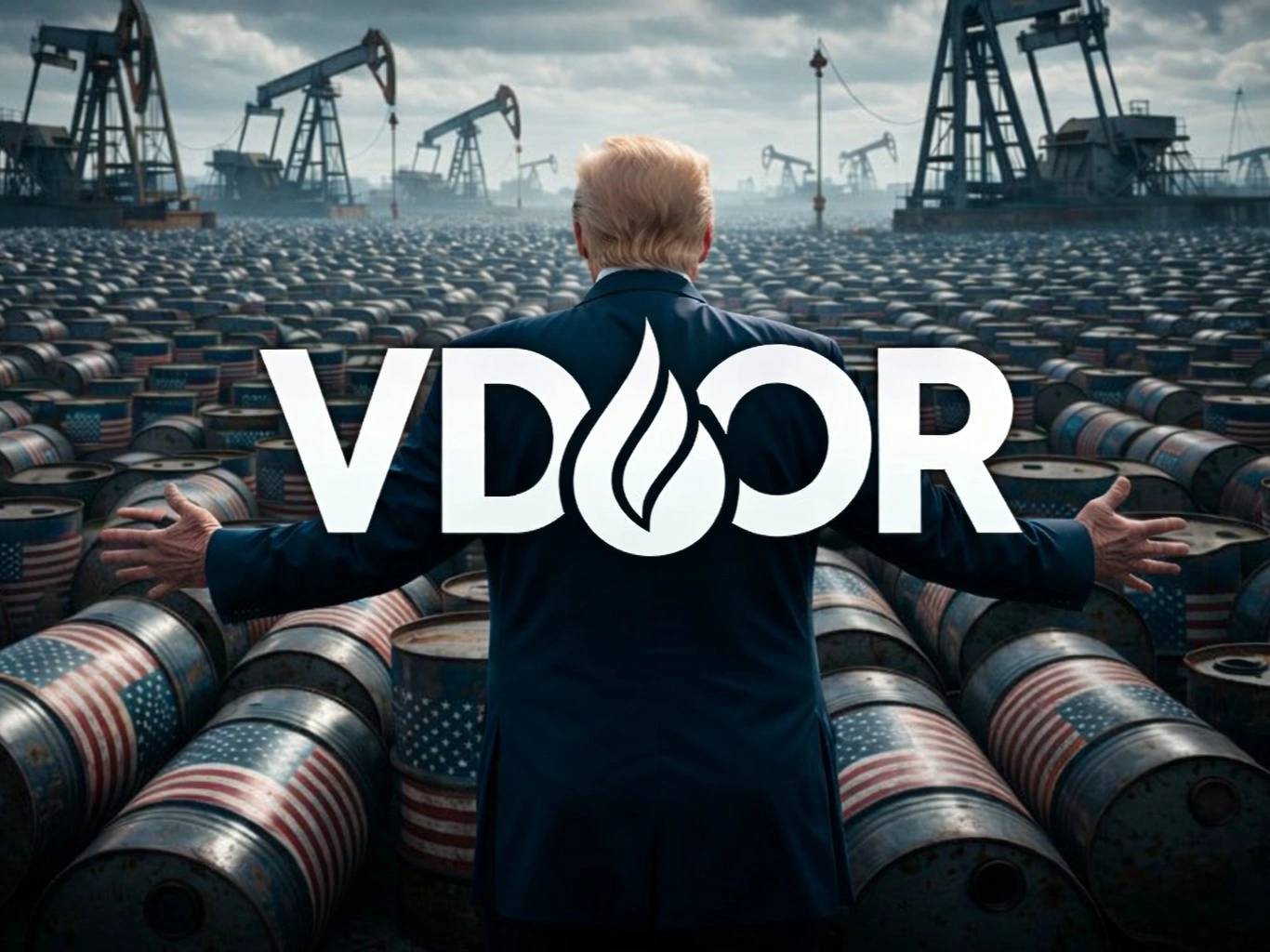
Vanguard Digital Oil Reserve (VDOR)는 2025년 말에 출시된 솔라나 기반의 SPL 토큰으로, 토큰화된 전략적 석유 비축유를 대변한다고 홍보되고 있습니다.
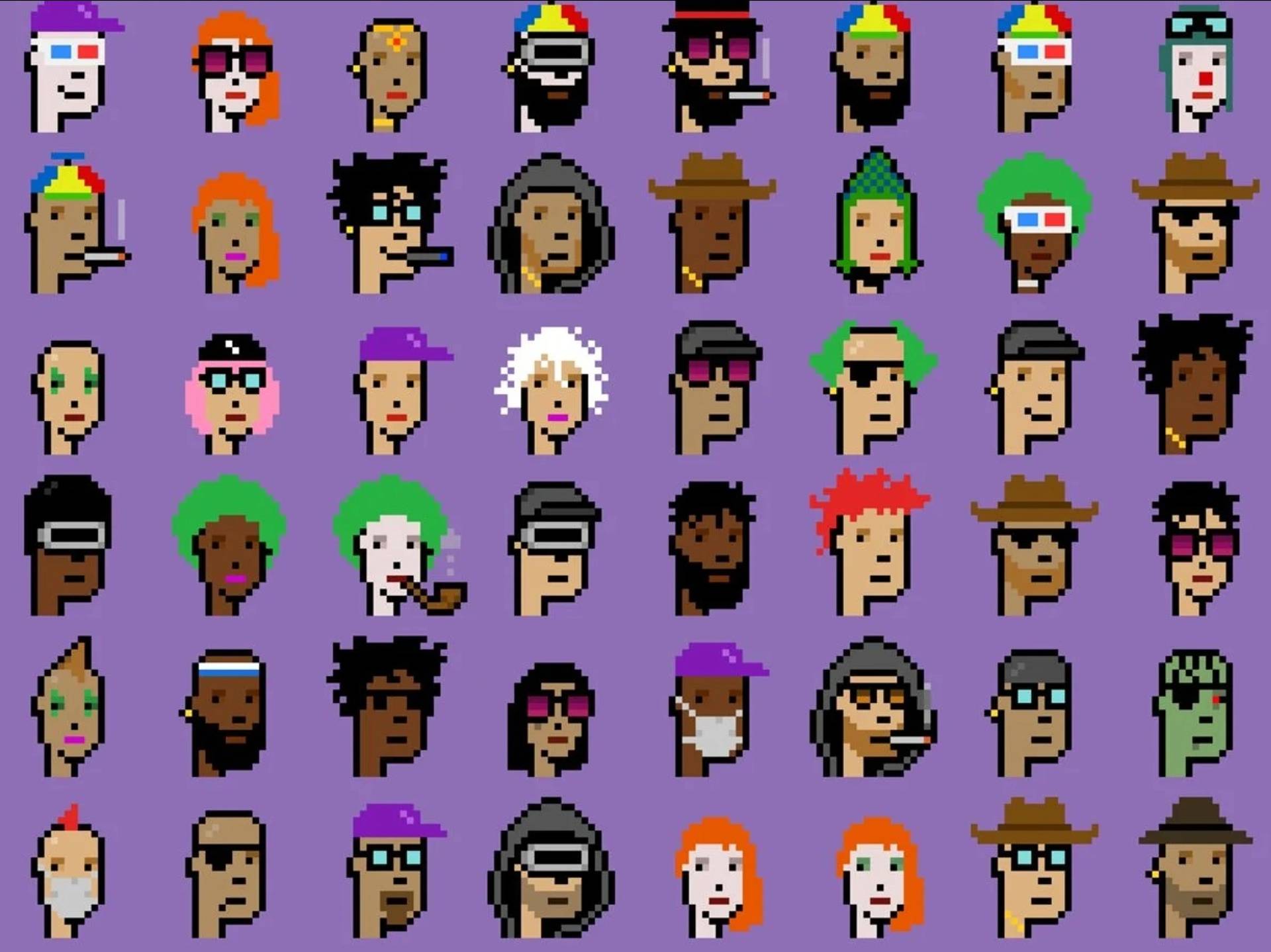
크립토펑크(CryptoPunks)는 2017년 라바 랩스(Larva Labs)가 이더리움 네트워크에 출시한 10,000개의 NFT 아바타 컬렉션입니다. 가장 초기이자 가장 영향력 있는 NFT 프로젝트 중 하나로 꼽히며, 해당 IP는 2022년 라바 랩스에서 유가 랩스(Yuga Labs)로, 2025년에는 인피니트 노드 재단(Infinite Node Foundation)으로 이전되었습니다.
STONK는 StonkFun의 네이티브 솔라나 유틸리티 토큰입니다. StonkFun은 토큰화된 주식(xStocks) 및 주요 알트코인을 기반으로 고정 공급 토큰이 발행되는 런치패드이며, 플랫폼 거래 수수료의 일부는 STONK의 바이백 및 소각에 사용됩니다.
Tolly는 Arc 블록체인상의 Tolly 런치패드 및 거래 인터페이스를 위한 프로토콜 토큰으로 사용되는 암호자산이며, 수수료 공유, 바이백/소각 및 홀더 보상 메커니즘에 활용됩니다.
KRWQ는 IQ가 Frax 인프라를 사용하여 출시한 원화 연동 스테이블코인입니다. 멀티체인 전송, DeFi 유동성, 기관용 현물 및 파생상품 거래, 토큰화 채권 예치금 및 자동화된 예치금 증명을 지원합니다.
FUNToken (FUN)은 2017년 FunFair Technologies가 블록체인 기반 게임 및 iGaming을 지원하기 위해 출시한 Web3 유틸리티 토큰입니다. Polygon 네트워크의 XFUN과 함께 이중 자산 생태계를 형성하며, 플랫폼 수익과 연계된 디플레이션 소각 모델을 사용합니다.

Artificial Inu (AI)는 Robinhood Chain의 밈코인으로, Robinhood의 토큰화된 NVDA 주식 토큰과 페어링되어 있습니다. 거래 수수료를 사용하여 토큰화된 기술주로 구성된 커뮤니티 금고(Community Vault)를 구축하는 동시에 자체 공급량의 일부를 소각하고 잠금 처리합니다.

SoFiUSD는 SoFi Bank, N.A.가 발행한 암호자산 스테이블코인으로, 미국 달러와 1:1 가치를 유지하도록 설계되었으며 결제 및 정산을 위해 퍼블릭 블록체인에서 운영됩니다.

GHO (GHO)는 이더리움 네이티브이며 Aave DAO가 관리하는 과담보 스테이블코인으로, 여러 체인에 걸쳐 미국 달러 가치를 추종하도록 설계되었습니다.

USDD는 2022년 TRON에서 알고리즘 설계로 시작하여 2025년 USDD 2.0으로 업그레이드된 탈중앙화 과담보 USD 연동 스테이블코인입니다. USDD 2.0은 페그 안정성 모듈(PSM)과 온체인 거버넌스를 갖춘 멀티체인 금고 기반 스테이블코인입니다.
테더 골드(XAUt)는 엘살바도르의 디지털 자산 발행법에 따라 TG Commodities가 발행한 토큰화된 금 스테이블코인으로, 스위스 금고에 보관된 런던 굿 딜리버리(London Good Delivery) 금과 1:1로 매칭되며 금 담보 스테이블코인 시장의 과반을 차지하고 있습니다.
Ondo US Dollar Yield (USDY)는 단기 미국 국채, 국채 ETF 및 은행 예금을 담보로 하는 무허가형 수익 창출 토큰화 어음으로, 적격한 비미국인 투자자에게 스테이블코인과 유사한 유틸리티와 미국 달러 표시 수익을 제공합니다.
PAX Gold (PAXG)는 Paxos가 발행한 토큰화된 금 자산으로, 각 토큰은 LBMA 인증 금고에 보관된 런던 굿 딜리버리(London Good Delivery) 금 1 트로이 온스를 나타내며 미국 연방 당국의 감독 하에 실물 금과 1:1로 상환 가능합니다.
Ethena USDe는 ETH 스테이킹 수익과 무기한 스왑을 기반으로 하는 1:1 담보형 온체인 스테이블코인으로, 스테이블코인의 트릴레마를 해결하기 위해 Ethena Labs에서 개발했습니다.
RLUSD는 기관 결제 및 유동성 지원을 위해 리플(Ripple)의 Standard Custody 신탁 회사를 통해 발행된 미국 달러 연동 스테이블코인입니다.
USD1은 World Liberty Financial과 연계된 법정화폐 담보 미국 달러 스테이블코인으로, 멀티체인 결제 및 기관 정산을 위해 BitGo를 통해 발행됩니다.
FTX 토큰(FTT)은 파산한 FTX 플랫폼의 레거시 거래소 토큰입니다. 수수료 할인, 담보 활용, 스테이킹 보상 및 토큰 소각과 같은 유틸리티는 FTX의 운영 중단과 함께 종료되었습니다.

Lonely Alien Space Club은 이더리움 블록체인상의 10,001개 고유 ERC-721 토큰 컬렉션으로, 보유자에게 멤버십 액세스 권한과 Space Club 생태계 참여 기회를 제공합니다.

Milady Maker는 2021년 Remilia Collective가 제작한 이더리움 기반의 10,000개 네오치비 스타일 NFT 프로필 사진 컬렉션으로, 동반 NFT, 소셜 경험 및 토큰으로 구성된 광범위한 생태계의 중심 역할을 합니다.
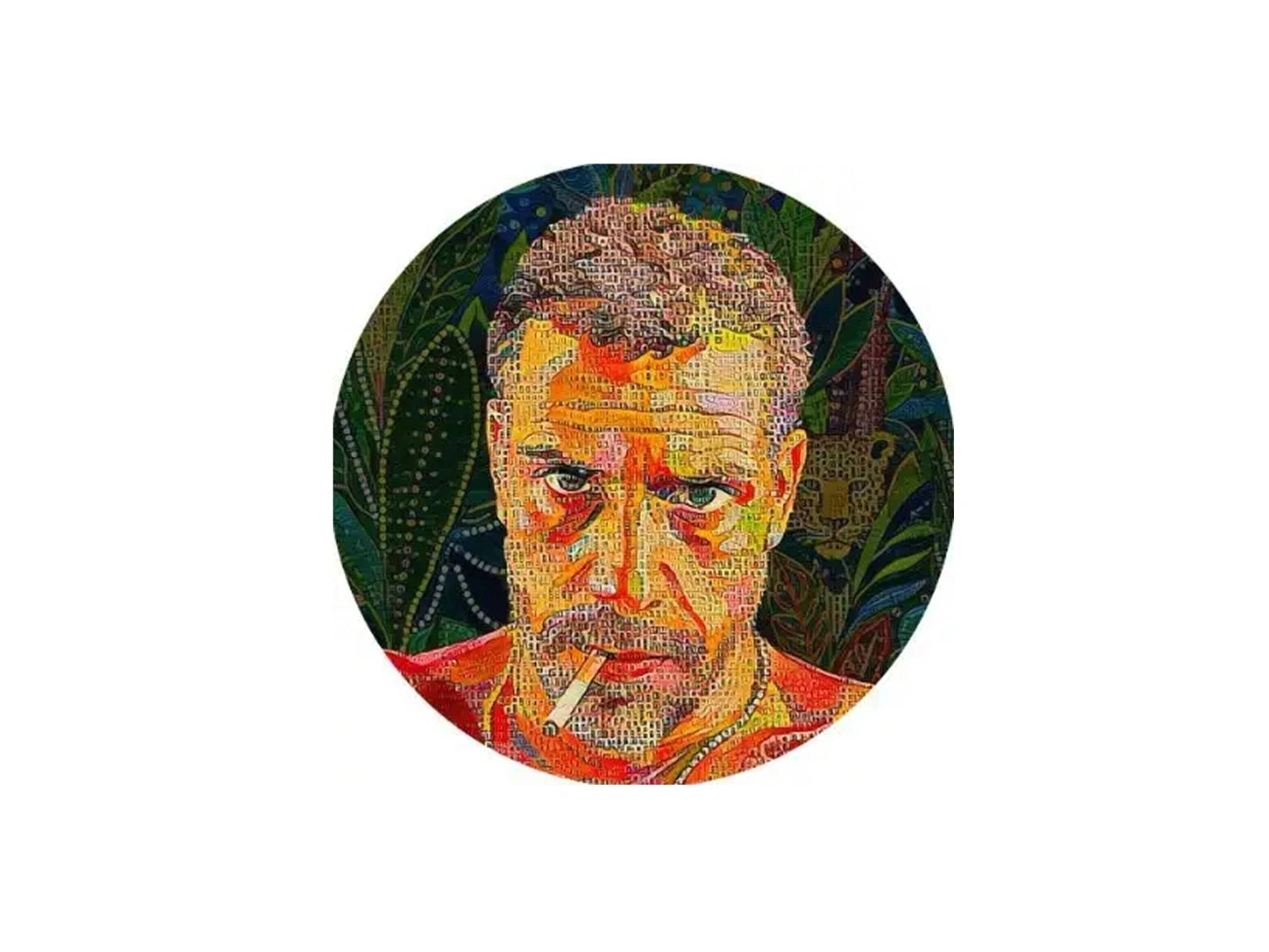
LAPTOP은 헌터 바이든이 Base 네트워크에서 출시한 암호화폐 토큰이자 밈코인으로, 총 공급량은 1,000,000,000개이며 에어드랍 및 할당 계획을 포함하고 있습니다.
Bitget은 2018년에 설립된 세이셸 기반의 암호화폐 거래소로, 현물, 선물, 마진, 카피 트레이딩을 비롯하여 런치패드, 암호화폐 대출, BGUSD 및 Bitget 토큰(BGB)과 같은 제품을 제공합니다.
바이낸스(Binance)는 2017년에 설립된 글로벌 암호화폐 거래소로, 350개 이상의 암호화폐 거래를 지원하며 일일 거래량 기준 세계 최대 규모를 자랑합니다.
Tare는 뉴욕에 본사를 둔 금융 기술 기업으로, 대출 기관과 투자자를 연결하는 토큰화 기반 신용 마켓플레이스를 운영하며 소비자 신용을 위한 자금 조달, 대출 실행, 서비스 및 분석을 아우르는 제품을 제공합니다.
MYX Finance는 매칭 풀 메커니즘(Matching Pool Mechanism)과 체인 추상화를 사용하는 온체인 무기한 선물 거래를 위한 비수탁형 파생상품 프로토콜이며, MYX V2를 통해 레버리지 파생상품을 위한 모듈형 옴니체인 정산 레이어로 전환되었습니다.
NewSight(구 VIZO)는 AI 네이티브 기반의 아시아 중심 예측 시장 플랫폼으로, 틱톡 스타일의 피드를 통해 헤드라인을 거래 가능한 결과로 변환하며 고빈도 상호작용과 원활한 시장 배포 통합을 강조합니다.
Bitunix는 2021년에 설립된 글로벌 중앙화 암호화폐 거래소(CEX)입니다. 현물 및 무기한 선물 거래, 카피 트레이딩, 수익 창출 상품 등을 제공합니다.
암호화폐 거래소 CoinEx는 2017년에 설립되었습니다. 2026년 9월, CoinEx는 장기적인 시장 침체, 거래량 및 유동성 감소, 규제 및 컴플라이언스 비용 상승을 이유로 거래소 운영을 중단한다고 발표했습니다.

Crypto.com은 2016년에 설립된 암호화폐 거래소 및 금융 서비스 플랫폼으로, 거래, 결제, 카드 및 DeFi 제품을 제공합니다.
Hotcoin은 2017년에 설립되어 호주 시드니에 본사를 둔 중앙 집중식 암호화폐 거래소로, 현물, 마진 및 선물 시장, 카피 트레이딩, TradFi 제품, Earn 제품 및 셀프 커스터디 Web3 지갑을 제공합니다.

World는 Solana 기반의 완전한 온체인 예측 시장으로, 시장 데이터를 위해 Chainlink를 주요 오라클로 활용합니다. 사용자는 Phantom 지갑 내에서 이벤트 계약을 거래할 수 있습니다.

OTSea는 ERC20 토큰 보유자를 위한 블록체인 기반 P2P 거래 플랫폼으로, 크라우드 필 판매, 차익거래 봇 방지, 멀티체인 지원 등의 기능을 제공하여 수익을 극대화합니다.
Frictionless는 토큰화 프로세스를 최적화하고 디지털 자산 거래의 효율성을 높이며, 가격 영향, 베스팅 압박 및 자산 소유권 문제를 해결하는 블록체인 플랫폼입니다.
업비트(Upbit)는 2017년에 출시된 대한민국의 중앙화 암호화폐 거래소로, 180개 이상의 암호화폐, NFT 마켓플레이스, 스테이킹 서비스를 제공하며...
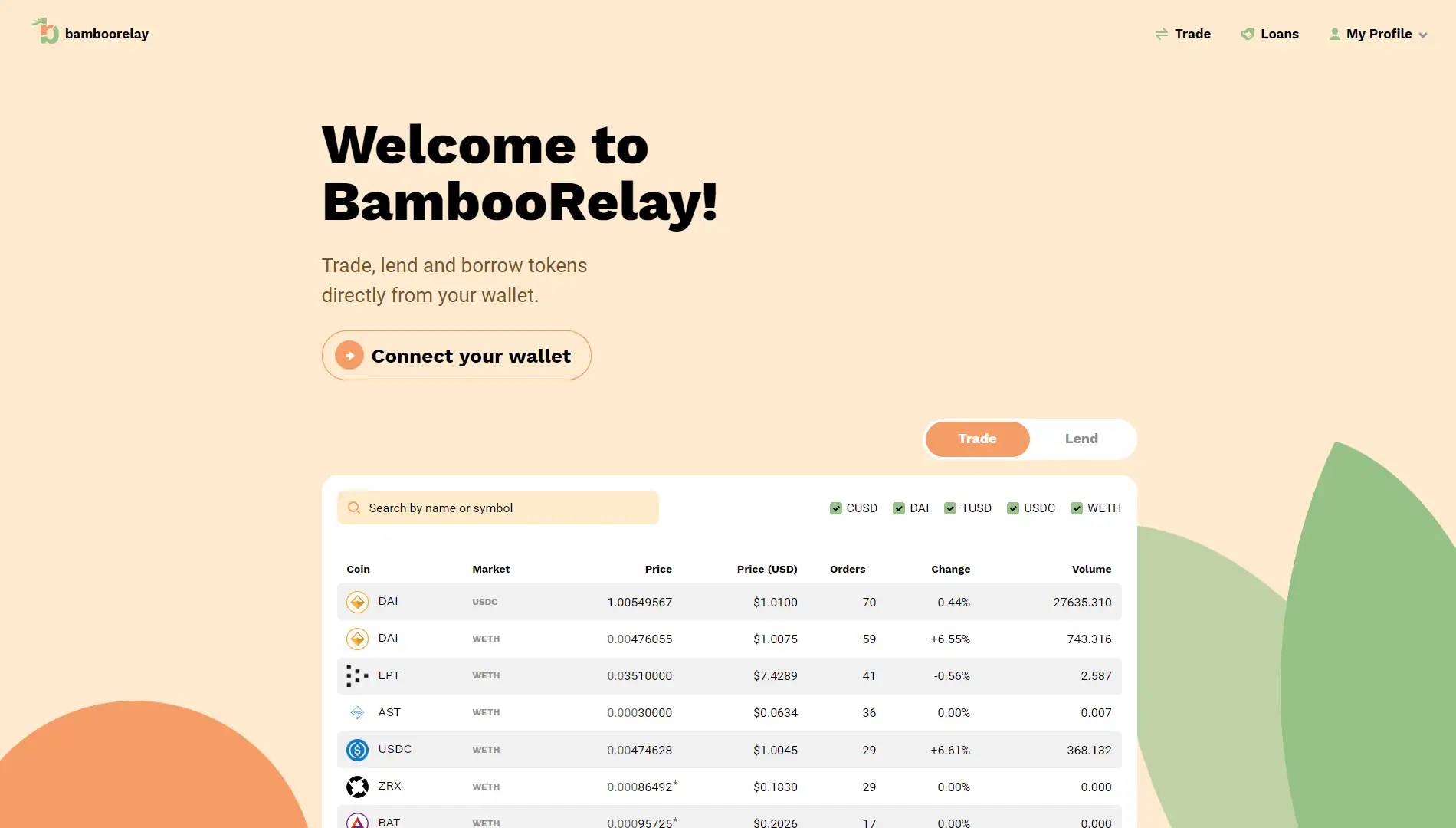
Bamboo Relay는 탈중앙화 프로토콜을 위한 릴레이어였습니다. Bamboo는 거래를 위해 0x 프로토콜을 기반으로 운영되었습니다.
Lemon은 사용자가 암호화폐를 구매, 판매 및 이자를 받을 수 있도록 지원하는 라틴 아메리카 핀테크 앱입니다. 최대 2%의 비트코인 캐시백을 제공하는 VISA 카드를 통해 디지털 자산과 일상 금융을 연결합니다.
Binance.US는 샌프란시스코에 본사를 두고 FinCEN의 규제를 받는 암호화폐 거래소로, 일부 주를 제외한 미국 고객들에게 안전한 디지털 자산 거래 서비스를 제공합니다.
고팍스(GOPAX)는 원화(KRW) 및 암호화폐 거래 플랫폼을 운영하는 중앙화된 암호화폐 거래소로, 현물 거래, 수탁, 모바일 앱 및 관련 자산 관리 서비스를 제공합니다.
Drift는 무기한 선물, 현물 거래, 대출, 차입 및 패시브 유동성을 제공하는 Solana 기반의 탈중앙화 거래소입니다. JIT 경매와 탈중앙화된...
코인원(Coinone)은 2014년에 설립된 대한민국의 암호화폐 거래소입니다. 200개 이상의 디지털 자산을 지원하고 있지만, 2026년의 주요 자금세탁방지(AML) 위반 및 2023년의 상장 비리 스캔들을 포함하여 중대한 법적 및 규제적 도전에 직면해 왔습니다.
Uniswap은 이더리움 블록체인 기반의 탈중앙화 거래소 프로토콜로, 디지털 자산의 피어 투 피어 거래를 촉진하며 자체 거버넌스 토큰에 의해 운영됩니다...
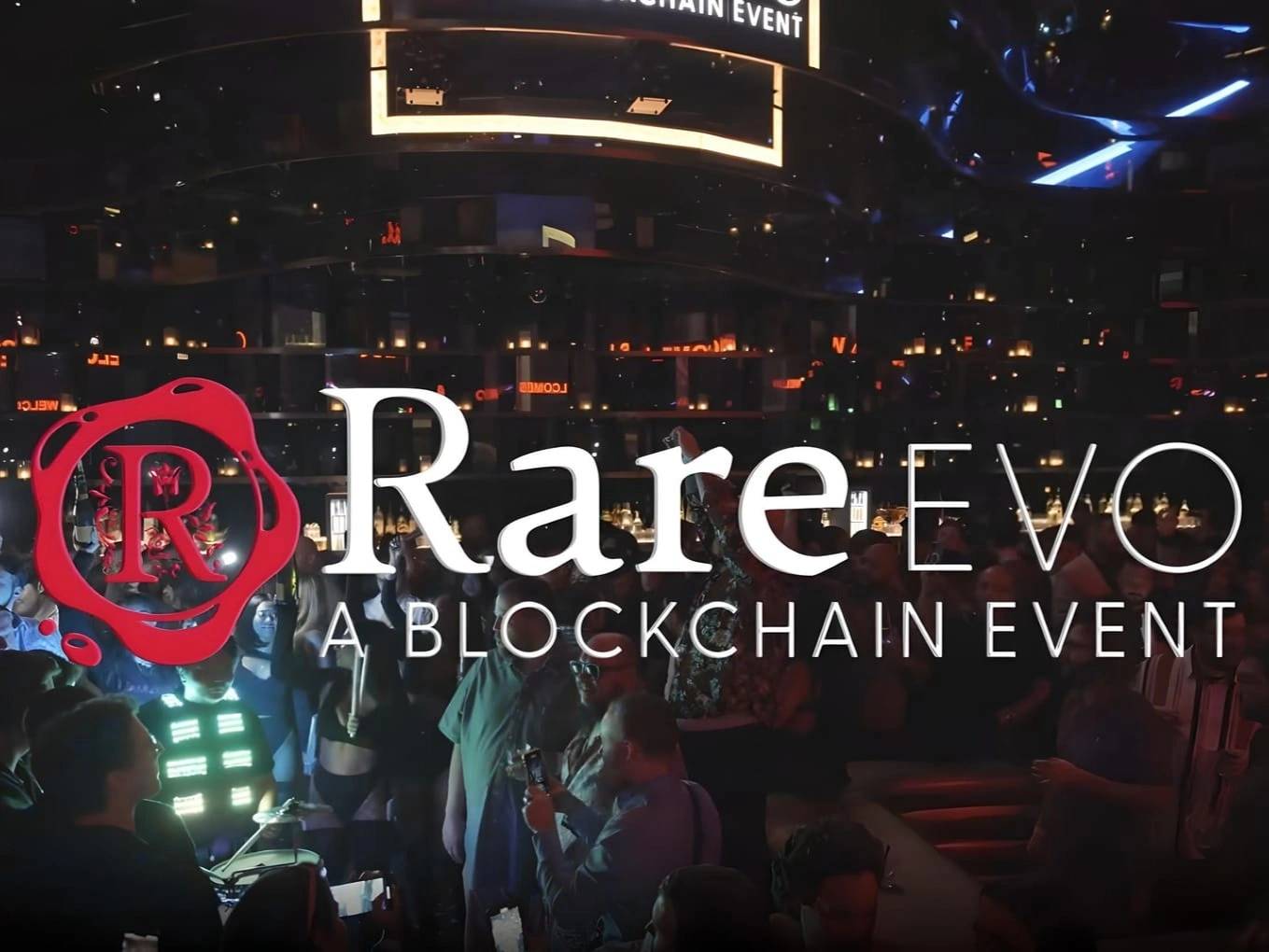
Rare Evo는 교육, 네트워킹, 축제에 중점을 둔 블록체인 컨퍼런스로, 기조 연설, 패널 토론, 워크숍 및 엔터테인먼트를 특징으로 하며 매년 개최됩니다...
Cosmoverse는 Cosmos 생태계와 상호운용성에 초점을 맞춘 연례 컨퍼런스로, 매년 다른 도시를 순회하며 영향력 있는 연사들과 함께 개최됩니다.
Consensus by Coindesk는 암호화폐 및 블록체인에 초점을 맞춘 연례 컨퍼런스로, 업계 전문가, 경쟁 및 네트워킹 기회를 제공합니다...
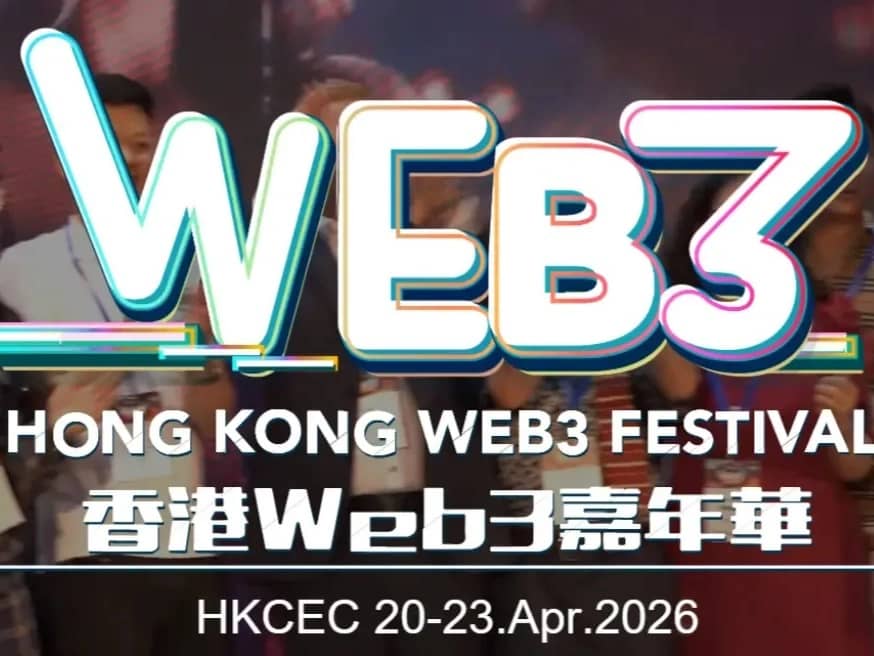
홍콩 Web3 페스티벌은 글로벌 협업과 디지털 혁신 논의를 촉진하는 아시아 최고의 연례 Web3 및 암호화폐 행사입니다.
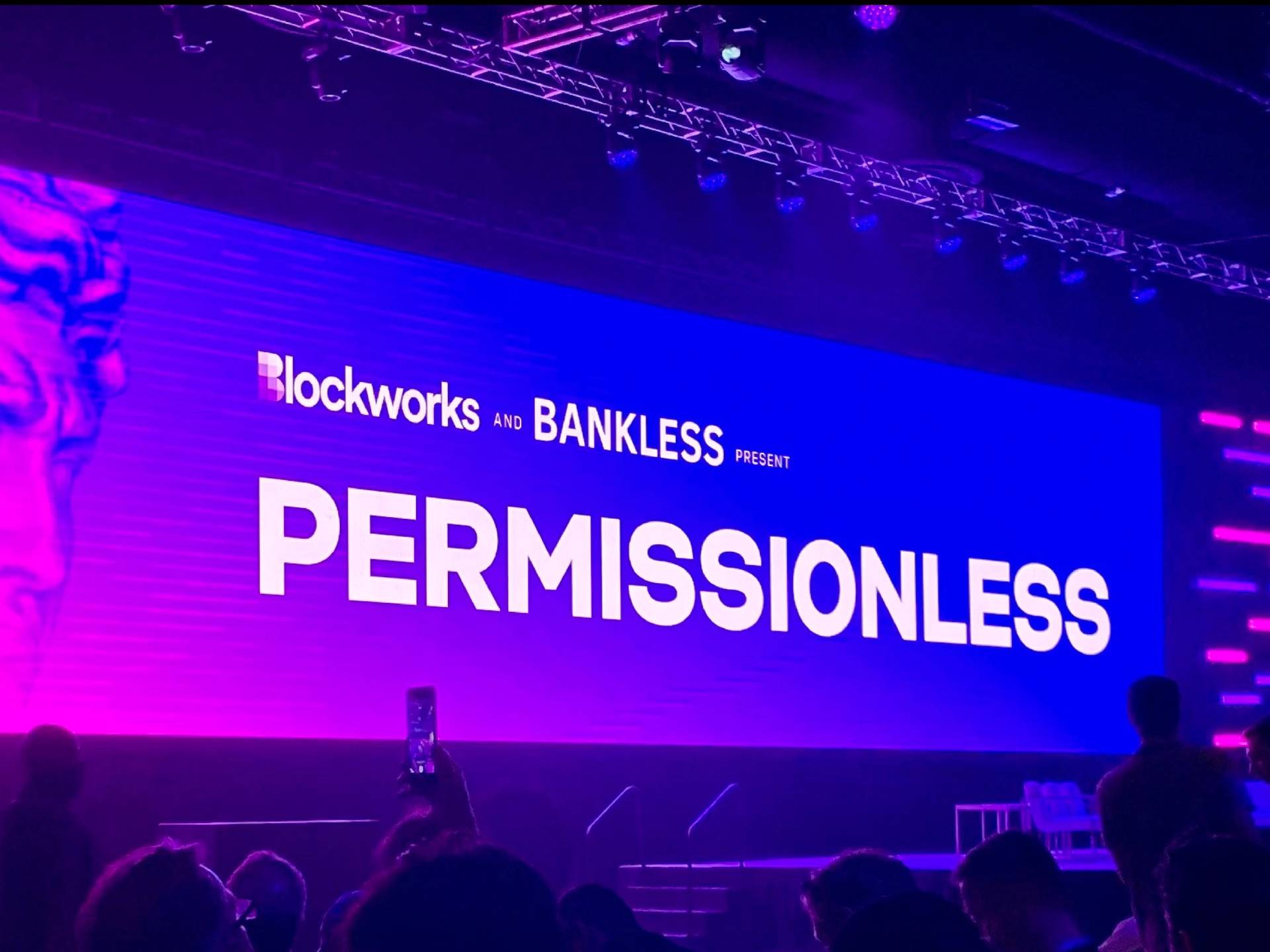
Permissionless는 Bankless와 Blockworks가 주최하는 주요 DeFi 컨퍼런스로, 업계 최고의 암호화폐 전문가들이 참여하며 2024년 10월 9일부터 11일까지 개최될 예정입니다.
Coinfest Asia는 Coinvestasi가 주최하는 발리의 연례 페스티벌로, 아시아 지역의 암호화폐 및 Web3 분야의 채택, 혁신 및 발전에 초점을 맞추고 있습니다.
스테이블코인 서밋(Stablecoin Summit)은 정부, 금융 기관, 핀테크 및 블록체인 리더들이 모여 스테이블코인 도입, 국경 간 결제, 인프라, 규제 및 실제 활용 사례를 논의하는 컨퍼런스입니다.
Upton Finance는 TON 블록체인 기반의 CeDeFi 플랫폼으로, 텔레그램 생태계 내에서 스테이킹된 USDT 및 TON에 대해 15%의 APY를 제공합니다.

엘로이 체오(Elroy Cheo)는 싱가포르의 기업가이자 멤버십 기반 Web3 컬렉티브인 ARC Community의 공동 창립자입니다. 그의 경력은 원자재 거래, 대규모 부동산 개발, 블록체인 기술을 아우르며, 커뮤니티 구축과 가치 창출에 중점을 두고 있습니다.
ARC 커뮤니티는 글로벌 아시아 디아스포라를 위한 프라이빗 멤버십 전용 네트워크입니다. NFT를 멤버십 증명으로 사용하며, 공동 프로젝트와 벤처에 대한 협업을 촉진하는 '소셜 벤처 스튜디오'로 운영됩니다. 이 커뮤니티는 싱가포르에 기반을 두고 있습니다.
ETHDenver는 이더리움 블록체인 개발 및 네트워킹에 중점을 둔 연례 Web3 행사로, 해커톤을 개최하며 창립 이래 SporkDAO에 의해 관리되고 있습니다.
Zypto는 블록체인 기반 디지털 자산을 일상적인 거래에 사용하기 위한 기술을 개발하는 회사로, 현지 결제 수단을 대체하거나 대안을 제공하는 것을 목표로 합니다.
Crypto Expo Europe는 루마니아 부쿠레슈티에서 매년 개최되는 블록체인 및 암호화폐 컨퍼런스로, 업계 리더들이 모여 혁신, 규제 및 시장 트렌드를 논의하는 행사입니다.
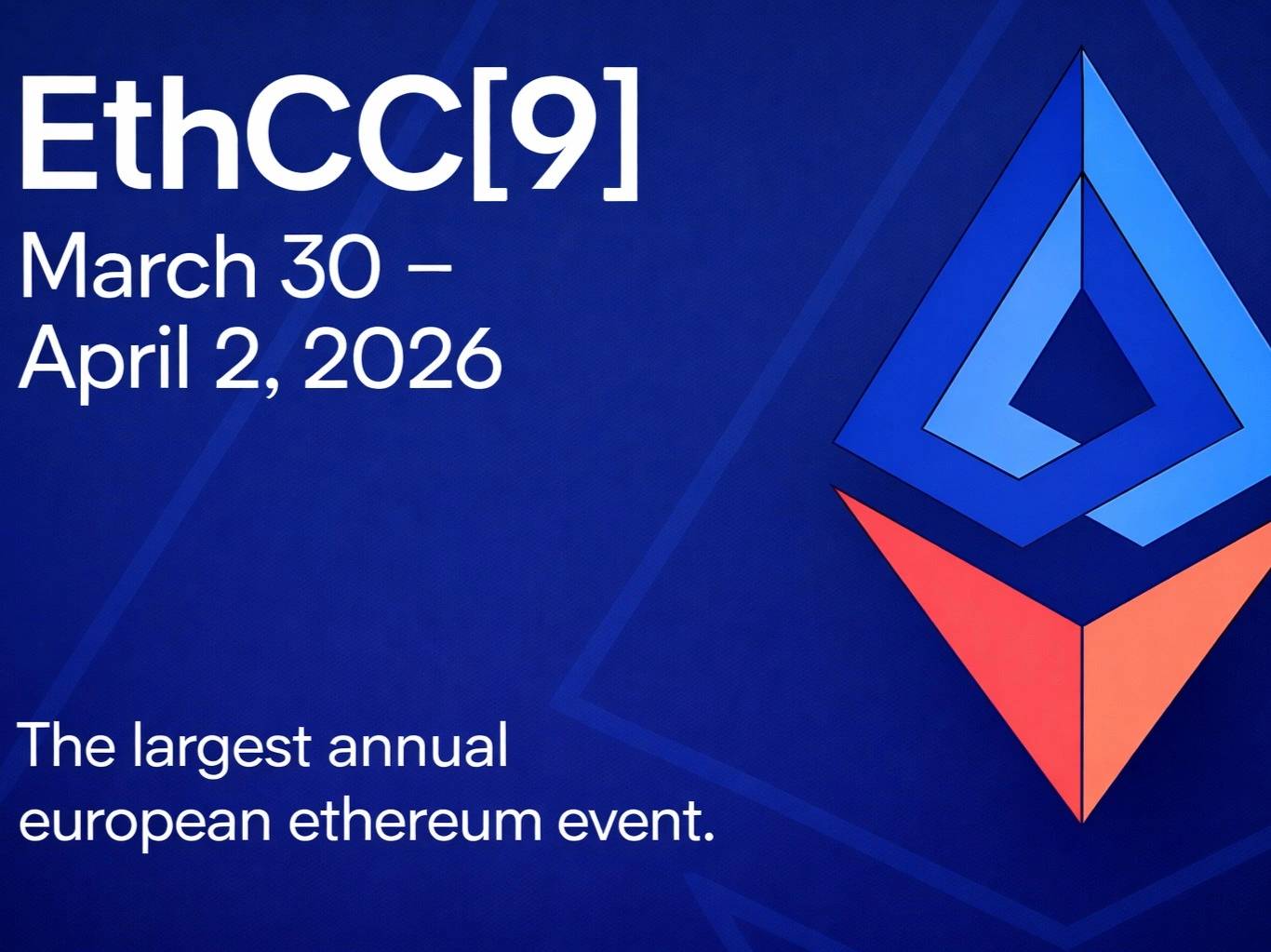
이더리움 커뮤니티 컨퍼런스(EthCC)는 이더리움 프랑스(Ethereum France)가 주최하는 기술 및 커뮤니티 중심의 연례 4일 유럽 이더리움 행사입니다.
월드 네트워크(World Network, WLD)는 OpenAI의 CEO 샘 알트먼이 주도한 프로젝트로, 홍채 기반 인증 프로세스를 통해 고유한 디지털 신원을 제공하는 암호화폐 프로젝트입니다.
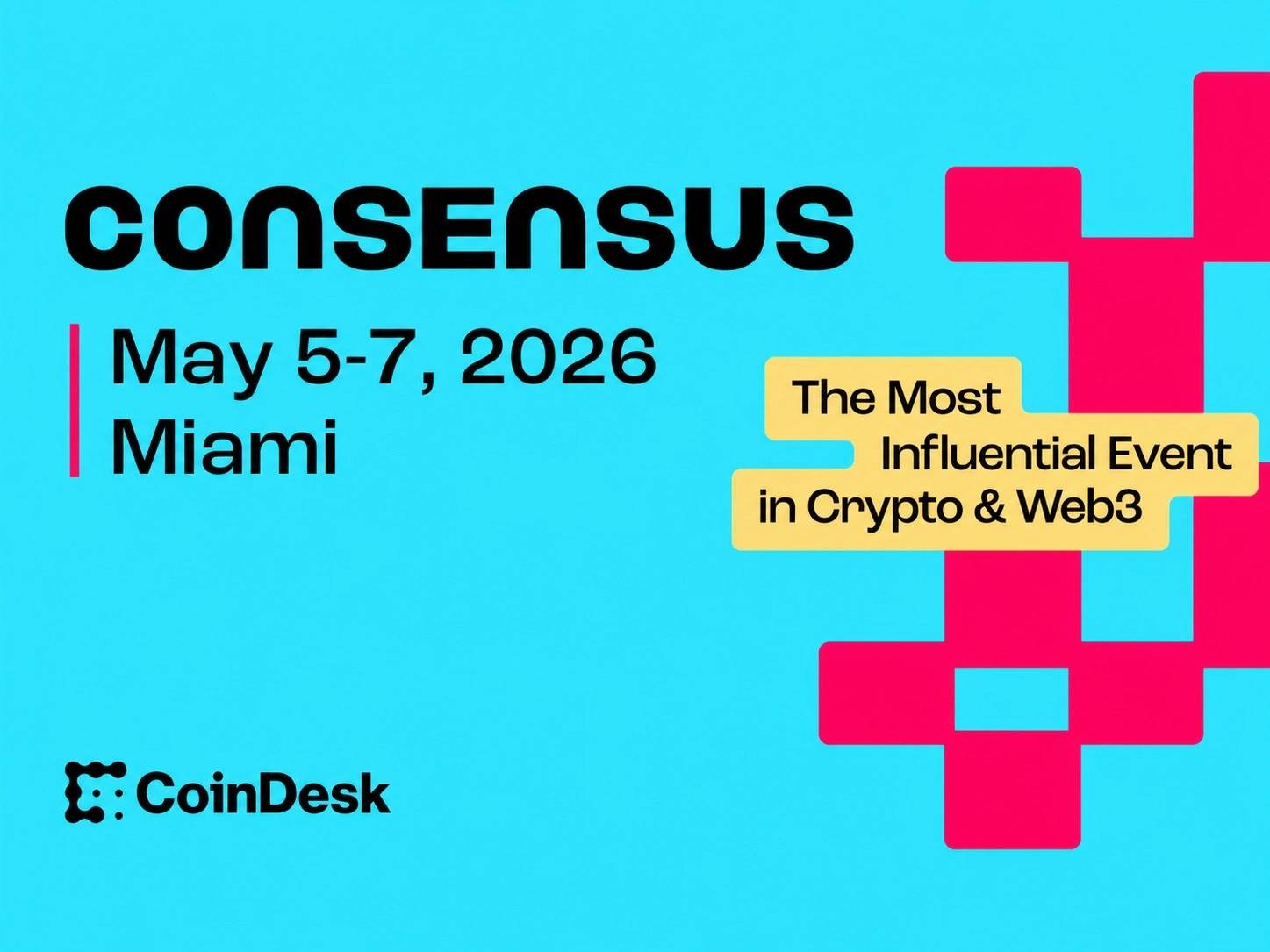
Consensus Miami 2026은 CoinDesk가 주최하는 암호화폐, 블록체인 및 Web3를 위한 연례 글로벌 컨퍼런스의 2026년 에디션으로, 마이애미 비치 컨벤션 센터에서 개최됩니다.
Santa Browser는 개인 정보 보호와 보상 시스템, 그리고 Web3 광고/제휴 레이어를 결합하는 것을 목표로 하는 Chromium 기반 웹 브라우저입니다. 데스크톱 및 안드로이드 버전을 지원합니다.

Choice Markets는 X(Twitter)를 위한 AI 기반 소셜 네이티브 예측 시장 플랫폼입니다. 하이브리드 유동성 모델을 사용하여 소셜 담론을 거래 가능한 시장으로 전환하며, 실시간 시장 형성 및 거래를 위한 AI 보조 레이어 역할을 합니다.
Together.fun (TOFU)은 커뮤니티 중심의 토큰 발견과 게임과 같은 실행 방식을 결합하는 것을 목표로 하는 솔라나 기반의 게임화된 소셜 트레이딩 플랫폼입니다. 이 플랫폼은...
파리 블록체인 위크(PBW)는 블록체인 및 암호화폐 산업의 최신 트렌드와 발전을 선보이는 연례 국제 행사입니다.
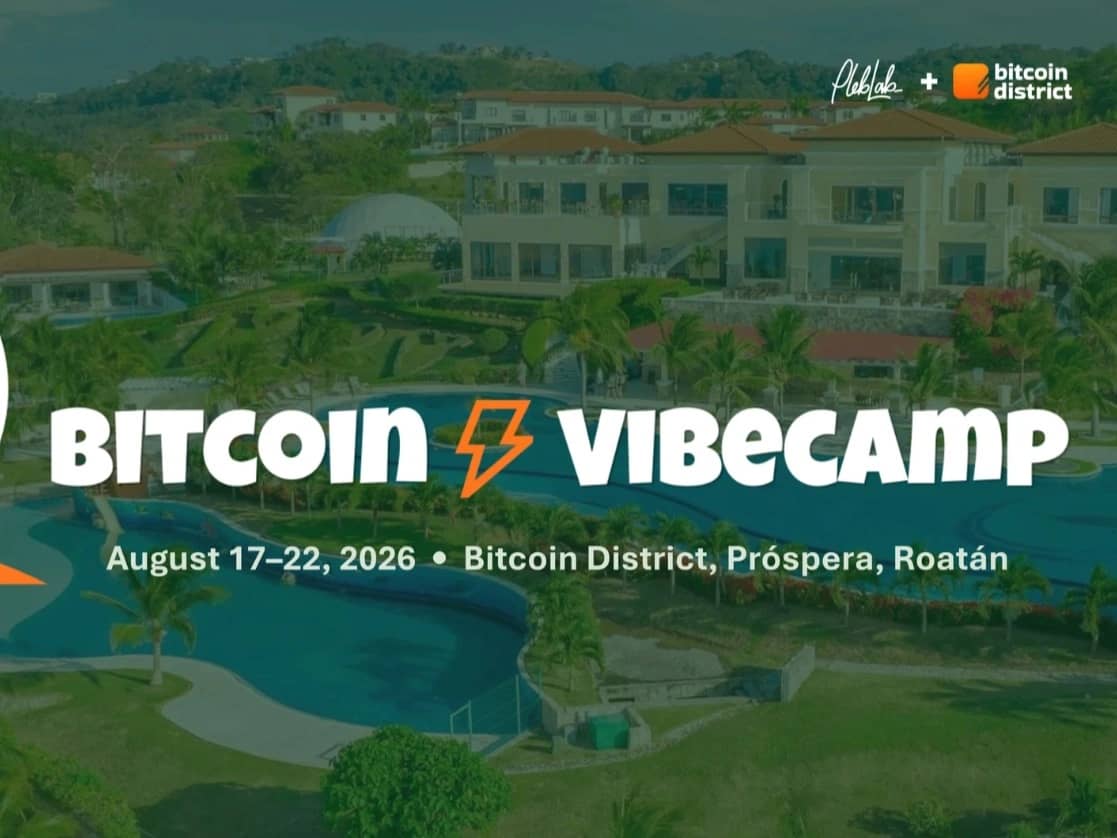
PlebLab과 The Bitcoin District가 공동 제작한 빌더 중심의 비트코인 해커톤 및 개발자 리트릿으로, 프로스페라(Próspera)의 비트코인 디스트릭트에서 개최됩니다. 코워킹, 스타트업 발표, 0.12 BTC 상금이 걸린 해커톤 등이 포함됩니다.
나카모토 데일리(Nakamoto Daily)는 시장, 기술 및 규제에 관한 데이터 기반 보도와 연구를 발행하는 독립적인 암호화폐 뉴스룸입니다. 또한 데이터 도구도 제공합니다...
라이트닝 네트워크는 오프체인 결제 채널을 통해 빠르고 저렴한 거래를 가능하게 하여 블록체인 확장성을 향상시키는 비트코인 레이어 2 솔루션입니다.
Accumulation Phase is a glossary term that describes the market-cycle stage after a downtrend when informed investors quietly build positions during a period of sideways price action, low volatility and reduced selling pressure.
The CLARITY Act is a proposed U.S. bill that would create a federal market-structure framework for digital assets, dividing oversight between the SEC and CFTC and setting rules for exchanges, custody and disclosures.
Breakout trading is a glossary term that refers to a trading strategy seeking to profit when an asset’s price moves decisively beyond an established support or resistance level, signaling the start of a new directional trend or strong price acceleration.
A crypto-backed mortgage is a home loan that allows homebuyers to use their cryptocurrency holdings as collateral for a down payment, enabling them to secure a mortgage without selling their assets and avoiding capital gains taxes.
Non-USD stablecoins are cryptocurrencies pegged to fiat currencies other than the US dollar, such as the Euro or Yen. They aim to reduce USD exchange rate volatility for regional users, enabling on-chain FX, cheaper remittances, and local payments.
Dollar-Cost Averaging (DCA) is a glossary term that describes an investment strategy of investing fixed amounts at regular intervals regardless of price to spread purchases over time and reduce the impact of market volatility.
Cross-chain swaps is a glossary term that refers to a mechanism for trading a token issued on one blockchain for a token issued on a different blockchain.
Public Ledger is a glossary term that describes a distributed record-keeping system that records cryptocurrency transactions, maintains account balances and ledger state, and enables verification via cryptography and consensus.
"Anon" is crypto and internet slang for a pseudonymous or anonymous participant in blockchain and Web3 ecosystems, rooted in earlier online and hacktivist cultures.
Trustless is a glossary term that describes systems where rules are enforced by code and decentralized consensus rather than by an institution, custodian, or counterparty.
Innovation Exemption is a regulatory exemption that allows limited, conditional trading of tokenized NMS stocks on permissioned on‑chain venues to enable observation, data collection, and to inform future SEC rulemaking.
Public Key is a glossary term that denotes a cryptographic value derived from a private key used to verify digital signatures and to derive blockchain addresses for receiving cryptocurrency and NFTs.
Immutability describes the property whereby data recorded on a blockchain or ledger cannot be altered or deleted after it has been confirmed, providing tamper-evident, append-only...
Whale accumulation is a glossary term that describes a pattern in which large cryptocurrency holders appear to be increasing their on-chain balances of an asset, providing context about supply concentration, exchange flows, and market participation.
Permissionless blockchain is a glossary term that describes a blockchain protocol accessible to anyone without gatekeepers or prior permission.
Self custody is a glossary term that means an individual controls their private keys and directly manages their cryptocurrency assets without relying on third‑party custodians.
On-chain data is information recorded directly on a blockchain — transactions, blocks, smart contract interactions, token transfers, and wallet balances — that the network validates and stores as a public, immutable ledger distinct from off-chain data.
Altseason is a glossary term that denotes a period when alternative cryptocurrencies (altcoins) significantly outperform Bitcoin, typically driven by capital rotation from BTC into altcoins and a decline in Bitcoin dominance.
Real World Assets (RWAs) are blockchain-based tokens representing traditional financial or tangible assets like real estate, bonds or carbon credits.
Synthetic assets, also known as crypto synths, are essentially tokenized derivatives. In traditional finance, derivative value is derived from an underlying ass...
Block Explorer is a search engine tool used for viewing and analyzing data associated with blocks, addresses, and transactions on a specific blockchain network.
A multi-signature wallet (multisig) is a cryptocurrency wallet requiring multiple signatures for each transaction, enhancing security by using multiple private ...
Candlesticks are charting tools used in crypto trading to visualize price movements, aiding in market analysis and trend prediction.
Digital Asset Basic Act is a glossary that describes a proposed South Korean framework law to define and regulate digital assets, exchanges, stablecoins, ICOs, issuance/disclosure rules, and market-conduct standards.
The Metaverse is an interconnected, immersive 3D virtual realm, merging the virtual and physical worlds, and allowing interaction, collaboration and exploration in real-time, often using blockchain, NFTs, and tokens to own and trade assets.
A 51% attack is a potential threat to blockchains, where a group controls over 50% of network hash power, theoretically allowing blockchain modification.
AI Coins are a type of cryptocurrency that blend blockchain technology with artificial intelligence, powering projects that advance or integrate AI solutions.
The Annual Percentage Rate (APR) is a yearly rate indicating the total cost of an investment, including interest and fees, expressed as a percentage.
Annual Percentage Yield (APY) is the compounded yearly return on an investment, often used in cryptocurrency and DeFi, yielding profits higher than APR.
SPL-20, abbreviated for Solana Program Library-20, stands as a standardized token format within the Solana blockchain ecosystem.
A bear market refers to a period when cryptocurrency prices are falling or expected to fall, often driven by investor pessimism and over-supply.
BEP-2 is a technical standard for the issuance and implementation of tokens on the Binance chain, defining rules for functioning in the BNB Chain ecosystem.
BEP-95 is a Binance Evolution Proposal that introduces a real-time burning mechanism of gas fees on BNB Chain to boost Tokenomics and decentralization.
BRC-20 is a Bitcoin-based token standard for Ordinals, enabling the creation, minting, and transfer of fungible tokens similar to Ethereum's ERC-20.
A bull market is a period of continuously rising asset prices, typically driven by a strong economy, high employment, and positive investor sentiment.
Decentralized Finance (DeFi) refers to a financial system using blockchain and smart contracts to offer transparent services without central authorities.
SOPHIA가 게시하거나 업데이트하는 모든 위키는 폴리곤 온체인에 실시간으로 서명됩니다.
위키 페이지: The Defiant 이(가) 업데이트되었습니다.
The Defiant is an independent online media company founded in 2019 that covers DeFi, Web3, and crypto markets through news, data, tutorials, podcasts, newsletters, and the premium DeFi Alpha subscription.
위키 페이지: Whitehat 이(가) 업데이트되었습니다.
White hat is a glossary term that denotes an ethical hacker who, with authorization, tests systems to find, document, and report vulnerabilities so they can be fixed.
새 위키 페이지: Whitehat 이(가) 생성되었습니다.
White hat is a glossary term that denotes an ethical hacker who, with authorization, tests systems to find, document, and report vulnerabilities so they can be fixed.
위키 페이지: Giwa 이(가) 업데이트되었습니다.
Giwa is an Ethereum Layer 2 blockchain built on the OP Stack by Dunamu Inc., parent company of South Korea's largest crypto exchange, Upbit.
위키 페이지: Gracy Chen 이(가) 업데이트되었습니다.
Gracy Chen is CEO of Bitget, a Seychelles-based "Universal Exchange" (UEX) that combines crypto and tokenized traditional assets, and a former TV host, startup founder, and angel investor.