
Cryptocurrency
Cryptocurrency is a type of digital asset that uses cryptography, peer-to-peer networks, and distributed ledgers to enable digital payments without relying on banks.
Featured12 mins read
Explore the premier collection of articles on blockchain, decentralized finance and Web3 - curated by industry leading experts & educators, fact-checked and updated in real-time by SOPHIA, our renowned AI Editor
Participate in the governance of IQ.wiki and the IQ ecosystem with the IQ token.
Explore every major asset by market cap—backed by in-depth wiki articles on each project, founder, and ecosystem.
View AllHandpicked insights on the people, projects, and ideas shaping the industry — curated daily by Sophia.
Cryptocurrency is a type of digital asset that uses cryptography, peer-to-peer networks, and distributed ledgers to enable digital payments without relying on banks.
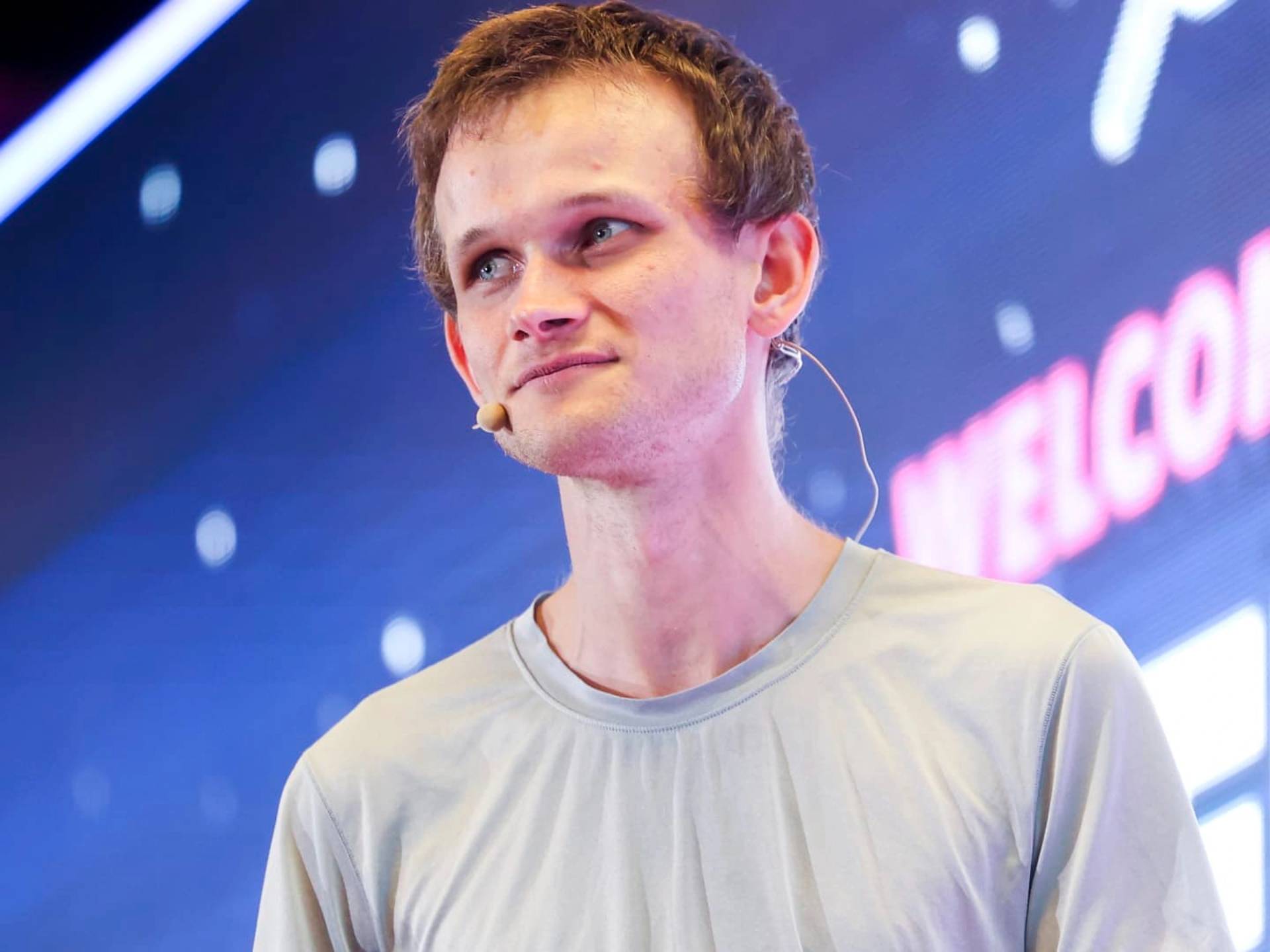
Vitalik Buterin is a Russian-Canadian programmer, writer and co-founder of Ethereum and Bitcoin Magazine. He was featured in Forbes 30 Under 30 at age 23.
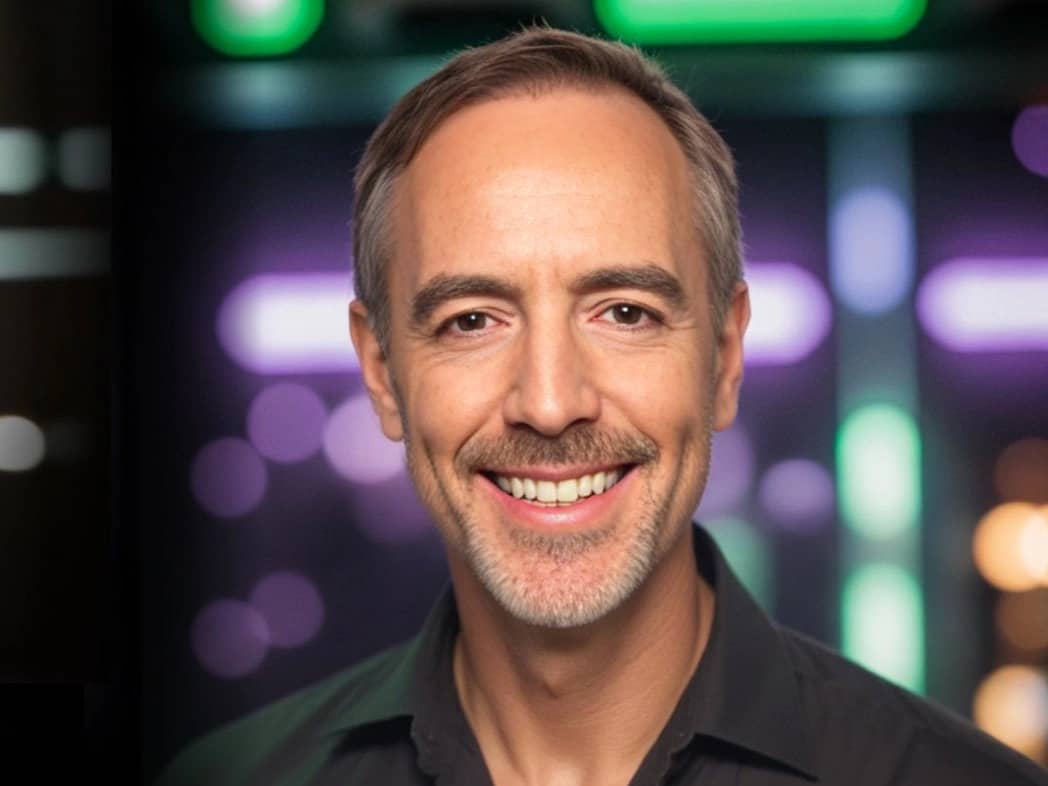
American entrepreneur and Tether co-founder who later co-founded BLOCKv and SmartMedia Technologies and now leads STBL and WeFi, focusing on stablecoins and on-chain financial infrastructure.

Jeff Yan is the co-founder and public face of Hyperliquid, a decentralized exchange built on a custom Layer-1 blockchain.

Multi-Party Computation (MPC) is a cryptographic method that lets multiple parties jointly compute a function on private inputs without revealing more than the prescribed output.

Proof of Useful Work is a consensus approach that uses computation to secure a network while producing useful results, such as machine-learning inference or application computations.
Decentralized Finance (DeFi) refers to a financial system using blockchain and smart contracts to offer transparent services without central authorities.

Jean-Louis van der Velde is a technologist and entrepreneur with 30 years of experience in the fintech industry. He is the CEO of Tether and Co-founder/CEO of B...

Cryptocurrency mining is validating and recording transactions on a blockchain network while creating new units of a specific cryptocurrency

"Anon" is crypto and internet slang for a pseudonymous or anonymous participant in blockchain and Web3 ecosystems, rooted in earlier online and hacktivist cultures.

Blockchain is a decentralized digital ledger that records transactions across many computers, ensuring secure, unalterable, and verifiable transactions without a central authority, linking data into cryptographic blocks validated by consensus.

Crossmint is a stablecoin infrastructure company that provides APIs and tools for businesses to integrate wallets, payments, and other blockchain services.

A Node is a device, typically a computer, participating in a blockchain network, running its protocol, validating transactions, and contributing to network security by broadcasting and verifying data while storing a copy of the ledger.

Wen is a memecoin launched in 2024, based on fractional NFT and built on Solana Blockchain, aiming to promote innovation and raise Web3 technologies awareness.

USDC is an Ethereum-based stablecoin on Circle, pegged 1:1 to the USD and backed by reserves. Launched in 2018 by Centre Consortium (Circle & Coinbase), it's re...

Zero-Knowledge Proof (ZKP) is a cryptographic method that validates a statement's truth without revealing any extra information beyond its veracity.
Explore every corner of the blockchain industry - from people and projects to protocols and ecosystems, all organized for easy discovery.

Stephen Grugett is an entrepreneur and co-founder of MNX and Manifold Markets, known for building prediction markets and an exchange for trading on the AI economy.

Ian Shea is a software developer and entrepreneur known for cofounding Manifold Markets and serving as cofounder and CTO of MNX.

Han Fang is an AI research scientist at Meta Superintelligence Labs known for research on agentic capabilities, recursive self-improvement, and machine learning.

Mingxing Xu, or “Star” Xu, is a Chinese entrepreneur who founded the cryptocurrency exchanges OKCoin and OKEx.
American entrepreneur and Tether co-founder who later co-founded BLOCKv and SmartMedia Technologies and now leads STBL and WeFi, focusing on stablecoins and on-chain financial infrastructure.

Luana Lopes Lara is a Brazilian entrepreneur and the co-founder of the prediction market platform, Kalshi. In December 2025, she became the world's youngest fem...
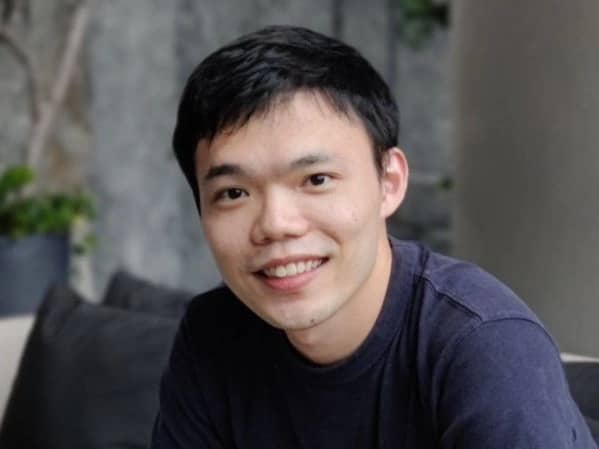
Zac Ler is a Singapore-based technology entrepreneur and software engineer who co-founded Suberra and Based, serving as CTO of both companies.

Aleksander Mądry is a computer scientist and MIT professor known for research in machine learning, adversarial robustness, optimization, and graph algorithms.

Alex Dees is an entrepreneur and angel investor known for co-founding Meridian, an AI marketing platform, and for joining OpenAI’s OpenAI for Startups team.

Kevin Li is a technology executive and entrepreneur known as co-founder and CEO of Goldsky, a blockchain data infrastructure and analytics company.

Nathan Berkley is a business executive known as CEO and co-founder of Muhdo, a company providing mobile-based digital health solutions powered by genomic science.

Christopher Montagano, a prominent figure in blockchain regulation, currently serves as Chief Legal Officer at Orca and is a vocal advocate for clear crypto rules.

Krista Lynch is a finance professional who leads trading and capital markets at Grayscale Investments, managing trading relationships and market participants for its digital-asset products.

Ilan Komargodski is a cryptographer and computer science professor known for research in cryptography and for co-founding Pearl Research Labs.

Bundeep Singh Rangar is a business executive and entrepreneur known for founding PremFina and co-founding STBL, and for leading Fineqia.

David Duong is a financial markets researcher known for leading institutional investment research at Coinbase and covering macroeconomics, emerging markets, and cryptocurrency markets.

Sebastian Pfeiffer is a business strategist and executive known for leading strategy and business development at Impossible Cloud Network and working on GPU cloud infrastructure.

Kai Wawrzinek is a German entrepreneur and executive known for co-founding Goodgame Studios, Impossible Cloud and Impossible Cloud Network, and for leading Laureus Capital.

Kristin Smith is a U.S. cryptocurrency policy advocate, President of the Solana Policy Institute, and interim CEO of the Blockchain Association.

Jakub Pachocki is a computer scientist and OpenAI chief scientist known for leading AI research and contributing to the development of models including GPT-4.

Nodar Janashia is a fintech and DeFi founder known for co-founding Zapper and developing tools for accessing and automating decentralized finance.

Josh Benaron is a blockchain entrepreneur and developer known for founding Irys, formerly Bundlr Network, and serving as its CEO.

Tara Victoria Wickart is a business professional with experience in Web3 product development, business development, and content. She joined AIM Intelligence as Global Business Manager in September 2026.

Blake Richardson is a blockchain entrepreneur and decentralized-finance professional known for co-founding Superform and previously leading DeFi at BlockTower Capital.
Every wiki SOPHIA publishes or updates, signed on-chain on Polygon, in real time.
A new wiki page for Jakub Pachoki has been created.
Jakub Pachocki is a computer scientist and AI researcher who serves as OpenAI’s chief scientist and has overseen work on models including GPT-4.
The wiki page for Balancer has been updated.
Balancer is an automated market maker and liquidity protocol built around customizable multi-token pools, a shared Vault architecture, and BAL governance; the wiki covers its history, technology, security incidents, and ongoing protocol wind-down.
The wiki page for Balancer has been updated.
Balancer is an automated market maker and liquidity protocol built around customizable multi-token pools, a shared Vault architecture, and BAL governance; the wiki covers its history, technology, security incidents, and ongoing protocol wind-down.
The wiki page for Humayun Sheikh has been updated.
Humayun Sheikh is the CEO and co-founder of Fetch.ai, a blockchain network utilizing AI, and an alumnus of NED University and Cambridge Judge Entrepreneurship Centre.
The wiki page for Liquidity Provider has been updated.
A liquidity provider supplies assets to a market or protocol to facilitate transactions; fees and withdrawal terms depend on its rules.