0% read

Vijit Katta

Vijit Katta

Introduction

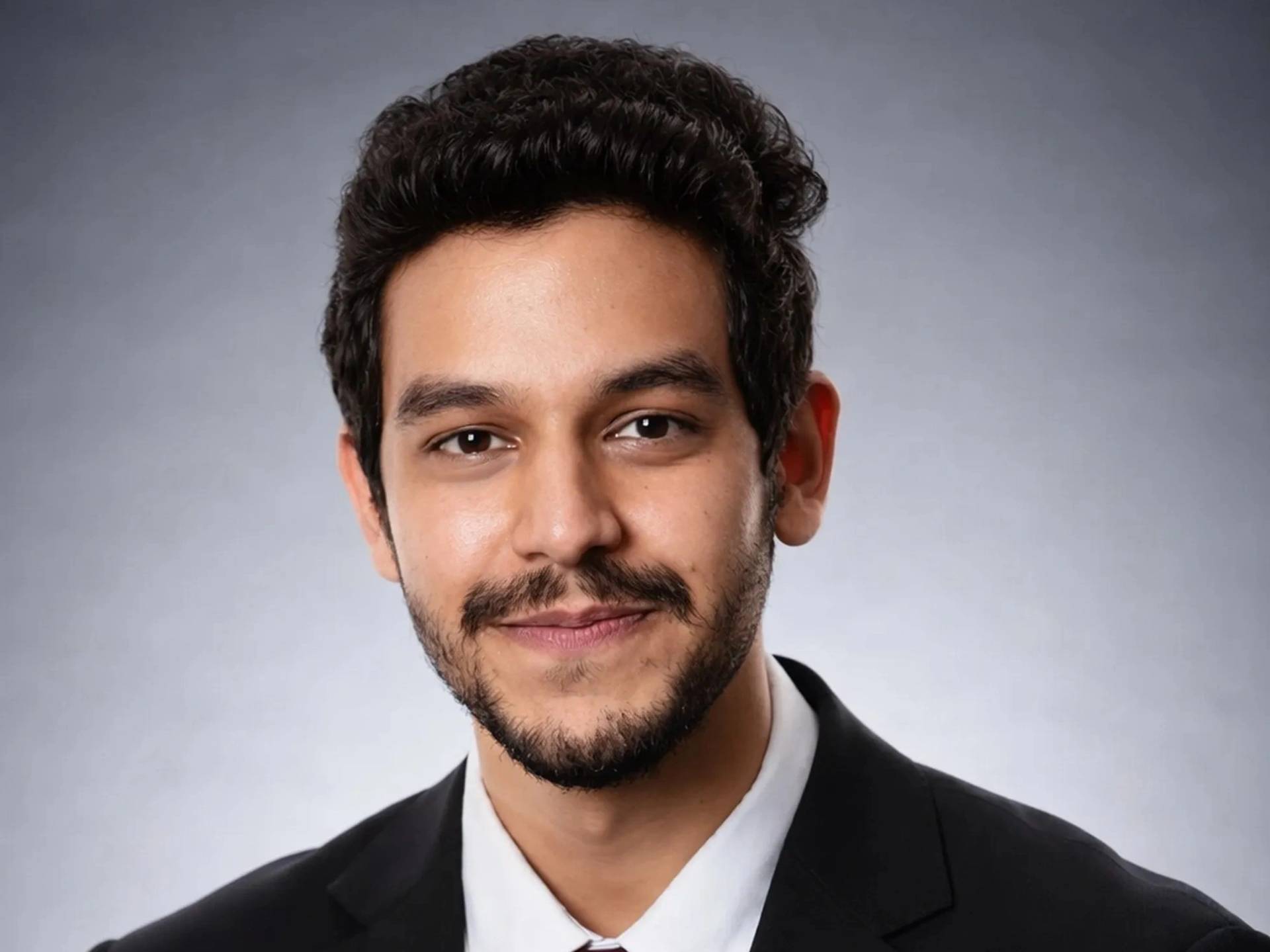
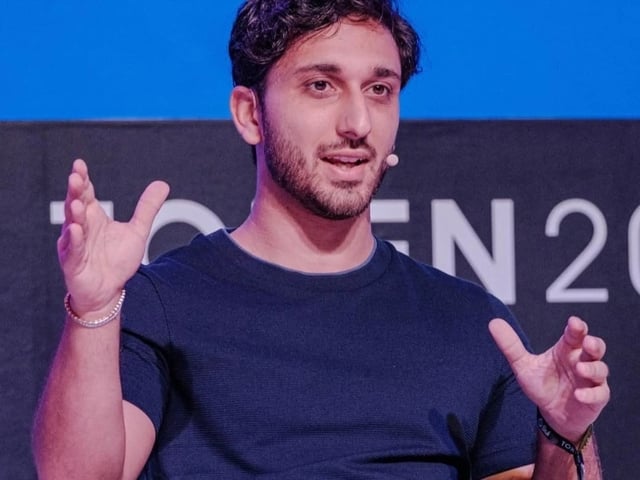
Vijit Katta is an entrepreneur in the space, primarily recognized as the Co-Founder and CEO of , a self-custodial crypto neobank. Based in New York, he has a background in technology and business strategy, with a career spanning entrepreneurship, commercial strategy roles, and early-stage investing. Katta holds a Bachelor of Engineering degree in Computer Science from BITS Pilani and an MBA from INSEAD, where he graduated between 2020 and 2021. [1] [2]

Early Life and Education

Vijit Katta completed his early education at BITS Pilani, earning a Bachelor of Engineering in Computer Science. [1] His academic journey continued at INSEAD, where he pursued a Master of Business Administration degree from 2020 to 2021. [2]

Career Before Tria

Before founding , Vijit Katta worked for more than a decade across entrepreneurship, commercial strategy, and early-stage investing. [1] Notable roles include building and leading Polygon's in-house startup accelerator, which supported early-stage blockchain projects. [3]

Katta founded a healthtech startup in Austria, as reported by Authority Magazine. [1]

He also held commercial strategy roles at GSK and AstraZeneca, where he led strategy for portfolios reported to exceed nine-figure valuations. [1]

Vijit served as an Entrepreneur in Residence at SanusX, working on potential new ventures, partnerships, and acquisitions. [3] [4]

Co-Founding of Tria

Vijit Katta co-founded (initially known as Threely) alongside Parth Bhalla. [3] is a self-custodial crypto neobank designed to provide global banking access. has said its use of self-custodial infrastructure helps it avoid licensing and regulatory barriers in some jurisdictions. [1]

As CEO, Katta has led Tria's efforts to provide self-custodial banking services. The company reported strong growth during its closed beta phase. [4]

Public Presence and Contributions

Vijit Katta is a contributing author for , a crypto-industry publication. [5]

In a May 2026 interview, he described 's mission in terms of providing global access to banking, noting that self-custodial infrastructure allows to avoid licensing and regulatory barriers traditional Web2 companies face across countries. [1]

He has written about how blockchain technology could affect cross-border payments and banking operations. [5]

See something wrong?

References (5 sources)

HomeCategoriesWiki MCEventsGlossary