0% read
Last updated:
Christine Moy
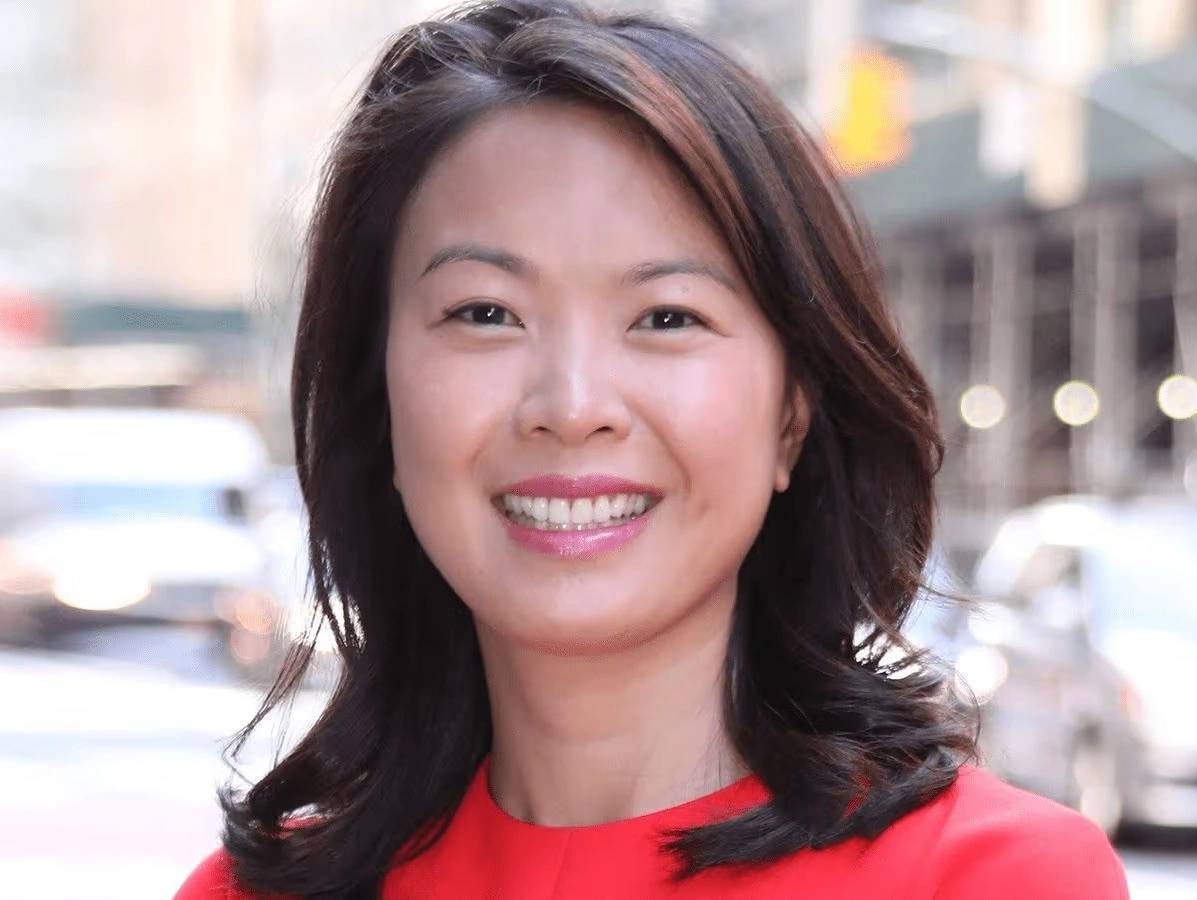
Christine Moy is a financial services executive focused on digital assets, blockchain infrastructure, and the integration of emerging technologies into institutional finance. Her career includes senior roles at JPMorgan, where she led blockchain and metaverse initiatives, and at Apollo Global Management, where she works on digital asset strategy and financial market modernization. [1]
Education
Moy attended Brown University, where she earned a degree in Comparative Literature. [2]
Career
Moy began her career at JPMorgan in 2003 within the Corporate & Investment Bank, working in syndicated loan trading as a documentation specialist focused on par and distressed loans. She later held roles in asset-backed securities origination and syndication, supporting auto and equipment finance transactions, before moving into commodities sales and marketing, where she worked across metals, energy, and coal markets. In 2012, she joined the firm's private bank division, focusing on product and platform development, management, and financial services innovation.
Beginning in 2016, Moy shifted her focus to emerging financial technologies as Global Head of Blockchain and Crypto at JPMorgan. In this role, she led initiatives involving blockchain applications, digital assets, tokenized payments, digital identity systems, digital collectibles, and other distributed ledger technologies. She also served as Global Head of Liink, a blockchain-based network designed to facilitate data sharing and cross-border information exchange among financial institutions. In 2021, she became the Global Head of Metaverse at Onyx by JPMorgan, overseeing initiatives related to virtual worlds and Web3 technologies, including projects exploring the use of blockchain-based digital environments in financial services.
In 2022, Moy joined Apollo Global Management as Partner and Head of Digital Assets, Data & AI Strategy. Her responsibilities include overseeing the firm's approach to digital assets, blockchain technologies, data strategy, and artificial intelligence initiatives. The role also involves evaluating investments in digital asset companies and exploring applications of emerging technologies across financial services and asset management. [3] [4]
Interviews
Institutional Migration
At the Vault Summit in June 2026, Moy participated in a fireside chat with Redwan Meslem focused on the migration of financial markets and institutions onto blockchain-based infrastructure. Drawing on her experience in both traditional finance and digital assets, Moy discussed the development of early blockchain-based financial applications, including tokenized deposits, intraday repo transactions, and other permissioned network models used within regulated financial environments. She argued that tokenization represents an initial step in a broader transformation of financial infrastructure, with the larger objective of creating on-chain systems that improve efficiency, liquidity, operational processes, and user experience compared with existing market structures.
Moy also examined the role of blockchain and artificial intelligence in modernizing capital markets and expanding access to private market opportunities. The discussion emphasized the importance of moving beyond technical experimentation toward practical applications that deliver measurable benefits for institutions and end users. She highlighted the challenges of balancing innovation with regulatory requirements and explored how permissioned, compliant blockchain architectures could support broader adoption in the financial sector. Overall, the conversation focused on the evolution of market infrastructure and the design of blockchain-based systems that operate within existing legal and regulatory frameworks while enabling new forms of financial activity. [6]

RWAs Done Right
At EthCC[9] in March 2026, Bhaji Illuminati of Centrifuge and Moy shared their insights on the progress and future of real-world asset (RWA) tokenization. Centrifuge, founded in 2017, pioneered asset tokenization by initially focusing on assets like music royalties, IP, and carbon credits, aiming to make them accessible on-chain. They developed on-chain structured products, such as private credit funds, and partnered with entities like Apollo to explore tokenizing existing funds and improving liquidity and utility through DeFi integrations. Moy, with her extensive experience at JP Morgan and Apollo, highlighted their efforts in blockchain innovation, including early implementations of permissioned Ethereum, stablecoins, and collateralized lending. Both emphasized that recent technological advancements had finally enabled commercial-scale, durable use cases, with institutions actively adopting on-chain solutions beyond prototypes. They expressed optimism that the convergence of traditional finance, DeFi, and regulatory compliance is creating an inflection point at which real-world assets are being effectively integrated into blockchain ecosystems, paving the way for scalable, long-term adoption. [7]

Onchain Credit Fund
In a May 2025 episode of Empire, Moy joined Carlos Domingo and Tarun Chitra to discuss the emergence of on-chain private credit and the broader tokenization of real-world assets. The conversation examined Apollo’s development of a tokenized private credit fund and how blockchain-based representations of traditional financial assets could expand access, improve liquidity, and create new forms of financial products. The speakers explored how tokenization enables assets to interact within blockchain-based financial systems, potentially reducing operational inefficiencies and increasing interoperability between different asset classes and market participants.
The discussion also focused on the technical and operational challenges involved in integrating traditional financial products with decentralized finance infrastructure, including liquidity management, risk controls, collateralization, and liquidation mechanisms. Moy emphasized the importance of established issuers, regulatory considerations, and robust risk-management frameworks in supporting institutional participation. Looking ahead, the speakers considered how tokenization could extend beyond credit products to include equities, private investments, and other asset classes, potentially reshaping the way financial assets are issued, accessed, and managed in digital markets. [8]

See something wrong?
Official Website:
Social Profiles: