0% read
Max Howell
Max Howell
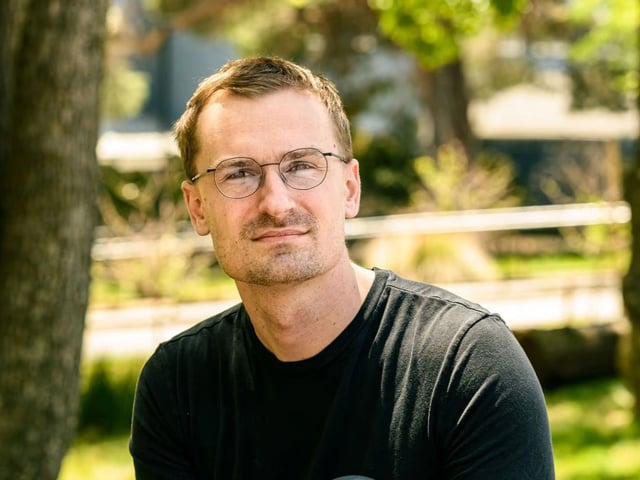
Max Howell is a software engineer and entrepreneur known for creating Homebrew, a widely used open-source package manager for macOS and Linux. He is the Chief Open Source Officer (COSO) of Tea, a decentralized protocol designed to improve the sustainability of the open-source software ecosystem. [5]
Career
Howell began his career as a Lead Desktop Developer at Last.fm from 2007 to 2010, where he worked on desktop software development. From 2010 to 2012, he served as Lead Mobile Developer at TweetDeck, focusing on mobile application development. He later worked as an iOS Instructor at Mobile Makers Chicago and as Chief Technology Officer at Popular Pays between 2014 and 2015, while also serving as a Senior Xcode Developer at Apple from 2014 to 2015. From 2016 to 2018, Howell was Chief Technology Officer at Codebase SAGA, followed by a role as Chief Product Officer at MyHealthily from 2019 to 2021. In November 2021, he joined Tea as Chief Open Source Officer (COSO), where he helped develop a protocol to create incentives and sustainability mechanisms for open-source software contributors. [2]
Presentations
Fixing Broken Incentives
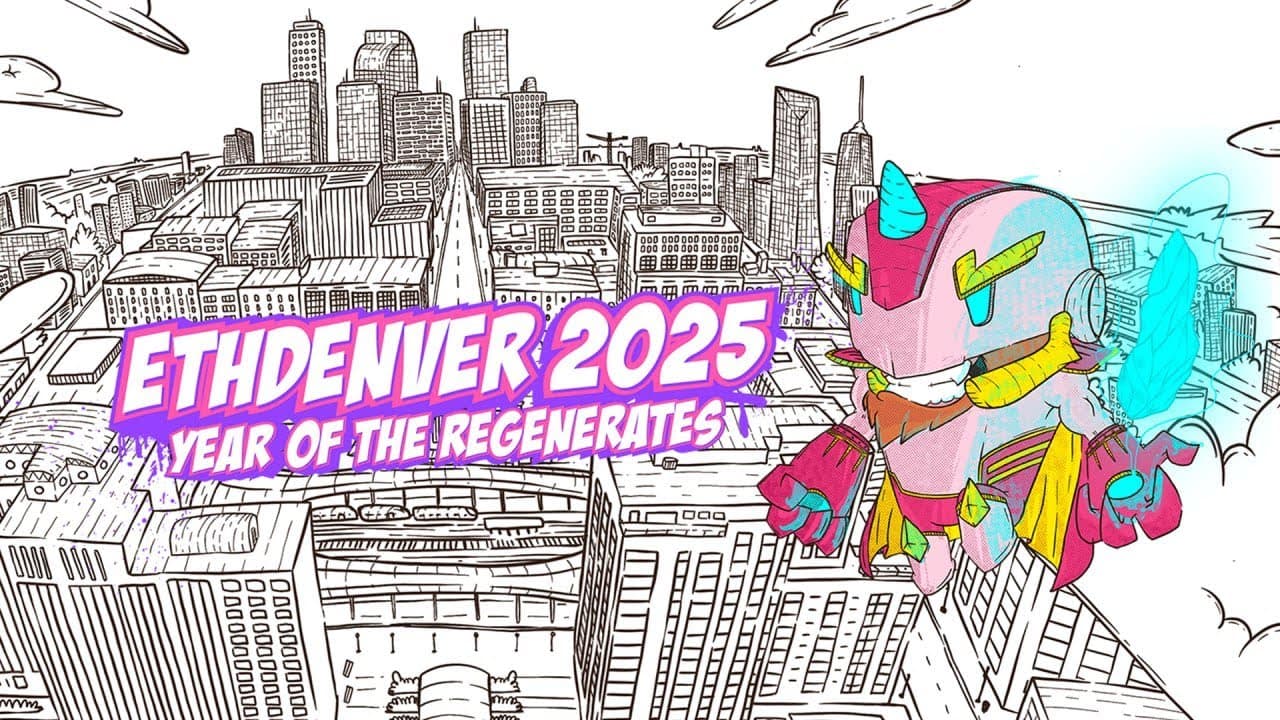
At ETHDenver 2025 in February, Howell reflected on his early experiences developing open-source projects, illustrating how initial passion often led to personal sacrifice due to a lack of sustainable funding, a phenomenon he termed the "Nebraska problem." Despite open source’s crucial role in building modern digital infrastructure worth trillions, developers frequently earned little or nothing for their efforts, often maintaining critical yet thankless projects that compromised the internet's security and stability. Howell emphasized that existing funding models were insufficient, noting that efforts such as donations, bounties, and Patreon campaigns fell short of supporting full-time open-source work. To address this, Tea Protocol was launched to fix these broken incentives by leveraging blockchain technology to reward contributors, establish on-chain governance, and incorporate reputation data through innovative tools such as GPG-signed commits, which recognized and rewarded past contributions. Additionally, Howell introduced new tools and platforms—such as Package X and developer-centric utilities—aimed at improving open-source tooling and packaging ecosystems. Ultimately, his vision was to create a sustainable economic model that ensures open-source creators are fairly rewarded for their vital contributions, thereby reinforcing the foundation of digital infrastructure. [3]
Tea Protocol
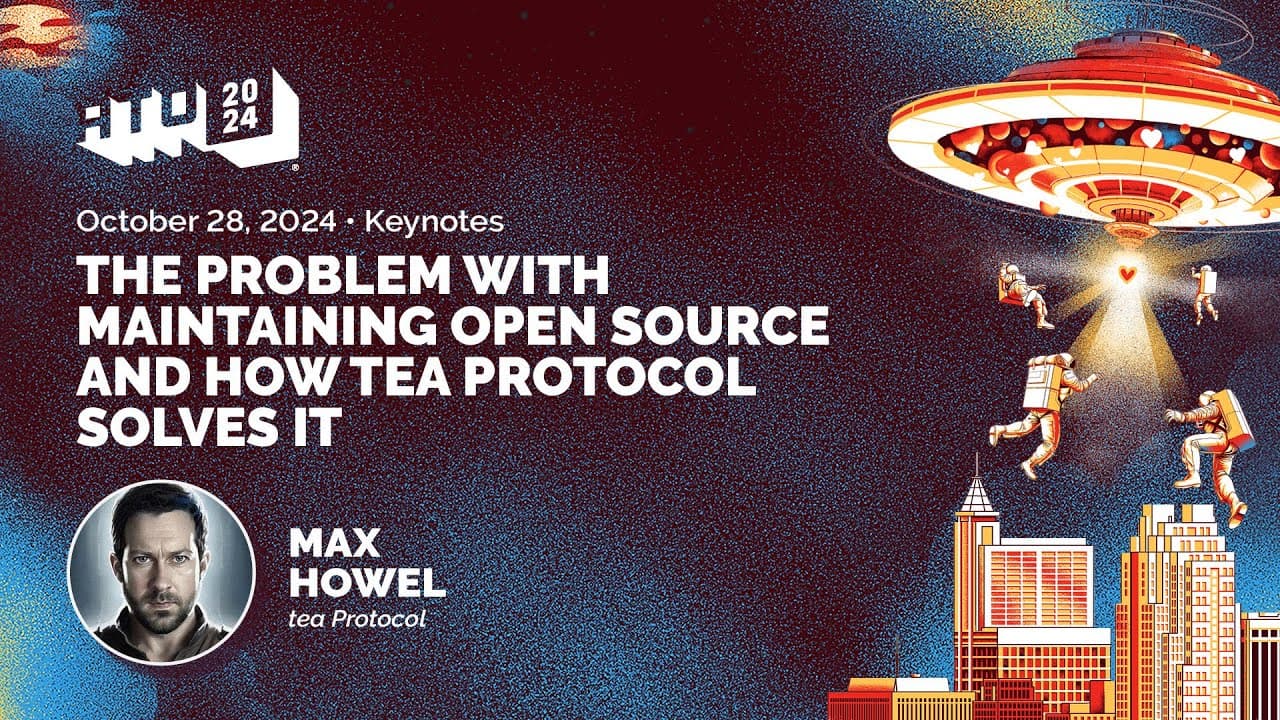
In an All Things Open keynote in November 2024, Howell recounted his personal experience with developing Homebrew, highlighting the challenges of maintaining open-source projects that become foundational to the internet, such as Core.js and FFmpeg, which often suffered from lack of funding and recognition. He explained how open source, despite its critical role in powering much of the technology we rely on, remained underfunded and undervalued, leading to burnout among maintainers and increased security risks. Howell emphasized that traditional charity-based funding approaches were ineffective and introduced the idea of leveraging cryptocurrencies and blockchain technology to address the "Nebraska problem"—the neglect and undercompensation of open-source contributors. He and his team developed Tea Protocol, a Web3 project that incentivized open-source maintenance by awarding tokens based on impact metrics calculated by their on-chain oracle, Chai, which assessed the significance of open-source projects. Their system enabled transparent governance and new economic models for open source, encouraging sustainable contributions without altering the fundamental nature of open source development. Howell shared that their testnet had attracted over 1.7 million users and 177,000 projects, and they planned to launch fully soon, inviting community feedback to improve impact calculations and sustainability efforts. [4]
See something wrong?

Average Rating
No ratings yet, be the first to rate!
How was your experience?
Give this wiki a quick rating to let us know!
Edited By
On July 16, 2026. 16:59 UTC
Edit summary:
Updated content: added 10 hyperlinks and changed events (4 -> 4 items)