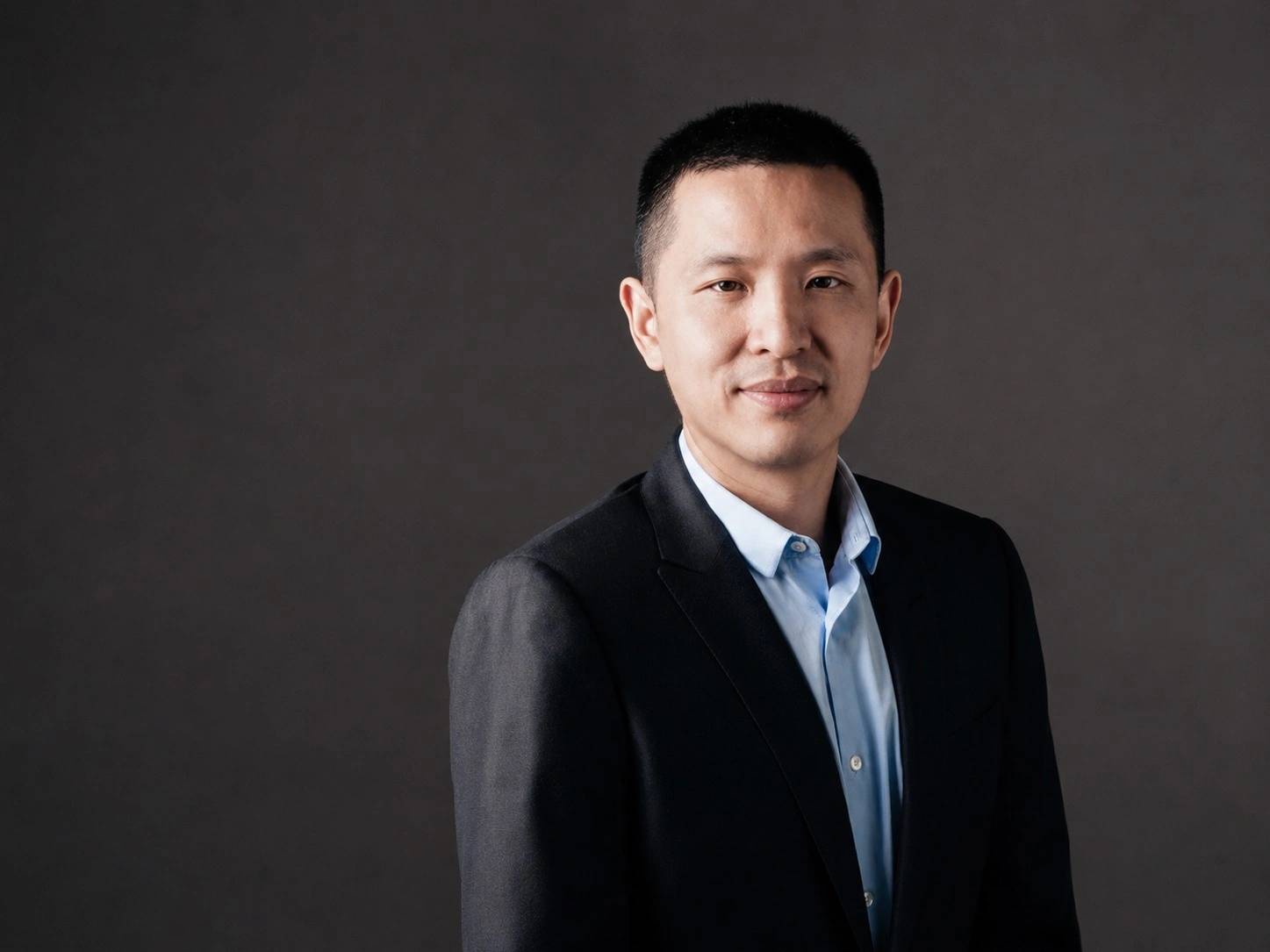
George Cao
George Cao is a co-founder and former CEO of AscendEX, formerly known as BitMax, a centralized cryptocurrency exchange notable for bridging CeFi and DeFi services. George Cao's career transitioned from a robust background in traditional finance, having served roles in quantitative trading and risk management at established institutions, to becoming a prominent figure in the cryptocurrency industry. His efforts have focused on fostering innovation through blending centralized and decentralized financial models to enhance user experience and expand market access[1]. [2]
Early Life & Education
George Cao completed his undergraduate studies in Computer Science at the University of Science and Technology of China. Following this, he pursued a PhD in Computer Science from the University of Chicago. His academic journey equipped him with a comprehensive understanding of technological advancements, which subsequently influenced his transition into the financial sector and, eventually, the crypto industry. [2] [7]
Career
Transition from Traditional Finance
George Cao began his professional career in the financial sector, holding investment management and portfolio management positions before entering the cryptocurrency industry. From August 2008 to July 2010, he worked as a Portfolio Manager at Knight Capital Group. He later joined Barclays Investment Bank, where he served as a Portfolio Manager between August 2010 and November 2012.
In January 2013, Cao became Chief Investment Officer and General Manager at Delpha Capital Management, LLC, a position he held until February 2018. During this period, he also co-founded Whitestone Investment Fund and served as a founding partner from April 2015 to July 2017. His work during these roles focused on investment management and quantitative trading.
AscendEX
In 2018, George Cao co-founded AscendEX with Ariel Ling and became the company's Chief Executive Officer. He remained in the role until May 2022, when he transitioned to Chairman of the Board, a position he has held since June 2022.
AscendEX operates as a centralized cryptocurrency exchange that incorporates features associated with both centralized finance (CeFi) and decentralized finance (DeFi). The platform offers trading services for more than 200 cryptocurrencies and provides products including staking, margin trading, and derivatives.
The exchange's business model includes centralized trading infrastructure together with services related to decentralized finance. It has also introduced products involving cross-chain functionality and digital asset trading.
By 2025, AscendEX reported more than 3 million registered users and approximately $1 trillion in cumulative transaction volume.
In July 2026, reports indicated that AscendEX had ceased operations following regulatory challenges, including the implementation of the European Union's Markets in Crypto-Assets Regulation (MiCA). The reported shutdown was associated with liquidity constraints and delays in processing customer withdrawal requests.
In addition to his executive responsibilities, Cao has participated in industry events and public discussions concerning cryptocurrency, financial markets, and blockchain technology. [1] [2] [3] [4] [5] [6] [7]
Interviews
Interview on Cryptocurrency Exchanges #01
In an interview published on the CoinGecko YouTube channel on January 21, 2020, George Cao discussed the creation of BitMax, his background in quantitative trading, and his views on the cryptocurrency exchange sector.
During the interview, Cao stated that his experience trading in traditional financial markets influenced the decision to establish BitMax after encountering technical limitations, high transaction costs, and operational constraints on cryptocurrency exchanges in 2017. He said these conditions shaped the exchange's initial design and development.
Cao described the founding team as being composed of individuals with professional experience in financial institutions, with backgrounds in trading, risk management, software development, and capital markets. He also discussed BitMax's use of stablecoin transaction mining during its early stages, explaining that the mechanism was introduced to support exchange activity and was later discontinued as the company adjusted its operating model and expanded its focus toward institutional market participants.
The interview also covered BitMax's planned business direction at the time. Cao stated that the company intended to expand into regulated jurisdictions, including the United States and Canada, while introducing additional trading products such as derivatives and margin trading. He also discussed product development efforts aimed at simplifying access to certain financial instruments.
Regarding industry trends, Cao stated that BitMax did not intend to develop a proprietary blockchain, explaining that the exchange's activities were centered on trading infrastructure rather than blockchain network development.
Cao also presented his outlook on the cryptocurrency exchange industry, stating that increased regulatory requirements could lead to market consolidation. According to his assessment, smaller exchanges could cease operations or merge with other platforms over time, while a smaller number of regulated exchanges would continue operating as the sector evolved.
BitMax Transaction Mining Model #02
On September 6, 2018, George Cao appeared on the BlockchainBrad YouTube channel to discuss BitMax's transaction mining model and the exchange's operational framework. During the interview, he explained that the platform's token economy combined trading fee rebates in BTMX tokens with a revenue-sharing mechanism that allocated 80% of trading fee revenue to BTMX holders.
Cao described BitMax's operational structure as consisting of exchanges serving different jurisdictions, including Asia, Canada, and the United States. According to his explanation, this structure was intended to separate cryptocurrency trading services from regulated fiat services in North America while enabling asset transfers between the platforms.
The interview also covered the exchange's revenue model. Cao stated that BitMax planned to generate income from multiple sources, including trading fees, market data products, and infrastructure services such as colocation, rather than relying exclusively on listing fees or trading commissions.
Regarding transaction mining, Cao discussed issues such as token supply management, wash trading, and market manipulation. He stated that BitMax intended to address these matters through measures including token lock-up mechanisms, trading surveillance systems, and restrictions on large token sales. He also indicated that the transaction mining model was planned as an initial stage before transitioning to a conventional exchange fee structure.
Security practices were another topic of discussion. Cao described a security framework that included third-party security audits, wallet management procedures, insurance coverage for hot wallets, and internal controls for asset custody. He also stated that the platform monitored trading activity to identify transactions that could indicate market manipulation or self-trading.
The interview also addressed governance and project listings. Cao stated that token listings were initially reviewed by an internal committee composed of team members, advisors, and investors. He added that BitMax planned to introduce community participation in governance over time while maintaining internal review procedures.
Throughout the interview, Cao outlined BitMax's planned operational structure, regulatory approach, transaction mining model, revenue sources, security practices, and governance framework as they were described at the time of the interview. [9]