0% read
Last updated:
Cosmo Jiang
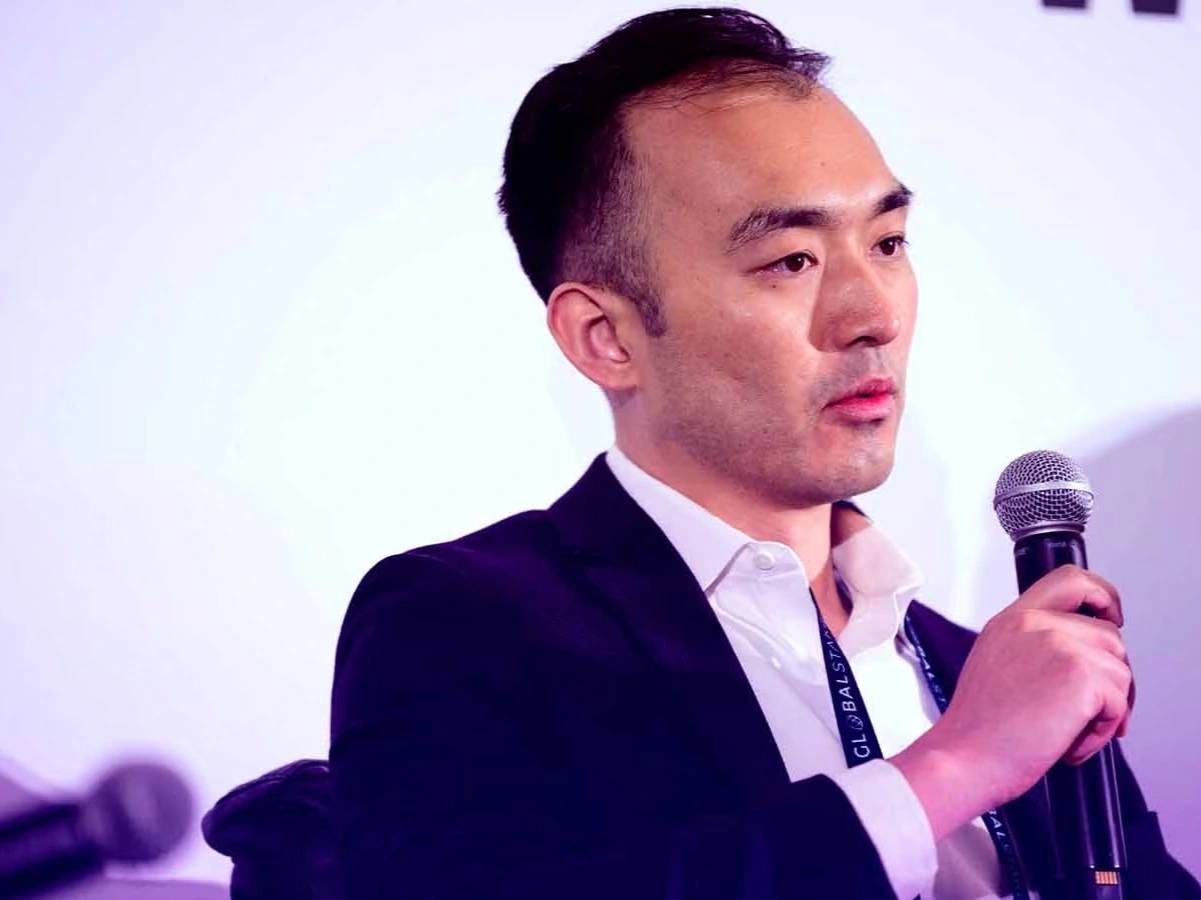
Cosmo Jiang is a General Partner at Pantera Capital, where he plays a pivotal role in the investment strategies across the cryptocurrency ecosystem. Recognized for his influence in the world of digital assets, Jiang leads initiatives focused on decentralized finance (DeFi) and Web3 infrastructure. His background includes experience in traditional finance and digital assets, which provides him with a comprehensive understanding of both worlds and contributes significantly to his strategic decisions and leadership at Pantera Capital. [2]
Early Life & Education
Cosmo Jiang attended Harvard University, where he completed an A.B. in Applied Mathematics with a secondary in Statistics. He also attended Cupertino High School. His academic studies focused on applied mathematics and statistics. [3]
Career
Early Career
Cosmo Jiang began working in investment banking at Evercore Partners, where he served as an M&A Analyst in New York from 2011 to 2013. From 2013 to 2015, he worked at Apollo Global Management LLC as a Private Equity Associate, also in New York. During the same period, he served as a Board Advisor at CEC Entertainment, which served as a basis for later work with digital assets.
Hitchwood Capital
From 2015 to 2022, Jiang worked at Hitchwood Capital Management LP as Managing Director. Based in New York, the firm operated as a long/short equity hedge fund with a focus on Consumer, Internet & Media. Jiang's responsibilities included investments in the Consumer and Internet sectors.
Nova River
Jiang became Managing Partner at Nova River in 2022. The firm operates as a digital assets hedge fund, and Jiang continues to hold the position.
Pantera Capital
Jiang joined Pantera Capital in 2023 as General Partner and Portfolio Manager. His responsibilities include overseeing liquid token strategies alongside Dan Morehead.
His work at Pantera Capital includes investment activities involving digital assets, blockchain technology, and digital currencies. Jiang was also involved in the launch of the S&P Pantera Digital Asset Index, which tracks digital assets based on economic criteria.
Jiang has discussed Digital Asset Treasury companies (DATs) and their role in providing public market exposure to crypto, including discussions with Tom Lee.
His investment approach includes fundamental analysis and a long-term perspective on digital asset investments. His work has included evaluating opportunities involving blockchain technology and applications that combine blockchain with artificial intelligence.
Solana Company
In September 2025, Jiang joined the Board of Directors of Solana Company, a digital asset treasury company focused on acquiring and holding Solana (SOL). The company is listed on Nasdaq under the ticker HSDT.
Public Appearances
Jiang has participated in discussions concerning digital asset management, investment strategies, and the relationship between traditional finance and the crypto industry. He has appeared on CNBC in connection with these topics, including discussions involving blockchain and artificial intelligence. [1] [2] [3] [4] [5] [6] [7] [8]
Interviews
Digital Asset Treasuries and Blockchain Finance #01
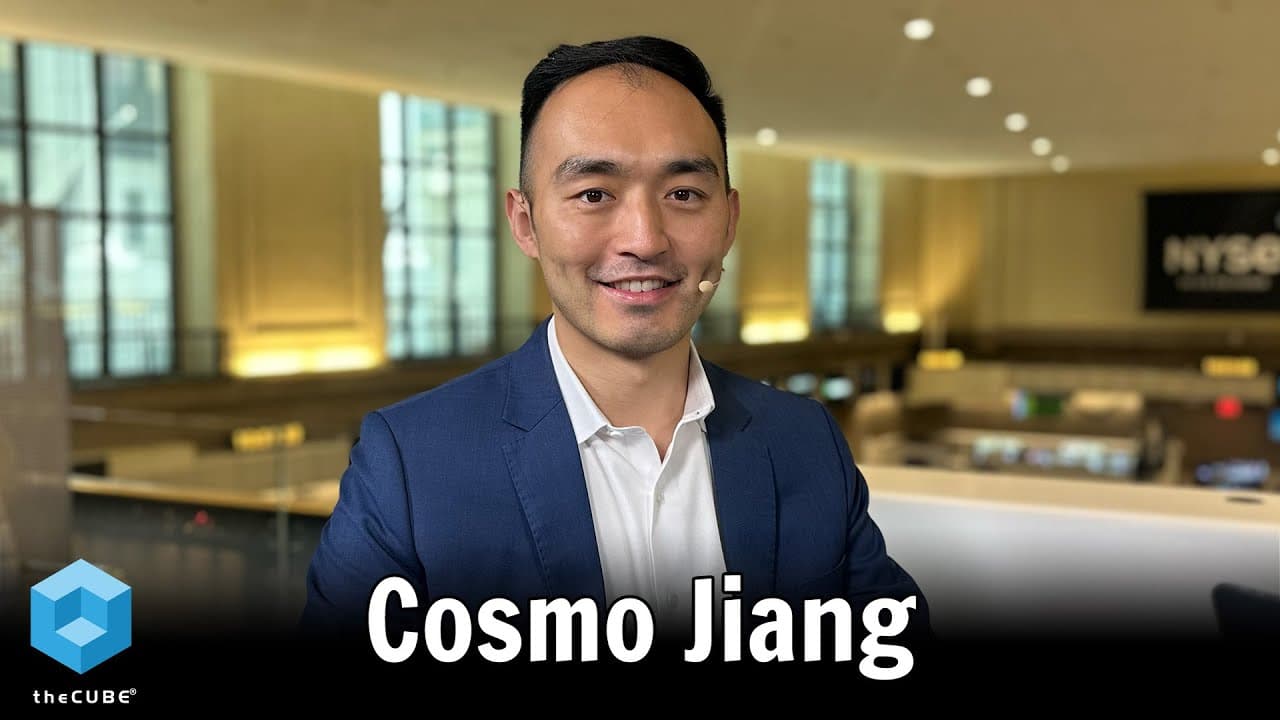
On September 23, 2025, Cosmo Jiang, General Partner at Pantera Capital, participated in an interview with John Furrier on theCUBE as part of the NYSE Wired Crypto Trailblazers series. The discussion covered Digital Asset Treasuries (DATs), Solana, blockchain infrastructure, interoperability, decentralized physical infrastructure networks, and the relationship between blockchain companies and traditional financial markets. According to Jiang, DATs represent a structure through which publicly traded entities can hold and manage digital assets on behalf of shareholders.
Jiang described Pantera Capital's involvement in DATs, including its investment in DFDV and its participation in the creation of Helius HSDT, a Solana-focused DAT. At the time of the interview, Helius HSDT had raised more than $500 million. Jiang explained that DATs can provide access to digital assets through public securities, particularly for investors whose investment activity is primarily conducted through traditional brokerage accounts.
The discussion also addressed Solana's use as financial infrastructure. Jiang characterized the network in terms of transaction speed, transaction costs, and accessibility, contrasting these characteristics with certain existing financial systems. He cited the ability to access blockchain networks through a mobile device and an internet connection as a factor that could allow individuals without traditional banking or credit-card access to participate in digital financial services.
Jiang discussed the development of blockchain ecosystems in terms of users, developers, and applications. He identified payments, stablecoins, tokenization, and social applications as areas in which blockchain networks are being used. He also stated that multiple blockchain networks are expected to continue operating simultaneously, with network effects, developer tools, and existing user bases influencing the choice of infrastructure. Interoperability was discussed as a means of reducing the need for users to interact directly with the technical differences between individual networks.
Blockchain transparency was another topic addressed during the interview. Jiang contrasted on-chain data, which can be publicly viewed and recorded on the network, with financial information in traditional markets that may require access to commercial data services. He described blockchain-based transparency as relevant to the management and monitoring of digital asset treasuries.
The interview also covered decentralized physical infrastructure networks (DePIN). Jiang cited Hivemapper as an example of a project that uses blockchain-based incentives to coordinate the collection of mapping data from individual drivers. He stated that the network had mapped approximately 40% of the world's roads over the preceding two years and that its mapping data was being used commercially, including by Lyft in the United States.
Jiang further discussed the use of DATs as actively managed investment structures. In the case of Helius HSDT, Pantera Capital was described as the asset manager, with activities including staking Solana, participating in decentralized finance, and managing the company's capital structure to acquire additional Solana. These activities were presented as distinct from simply holding the underlying asset directly.
The conversation concluded with the relationship between blockchain companies and public capital markets. Jiang cited the public listings of Circle and Figure during 2025 and the launch of Helius HSDT as examples of blockchain-related companies and financial structures entering public markets. He also discussed Coinbase's addition to the S&P 500 in April 2025, arguing that the inclusion placed digital-asset exposure within the benchmark considerations of professional portfolio managers.
Overall, the interview presented Jiang's perspective on the development of Digital Asset Treasuries, the use of Solana as blockchain infrastructure, the expansion of blockchain applications beyond digital assets, and the increasing interaction between blockchain-based businesses and established financial markets. [8]
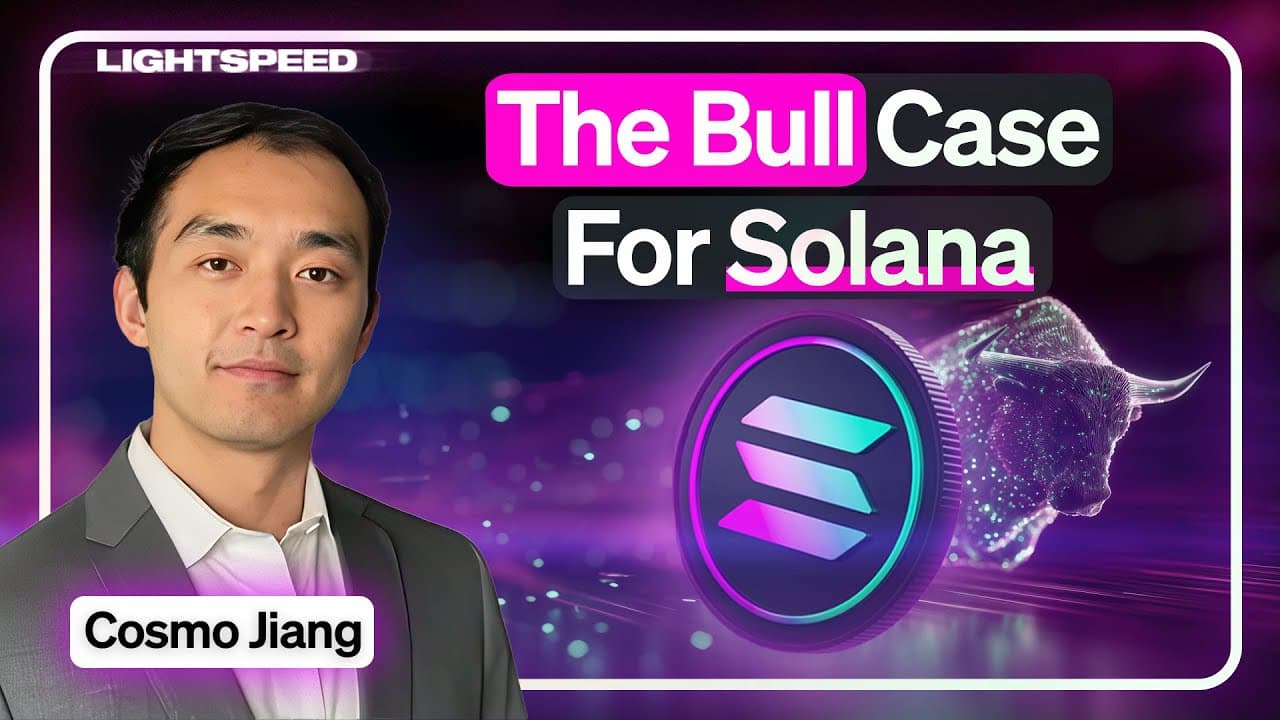
Solana Digital Asset Treasuries #02
On September 23, 2025, Cosmo Jiang appeared on the Lightspeed podcast to discuss digital asset treasury (DAT) companies and Pantera Capital’s involvement in the sector, including the establishment of a Solana-focused treasury strategy through Helius Medical Technologies. Jiang described DATs as public companies that hold digital assets on their balance sheets and seek to generate returns through activities such as staking, decentralized finance (DeFi), and capital markets transactions. He compared their financial structure to balance-sheet-based financial institutions, where valuations can be influenced by the returns generated from underlying assets.
Jiang outlined several mechanisms through which a Solana-focused DAT could seek to increase SOL holdings per share. These included staking, participation in DeFi activities, and the use of capital markets transactions to raise additional funds. He also discussed the effects of corporate taxation and the need to consider the relationship between potential yield and associated risks when deploying assets through DeFi strategies.
The discussion also addressed competition among Solana DATs. Jiang stated that he expected the sector to eventually develop around two or three larger companies, with consolidation potentially occurring as companies that cannot generate returns above their cost of capital lose competitiveness. He also described DATs as entities that can operate alongside blockchain foundations, with different functions and incentives. According to Jiang, foundations generally focus on ecosystem development, while DATs can pursue investment and capital allocation activities with the objective of generating returns for shareholders.
Jiang also discussed the role of mainstream investor participation in the development of Solana-focused treasury companies. He said that Pantera intended to communicate information about Solana to institutional and retail investors outside the cryptocurrency sector. In his view, broader investor participation could increase the amount of capital directed toward the Solana ecosystem and expand the range of potential uses for capital deployed through its DeFi markets. [9]
See something wrong?
Average Rating
No ratings yet, be the first to rate!
How was your experience?
Give this wiki a quick rating to let us know!
Edited By
On August 14, 2026. 08:37 UTC
Edit summary:
Added new wiki Cosmo Jiang