0% read
Last updated:
Shiv Shankar
Shiv Shankar is a technology executive and entrepreneur focused on blockchain infrastructure and zero-knowledge (ZK) cryptography. He is the Chief Executive Officer (CEO) of Boundless Network, a universal ZK protocol and decentralized ZK compute marketplace that connects applications to GPU-based ZK provers for verifiable execution across multiple blockchains. Boundless links applications to a network of GPU-powered ZK provers with capacity for 400 trillion compute cycles per day.[5] Boundless launched its mainnet on Base with a Proof of Verifiable Work incentive mechanism that rewards provers based on the volume, speed, and complexity of their computations, extending verifiable compute across multiple blockchains.[6] Shankar previously served as Chief Technology Officer (CTO) at RiscZero, where he played a key role in developing its Zero-Knowledge Virtual Machine (ZKVM).[1]
Education
Shiv Shankar holds a Master of Science in Computational Finance and Risk Management from the University of Washington (2021–2024) and a Master’s degree in Economics from Purdue University (2019–2021). He completed undergraduate studies in Computer Engineering at the National University of Singapore (2007–2011) and also studied Business Administration at KTH Royal Institute of Technology (2007–2011). Shankar attended St. James' School in India, where he completed the Indian School Certificate Examinations (1994–2007).[4]
Career
Shiv Shankar's career is rooted in database systems and spans both traditional technology and blockchain sectors. He began in software engineering and leadership roles at Microsoft (October 2011 – May 2014), Lookout (May 2014 – July 2015), Grab (July 2015 – January 2017), Amazon (February 2017 – May 2018), and Lyft (June 2018 – July 2021), gaining experience in building markets for both physical and digital goods. His transition into the Web3 ecosystem included a role at Coinbase (July 2021 – June 2022), where he led engineering teams focused on country-specific launches and QR code advertising, followed by a position at Ava Labs (June 2022 – December 2023), supporting the Avalanche (AVAX) blockchain and its Layer 1 protocol.
Shankar then joined RISC Zero, where he served as Vice President of Engineering (December 2023 – November 2024), Chief Information Officer (November 2024 – May 2025), and briefly as Chief Executive Officer of Boundless within RISC Zero (May – June 2025). In these roles he oversaw product and engineering teams and contributed to the development of the company's ZKVM technology. In June 2025, he founded Boundless Network as a universal ZK protocol and decentralized ZK compute marketplace, building a network of GPU-backed ZK provers that connects applications to chain-agnostic verifiable compute with capacity for 400 trillion compute cycles per day for use across multiple blockchains.[5] Under his leadership as Chief Executive Officer, Boundless launched its mainnet on Base and introduced the Proof of Verifiable Work mechanism, which rewards provers according to the volume, speed, and complexity of the ZK computations they perform to deliver verifiable compute across chains.[6] Earlier in his career, he also founded Credit Mobile (January – July 2010), a micro-finance startup, and held a student leadership role at the National University of Singapore (June – December 2008).[1][2][3][4]
Media Appearances
Talking Tokens Podcast
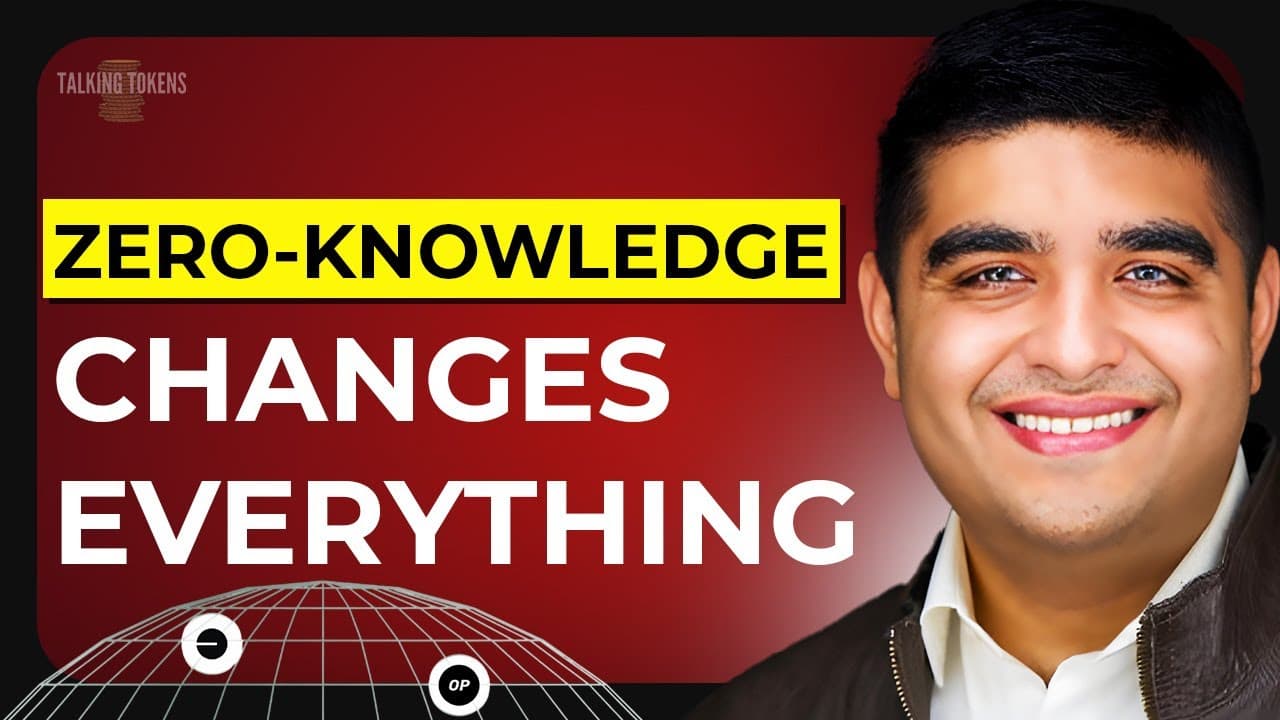
In September 2025, Shiv Shankar was featured on Talking Tokens, where he discussed his work as CEO of Boundless, a protocol for verifiable compute across multiple blockchains powered by RISC Zero's zkVM technology. He explained the role of zero-knowledge (ZK) proofs in enhancing privacy, scaling applications, and enabling cross-chain interoperability. During the episode, Shankar also described the launch of Boundless’ mainnet beta on Base with support from the Ethereum Foundation, and the use of proof-of-verifiable-work to reduce costs and improve user experience.[2]
Seed Club
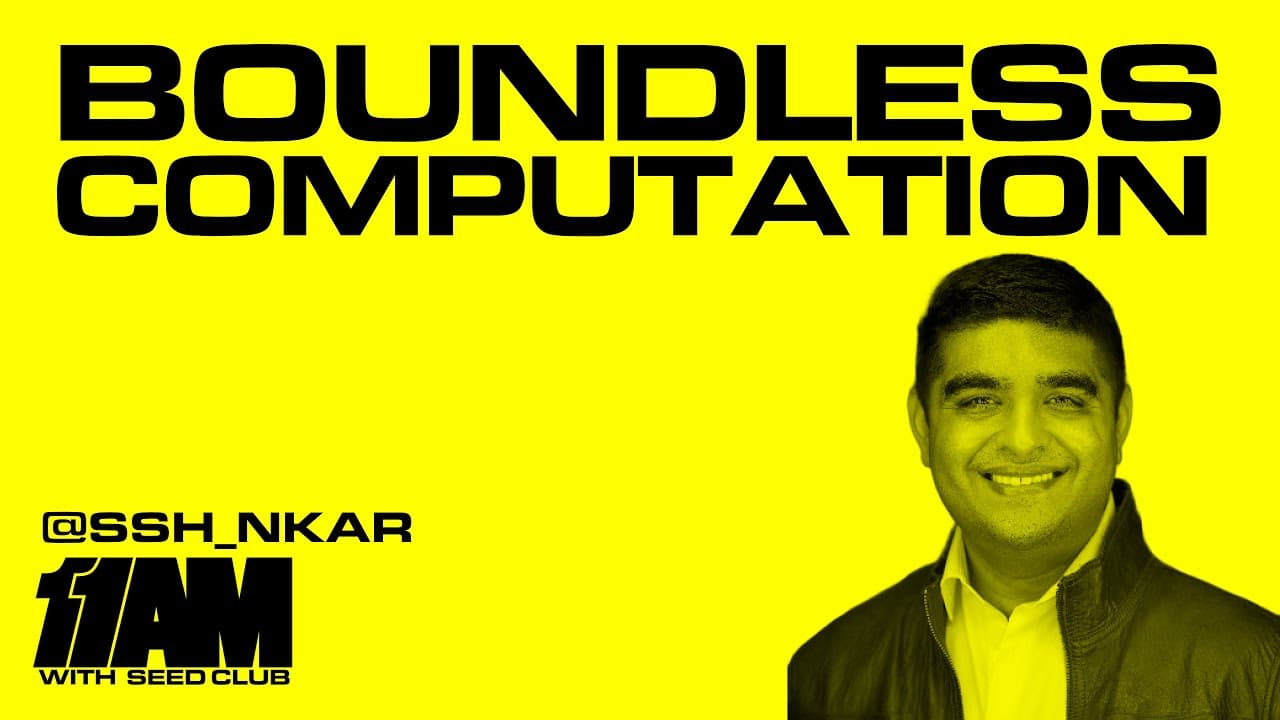
Shankar also appeared on the Seed Club podcast 11 AM w/ Seed Club. In the episode, they discussed Boundless's technology, which uses a ZKVM (Zero-Knowledge Virtual Machine) to allow developers to write zero-knowledge programs in high-level languages like Rust, making the technology more accessible.
See something wrong?
Average Rating
No ratings yet, be the first to rate!
How was your experience?
Give this wiki a quick rating to let us know!
Edited By
On September 5, 2026. 00:05 UTC
Edit summary:
Expand Shiv Shankar wiki summary by 128 words; update tags