Peter Gray
Peter Gray is a business development and partnerships professional whose career has spanned cybersecurity, enterprise technology, decentralized finance, and blockchain infrastructure. He currently serves as Business Development Manager for Origin DeFi at Origin Protocol, a blockchain company that develops decentralized finance products and digital asset infrastructure. [1]
Education
Gray graduated from Tulane University with a Bachelor of Science in Management and Marketing in 2017. He also studied the same field at the University of Queensland in 2016. [2]
Career
While attending Tulane University, Gray held a variety of entrepreneurial, marketing, and leadership roles, including positions with the American Marketing Association, the Tulane University Club Paintball Team, and Sigma Chi Fraternity. He also operated an independent textbook resale business and completed internships in technology, sales, marketing, and business development with organizations including TripleLift, Greenshoot EdTech, Terrapinn, and Luxury Lighting Direct.
Following graduation, Gray began his professional career in the cybersecurity and enterprise technology sectors. He worked as a Security Consultant at Palo Alto Networks from 2017 to 2019, advising organizations on cybersecurity solutions, before joining Forescout Technologies as an Inside Sales Representative. In 2020, he moved to VMware, where he served as an Account Marketing Manager focused on the company's VeloCloud SD-WAN networking platform.
In 2021, Gray entered the blockchain industry as Integrations and Partnerships Manager at Alkemi Network, where he worked on ecosystem partnerships and protocol integrations. He joined Origin Protocol in July 2022 as Business Development Manager for Origin DeFi, the company's decentralized finance division. At Origin Protocol, he has focused on partnership development, ecosystem growth, and business initiatives related to the firm's blockchain-based financial products, including decentralized finance and yield-generating digital asset solutions. [3]
Interviews
Unlocking DeFi with OUSD & OETH
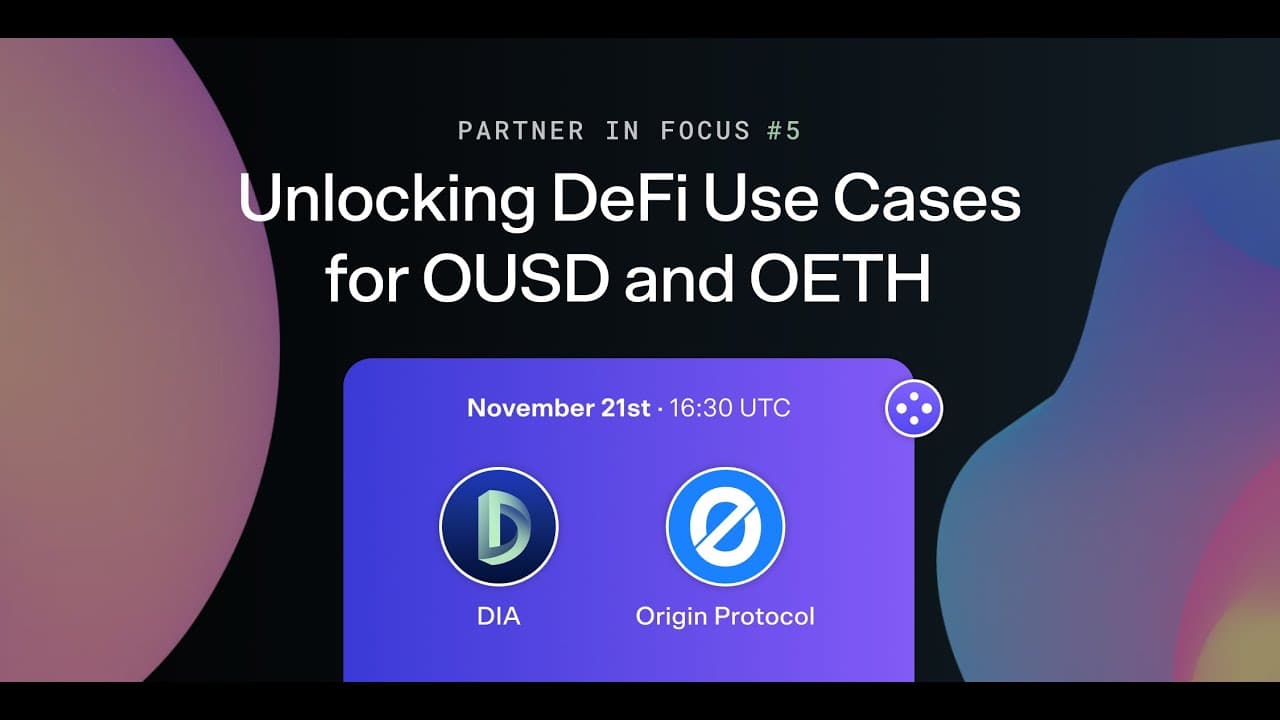
In a December 2023 interview with DIA Oracles’ Dillion Hanson, Gray discussed the development of Origin Protocol’s DeFi product suite and its collaboration with DIA on oracle infrastructure. Gray outlined his entry into the crypto industry through early exposure to Bitcoin in 2013 and described his current focus on business development and ecosystem growth at Origin Protocol, including expanding integrations and partnerships across decentralized finance.
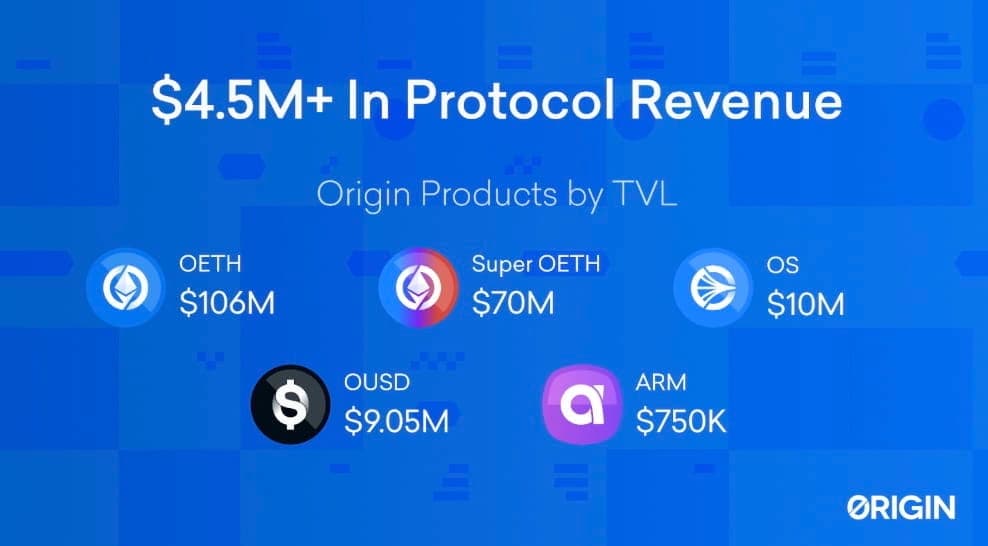
He explained that Origin’s product strategy had evolved over time before consolidating around its core yield-bearing assets, OUSD and OETH. OUSD is backed by stablecoins such as USDC and USDT and generates yield through deployment across DeFi protocols, while OETH is backed by ETH and liquid staking derivatives, offering similar yield with flexible liquidity and no lock-up periods. Gray also highlighted the governance structure supported by the OGV token, which allows participants to influence protocol decisions and share in yield generation. He further discussed risk management considerations for OETH collateral selection, including liquidity, total value locked, and unwind efficiency, as well as ongoing efforts to enhance integrations, yield strategies, and oracle-driven pricing accuracy through collaboration with DIA. [4]
Presentations
MIP87
In October 2022, Gray participated in a MakerDAO presentation alongside Origin Protocol co-founder Josh Fraser and Head of Business Development Andra Nicolau, where the team presented MIP87 and related proposals focused on decentralized yield generation for MakerDAO. The discussion outlined a long-standing collaboration between Origin and MakerDAO and centered on using PSN funds to generate protocol revenue through decentralized finance strategies. The team presented Origin Dollar (OUSD) as a fully collateralized stablecoin backed primarily by assets such as DAI and USDC, which generates yield through rebasing mechanisms and deployment across DeFi protocols. They emphasized the protocol’s focus on decentralization, security, and risk management, including audit practices and a stated AAA security rating. The proposal included an initial allocation of $100 million in OUSD from MakerDAO, along with incentives structured through governance tokens (OGV) to align long-term interests between the two ecosystems. The presentation also addressed broader considerations, including adoption challenges, macroeconomic risk factors, and the need for deeper liquidity and exchange integrations. Overall, the discussion framed OUSD as a mechanism for generating sustainable onchain yield while reinforcing MakerDAO’s principles of decentralization, capital efficiency, and secure financial infrastructure within the DeFi ecosystem. [5]