Nitin Gaur
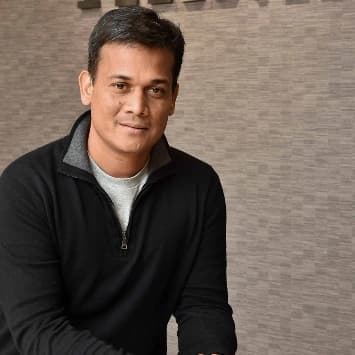
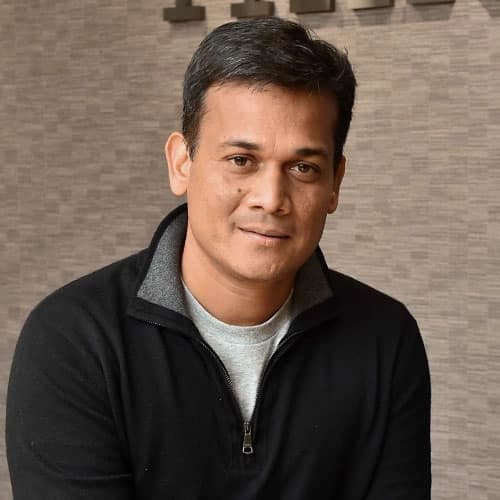
Nitin Gaur is a technology executive focused on digital assets, blockchain infrastructure, and the convergence of traditional finance and decentralized systems. His career has included leadership roles at IBM, State Street, DTCC, and Nethermind, where he has worked on tokenization, market infrastructure, and institutional adoption of blockchain technologies. [7]
Education
Gaur graduated from the University of Maryland with an MS in Management Information Systems in 1999 and an MBA in Finance in 2010. [1]
Career
Gaur began his career at IBM in 1999 as a software engineer within IBM Global Services before moving into the IBM Software Group. Between 2005 and 2013, he held a series of technology strategy and architecture roles focused on middleware infrastructure, cloud computing, enterprise software, and digital transformation initiatives for large organizations. During this period, he advised clients on cloud adoption, application infrastructure, emerging technologies, and enterprise technology strategy. In 2013, he became Founding CTO of IBM Mobile Payments and IBM Cloud, where he worked on mobile payment technologies, digital commerce infrastructure, and strategies for financial institutions, payment networks, and technology providers. He subsequently served as founder of IBM Blockchain Labs from 2014 to 2018, establishing one of IBM’s early enterprise blockchain initiatives and working on blockchain applications in payments, financial services, and regulated industries.
From 2018 to 2022, Gaur led IBM’s digital asset initiatives as Founding Director of IBM Digital Asset Labs while also serving as Chief Technology Officer of IBM World Wire, a blockchain-based cross-border payments network. His work focused on tokenized assets, stablecoins, central bank digital currencies, digital payment infrastructure, and regulatory frameworks for enterprise blockchain adoption. In parallel, he served on advisory bodies including the advisory board of the Stanford Future of Digital Currency Initiative and the advisory board of Credits Blockchain & Smart Contracts. In 2020, he became the Director of IBM Financial Sciences and Digital Assets, leading research efforts in financial technology, blockchain, artificial intelligence, and quantitative financial systems. During this period, he also founded and led client-facing digital asset and blockchain initiatives within IBM.
Alongside his work at IBM, Gaur served as Head of Research and Technical Advisor for Portal Asset Management from 2018 to 2024, focusing on digital asset investment research and technical analysis. In 2022, he joined State Street as Global Head of Digital Asset and Technology Design, where he worked on digital asset infrastructure, tokenization, custody models, settlement systems, and the integration of blockchain technologies into financial market operations. In 2024, he founded LedgerLink.ai, a platform focused on connecting enterprise systems with digital asset infrastructure, and also became Senior Advisor for Digital Assets at The Depository Trust & Clearing Corporation (DTCC), advising on digital asset strategy, tokenized capital markets, stablecoins, market structure, and the convergence of traditional and decentralized finance. In late 2025, he joined Nethermind as Senior Advisor for Financial Institutions, where he has worked on modernizing financial market infrastructure, digital asset systems, and regulatory-compliant technology architectures for institutional clients. [2]
Interviews
TradFi to DeFi
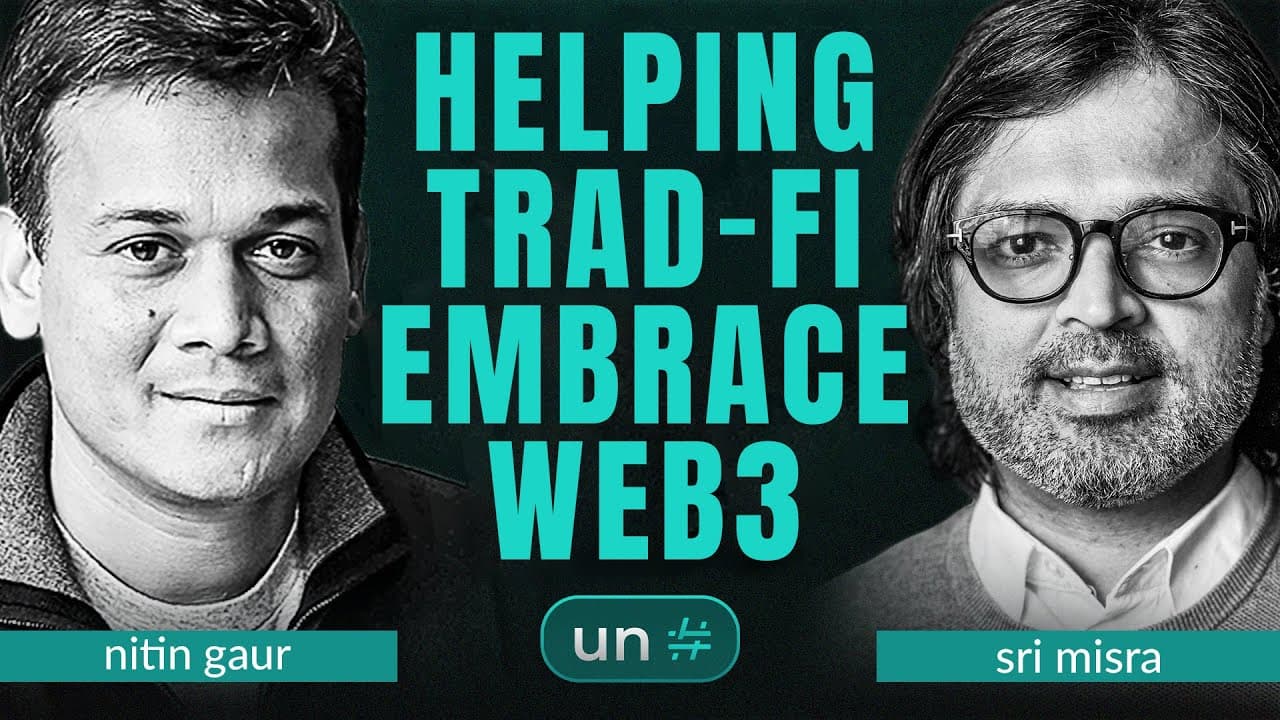
In a February 2025 interview on the un# podcast, Gaur discussed how his platform served as middleware, bridging traditional financial infrastructure and blockchain-based digital assets. Drawing from his extensive experience at State Street and IBM, he explained LedgerLink's role in facilitating seamless asset tokenization, custody, and integration within core banking, treasury, and risk management systems. His insights highlighted the challenges financial institutions face in scaling digital assets, including custody, settlement, and compliance, which LedgerLink aimed to address by creating an orchestration framework. Gaur emphasized the potential transformative impact of DeFi on existing financial markets, envisioning a future in which on-chain settlement, tokenization, and decentralized operations could replace legacy intermediaries, leading to greater efficiency, transparency, and broader participation. He also touched on evolving technology primitives like MEV and consensus mechanisms, the importance of multi-chain ecosystems, and the regulatory environment's influence, concluding with optimism about the industry's rapid innovation and the gradual shift towards a more decentralized financial landscape. [3]
Future of Finance
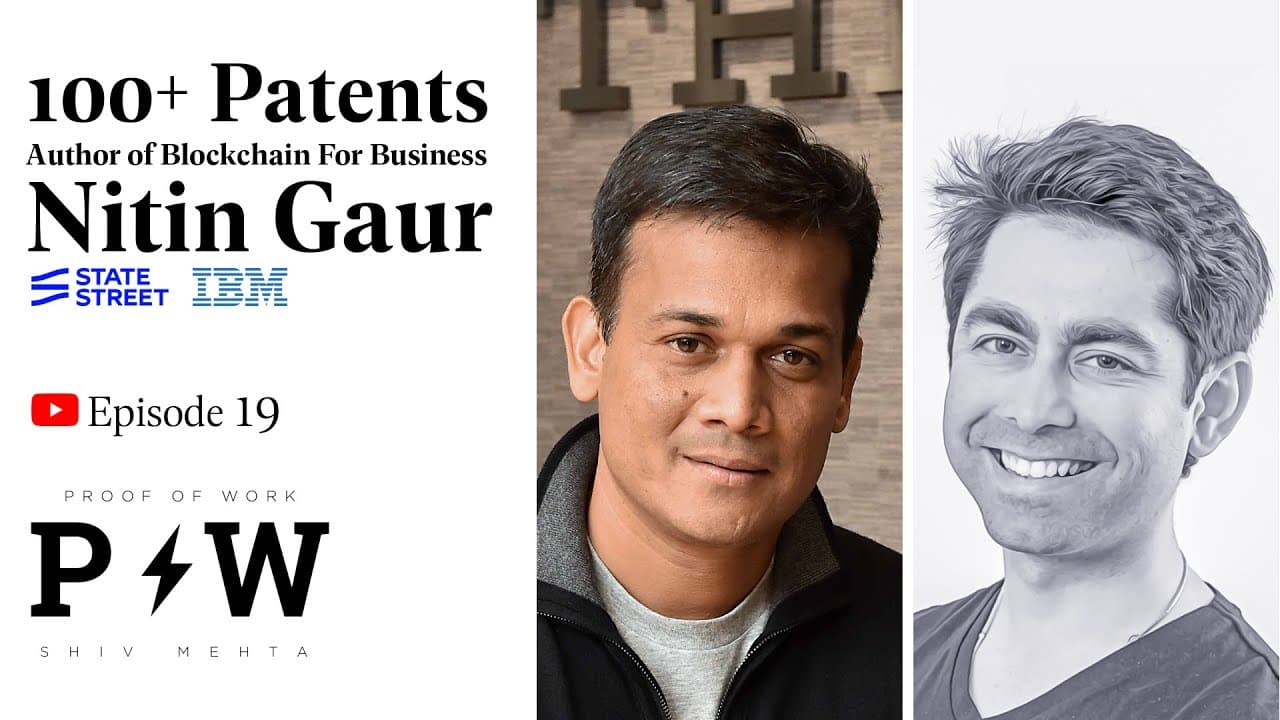
In a November 2023 interview on the Proof of Work podcast with Shiv Menta, Gaur shared his extensive journey in blockchain, emphasizing his early fascination with Bitcoin and Ethereum, and his contributions through over 170 patents spanning frontier technologies such as blockchain, AI, and data science. He highlighted the importance of innovation driven by client interactions, creative problem-solving, and IBM’s culture of incentivizing patents, which shaped his inventive process. Gaur discussed the convergence of blockchain with AI and IoT, envisioning applications in finance, supply chain, urban planning, and asset tokenization, especially in emerging economies like India. He reflected on the technological advances in India, such as the successful implementation of UPI and real-time settlement systems, and contrasted them with stalled projects abroad, such as Australia’s ASX blockchain. Gaur elaborated on the challenges and opportunities in crypto regulation, emphasizing the need for transparency and anti-money laundering controls to balance innovation and security. He recounted his personal “aha” moment when he understood blockchain’s power to democratize value, similar to information on the internet, leading him to see blockchain as an egalitarian platform for assets. Throughout, he stressed the importance of timing in innovation, the shifting culture of tech giants, and the significance of risk-taking, education, and embracing one's roots as essential traits for future entrepreneurs and professionals. His insights painted a vision of a connected, trust-anchored digital economy with immense potential, tempered by the realities of regulation, cultural shifts, and technological maturity. [4]
Embedded Custody
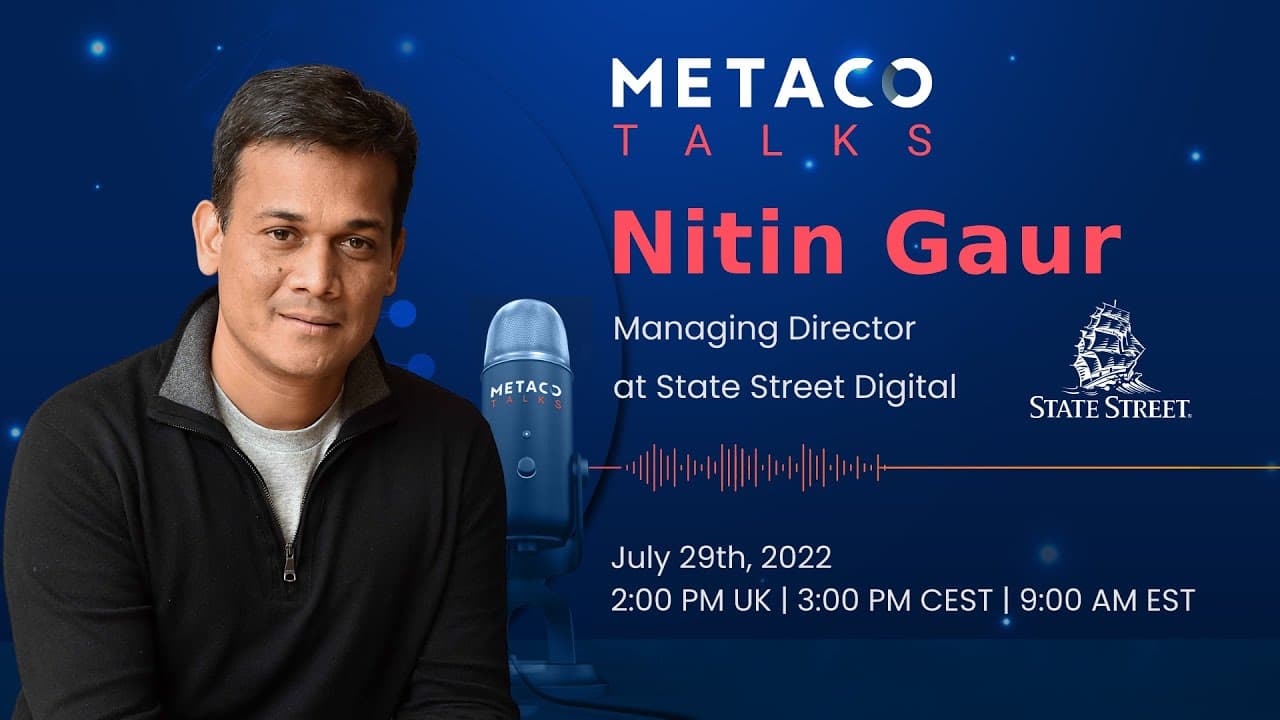
In an August 2022 interview on Metaco, Gaur shared his insights on the evolution from digitization to tokenization within financial markets. He highlighted that over the past decade, efforts to digitize traditional financial systems had laid a foundation, but the industry was now transitioning to asset tokenization to create more efficient, transparent, and inclusive markets. Gaur emphasized that as blockchain and Distributed Ledger Technology (DLT) began to flatten existing market structures, challenges related to operational complexity, regulatory compliance, and data management emerged, necessitating new infrastructure and market frameworks. He underscored the importance of custody, asset tokenization, and data insights in building a trustworthy digital ecosystem, advocating for gradual modernization by tokenizing real-world assets while maintaining existing functions. Gaur also discussed the potential of decentralized finance (DeFi) and stablecoins to democratize access and bridge traditional finance and innovative financial primitives. Overall, he saw the evolution as an opportunity for legacy institutions like State Street to lead the creation of resilient, efficient, and inclusive digital financial markets, balancing innovation with prudence and regulation. [5]
Panels
Institutional Ethereum
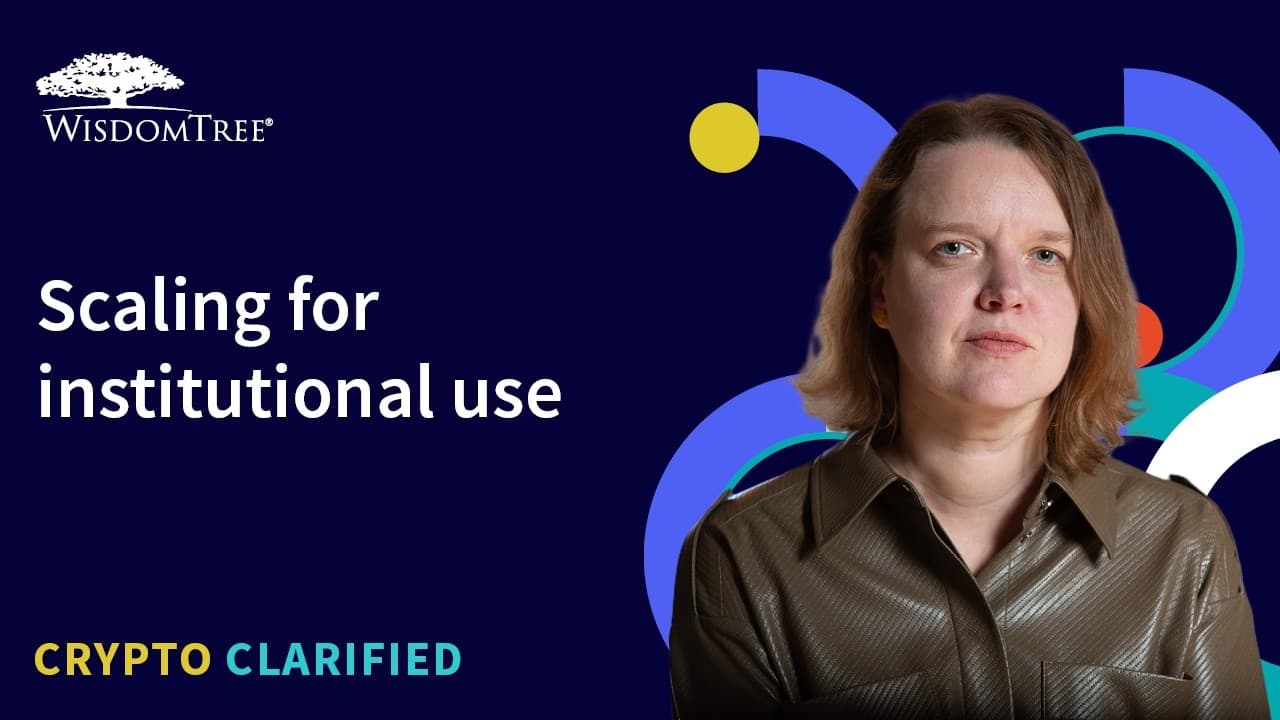
In a March 2026 episode of the Crypto Clarified podcast hosted by Dovile Silenskyte and Vinh Tran, Gaur joined Michal Zajac and Marek Moraczynski to discuss Ethereum’s architecture, Layer 2 scaling solutions, and institutional adoption. The discussion highlighted Nethermind’s role in the Ethereum ecosystem as an engineering and research organization that contributes to core protocol development, infrastructure, security auditing, and formal verification, backed by a large team of blockchain engineers. The speakers explained how Ethereum’s Layer 1 mainnet and Layer 2 solutions, such as optimistic and zero-knowledge rollups, work together to improve scalability while enabling institutions to explore use cases that require privacy, compliance, and operational flexibility. Most institutional activity remains concentrated on Layer 1 due to its perceived robustness.
They also covered Ethereum’s long-term security and resilience strategy, including ongoing research into post-quantum cryptography, client diversity, and upgrade mechanisms designed to maintain network stability without downtime. The conversation emphasized the growing importance of zero-knowledge proofs in enabling scalable, regulation-aware financial applications, while also noting challenges related to standardization and regulatory acceptance. Overall, they outlined a trajectory for Ethereum focused on improved scalability, security, and usability, with institutional adoption expected to expand as infrastructure matures and supports a broader range of compliant, enterprise-grade use cases. [6]