0% read
마지막 업데이트:
Kevin Lepsoe
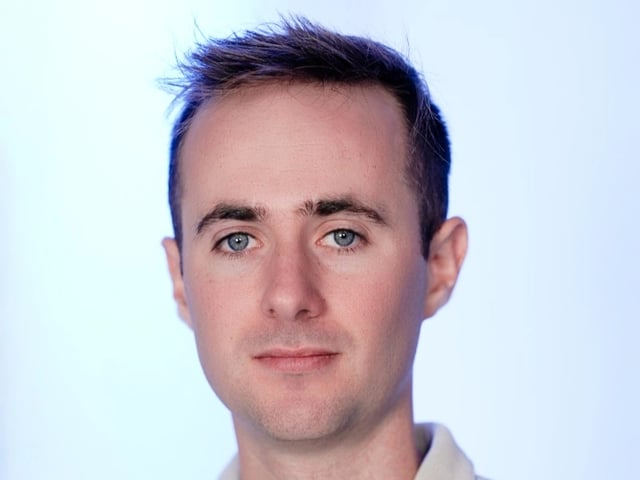
**케빈 렙소(Kevin Lepsoe)**는 파생상품 시장과 탈중앙화 금융(DeFi) 분야의 배경을 가진 금융 공학자이자 기술 기업가입니다. 그는 모건 스탠리(Morgan Stanley), 바클레이즈(Barclays), ING 베어링스(ING Barings)에서 구조화 및 금융 공학 업무를 담당한 후, 블록체인 인프라 이니셔티브인 ETHGas와 DeFi 프로토콜인 Infinity Exchange를 설립했습니다. [1]
학력
렙소는 2000년 브리티시 컬럼비아 대학교(University of British Columbia)에서 수학 및 금융 학사 학위를 받고 졸업했습니다. 2010년에는 최면치료 훈련원(Hypnotherapy Training Institute)에 다녔으며, 그곳에서 공인 임상 최면치료사가 되었습니다. [2]
경력
렙소는 2001년 ING 베어링스에서 전통 금융 경력을 시작했으며, 홍콩과 싱가포르를 오가며 외환 옵션, 금리 상품 및 구조화 신용 업무를 담당했습니다. 2003년에는 바클레이즈 캐피털(Barclays Capital)에 부이사(associate director)로 합류하여 구조화 신용 및 금리에 집중했으며, 자산 측면 구조화 상품의 지역 구조화를 이끌었습니다. 렙소는 2006년 모건 스탠리로 자리를 옮겨 홍콩의 구조화 및 금융 공학 부문 책임자로 근무했습니다. 이 역할에서 그는 금융 기관, 펀드 및 정부 기관에 복잡한 금융 위험의 구조화, 규제 및 거래에 대해 자문하는 팀을 이끌었습니다.
2014년, 렙소는 기술 기업가로 전향하여 뉴욕, 홍콩, 런던에서 운영되는 홍콩 기반 기술 지주 회사인 Notey Ltd.를 설립했습니다. 2018년에는 중국 인터넷 생태계와 글로벌 웹사이트 간의 연결을 가능하게 하는 데 중점을 둔 기업용 클라우드 기술 회사인 Chinafy를 설립했습니다. 그는 2022년까지 이 회사의 최고 경영자(CEO)로 재직했습니다.
렙소는 2022년 기관 대출 및 금리 시장에 초점을 맞춘 프로토콜인 Infinity Exchange를 설립하며 탈중앙화 금융 산업에 진입했습니다. 2024년에는 거래 수수료와 블록 공간을 구조화된 거래 가능 자산으로 변환하는 이더리움 네트워크용 블록체인 인프라 플랫폼인 ETHGas를 설립했습니다. [3]
인터뷰
실시간 이더리움 (Realtime Ethereum)
2026년 3월 '11AM w/ Seed Club' 쇼에서 렙소는 이더리움의 레이어 1(L1) 및 레이어 2(L2) 기술의 진화와 잠재력에 대해 논의했습니다. 그는 L1 확장성의 발전에 대해 기대를 표하며, 2026년까지 거래 용량이 크게 증가하여 사용자 경험이 향상될 수 있다고 언급했습니다. 렙소는 L1과 L2 솔루션 사이의 오랜 논쟁을 다루며, 탈중앙화나 보안을 희생하지 않고도 더 빠른 거래를 가능하게 할 수 있는 기술적 개선 덕분에 L1이 다시 주목받아야 한다고 주장했습니다. 그는 ETHGas가 어떻게 블록 공간을 상품화하여 더 효율적인 거래를 가능하게 하고 유니스왑(Uniswap)과 같은 탈중앙화 애플리케이션의 운영 프레임워크를 개선했는지 자세히 설명했습니다. 또한 대화에서는 ETHGas를 이더리움의 기존 생태계에 통합하는 과정의 과제, 모델 내 명확한 거버넌스의 필요성, 앞으로 나아가기 위한 커뮤니티 협력의 중요성도 다루었습니다. 렙소는 이더리움의 미래와 시장 수요를 충족할 수 있는 잠재력에 대해 낙관하며, 내년에 유틸리티와 성능 면에서 상당한 성장이 있을 것으로 기대하며 마무리했습니다. [5]
이더리움의 미래 (Ethereum Future)
2026년 1월 'Talking Tokens' 팟캐스트에서 렙소는 이더리움이 수익률 곡선을 지원하고 실시간 거래를 촉진하도록 진화하여 전통적인 금융 시스템을 넘어서는 기능을 강화한 과정을 설명했습니다. 그는 전통 금융에서의 폭넓은 배경을 바탕으로 얻은 통찰력을 공유하며, 자신의 경험이 어떻게 DeFi 서머 기간 동안 암호화폐와 탈중앙화 금융의 잠재력을 수용하게 했는지 설명했습니다. 렙소는 이더리움 블록 공간의 기존 문제, 특히 채굴자 추출 가치(MEV)와 관련된 문제가 기관의 도입과 효율성을 저해한다고 강조했습니다. 그는 이더리움의 거래 확정 시간을 12초에서 50밀리초로 단축하여 새로운 거래 메커니즘과 유동성을 열어줄 수 있는 솔루션을 제시한 ETHGas의 혁신을 개괄했습니다. 렙소는 또한 사용자가 블록 공간을 구매하고 거래할 수 있는 시장을 조성하는 것의 중요성을 논의하고, 사용자와 검증자 모두에게 권한을 부여할 거버넌스 토큰의 개념을 소개했습니다. ETHGas의 미래를 되짚어보며, 그는 이러한 발전이 전통 금융 플레이어들을 끌어들이고 더 포용적이고 효율적인 생태계를 촉진할 것이라는 낙관론을 펼쳤습니다. [6]
스테이킹 (Staking)
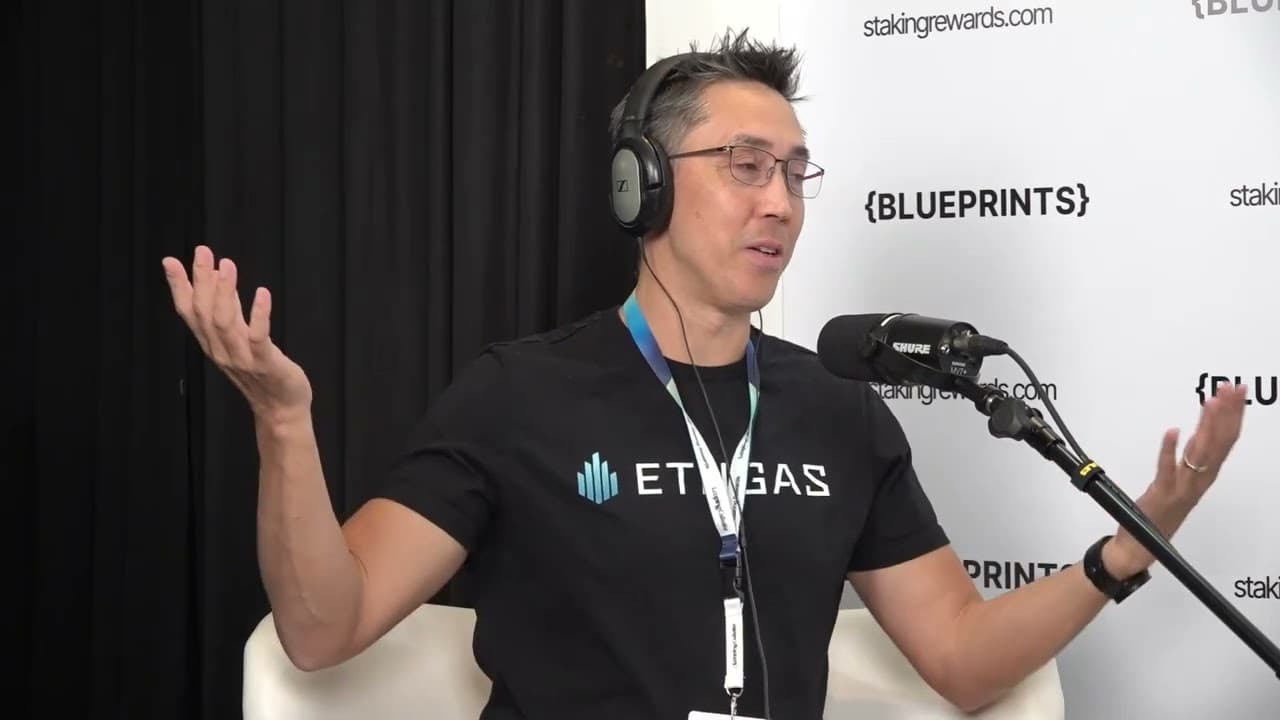
2025년 11월 스테이킹 서밋(Staking Summit)에서 렙소는 블록 공간 시장을 창출하는 데 있어 ETHGas가 수행한 혁신적인 역할에 대해 논의했습니다. 그는 ETHGas가 검증자들이 자신의 블록을 미리 판매하고 트레이더들이 이익을 위해 해당 블록을 구매 및 조작할 수 있도록 함으로써, 리스크를 관리하고 블록체인 네트워크 내 카르텔 형성을 줄이는 데 도움이 되는 도구들을 암호화폐 세계에 도입하는 것을 목표로 한다고 설명했습니다. 이러한 접근 방식은 블록 공간에 대한 접근을 민주화할 뿐만 아니라 훨씬 짧은 시간 내에 거래를 가능하게 함으로써 이더리움 네트워크를 강화했습니다. 렙소는 자신의 벤처가 운영 단 몇 달 만에 약 200억 ETH의 거래를 촉진했다는 즉각적인 성공을 강조했으며, 향후 더 많은 기관 투자자를 이더리움으로 유치하기 위해 고정 금리 스테이킹 상품을 개발하겠다는 비전을 공유했습니다. 그는 더 많은 정보를 원하는 이해관계자들에게 ETHGas 웹사이트를 방문해 줄 것을 요청하며 마무리했습니다. [7]
발표
사전 확인 및 블록 공간 (Preconfs & Blockspace)
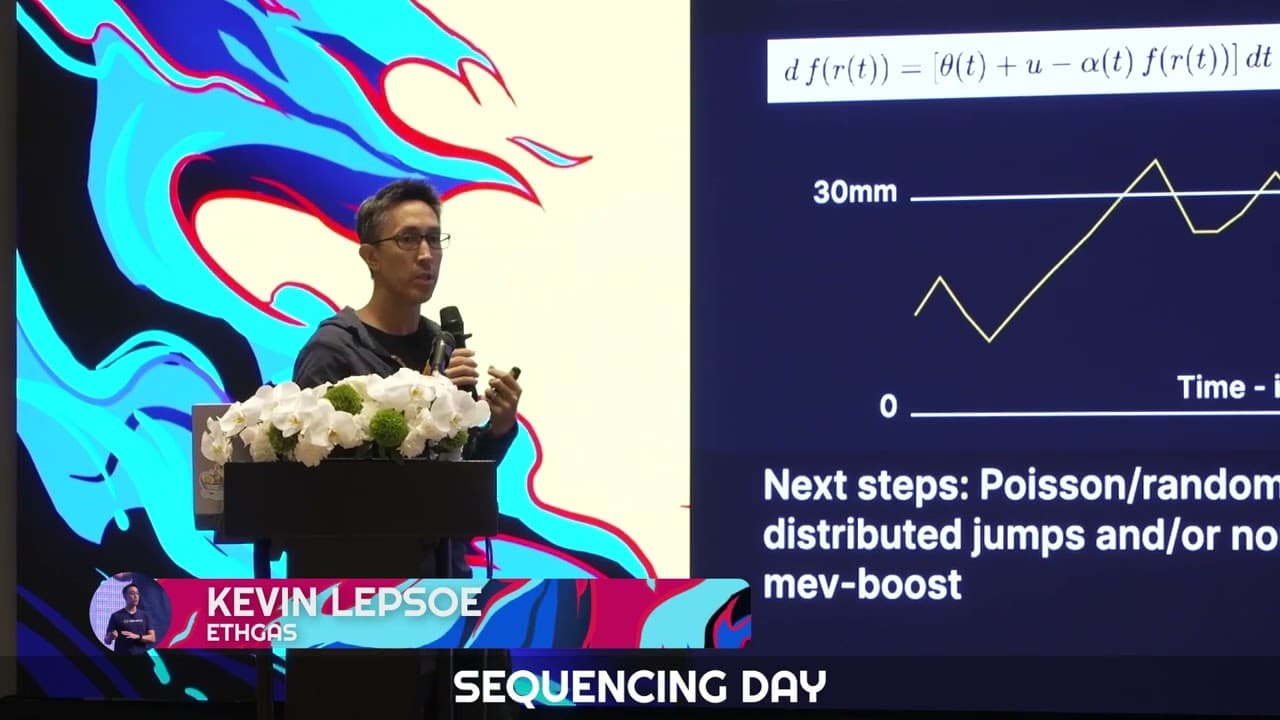
11월에 열린 Sequencing Day 2024에서 렙소는 이더리움 생태계에서 사전 확인(pre-confirmations)과 블록 공간 상품의 관련성에 대해 상세히 설명했습니다. 그는 사전 확인을 검증자가 트레이더에게 블록 공간을 미리 판매하여 빠르고 효율적인 거래를 가능하게 하는 합의라고 설명했습니다. 렙소는 옵션 거래와 비교하며 이 블록 공간에 대한 공정한 가격 책정 시스템을 구축하는 것의 복잡성을 언급하고, 여러 블록을 고려할 때 시장 역학이 어떻게 변하는지 강조했습니다. 그는 고정 금리 시장의 잠재력을 언급하며, 이를 전통적인 원자재 및 금리 시장과 비교하여 참가자들에게 더 큰 안정성과 확실성을 제공할 수 있다고 말했습니다. 강연 전반에 걸쳐 그는 이더리움이 더 구조화된 금융 생태계로 진화하여 솔로 스테이커와 대규모 검증자를 포함한 모든 참가자에게 더 큰 기회를 제공해야 한다는 비전을 표명했습니다. 이 대화는 이더리움 네트워크 내에서 장기적인 성장과 안정을 촉진하기 위해 변동성을 줄이고 투명한 시장을 조성하는 것의 중요성을 강조했습니다. [8]
고정 수입 (Fixed Income)
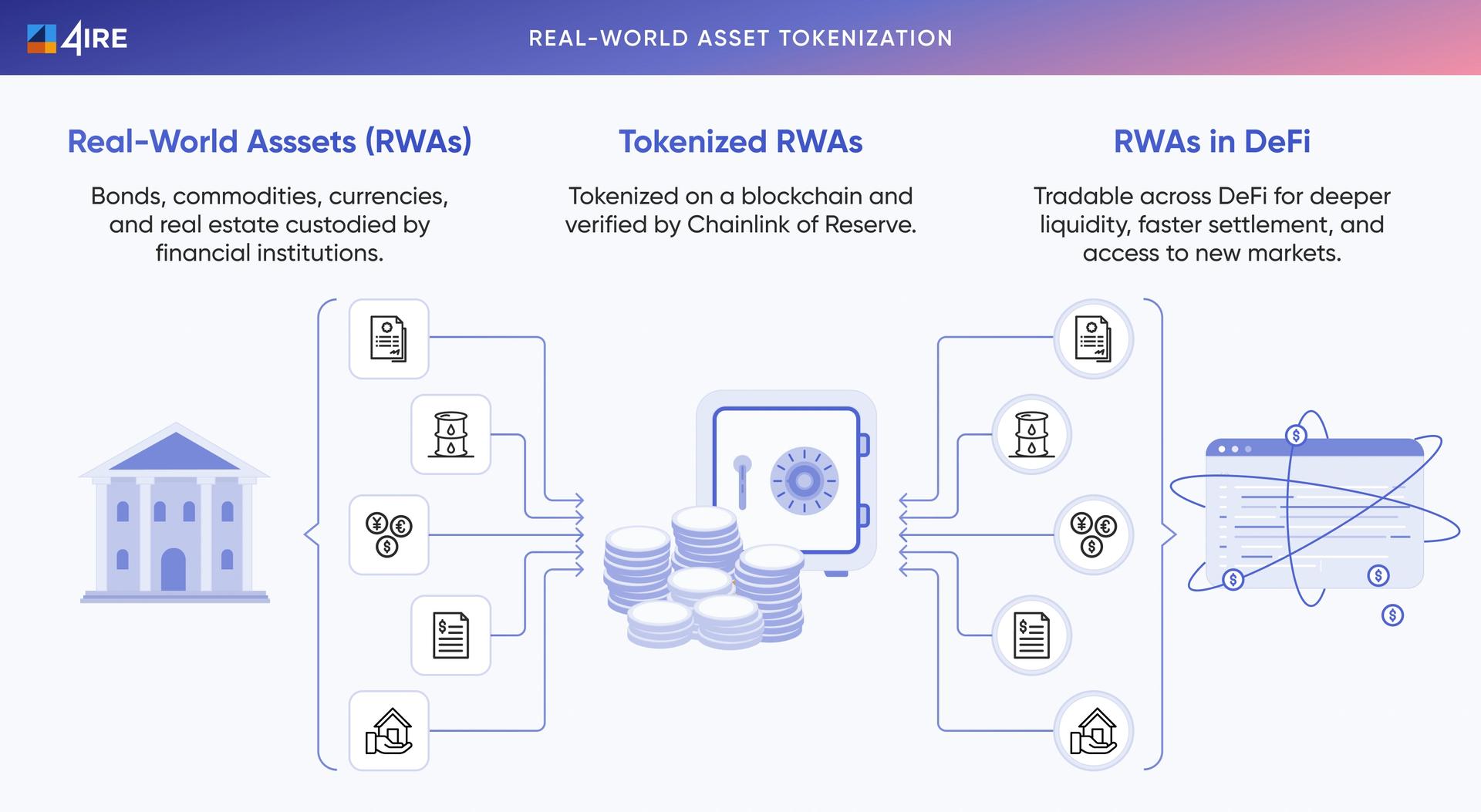
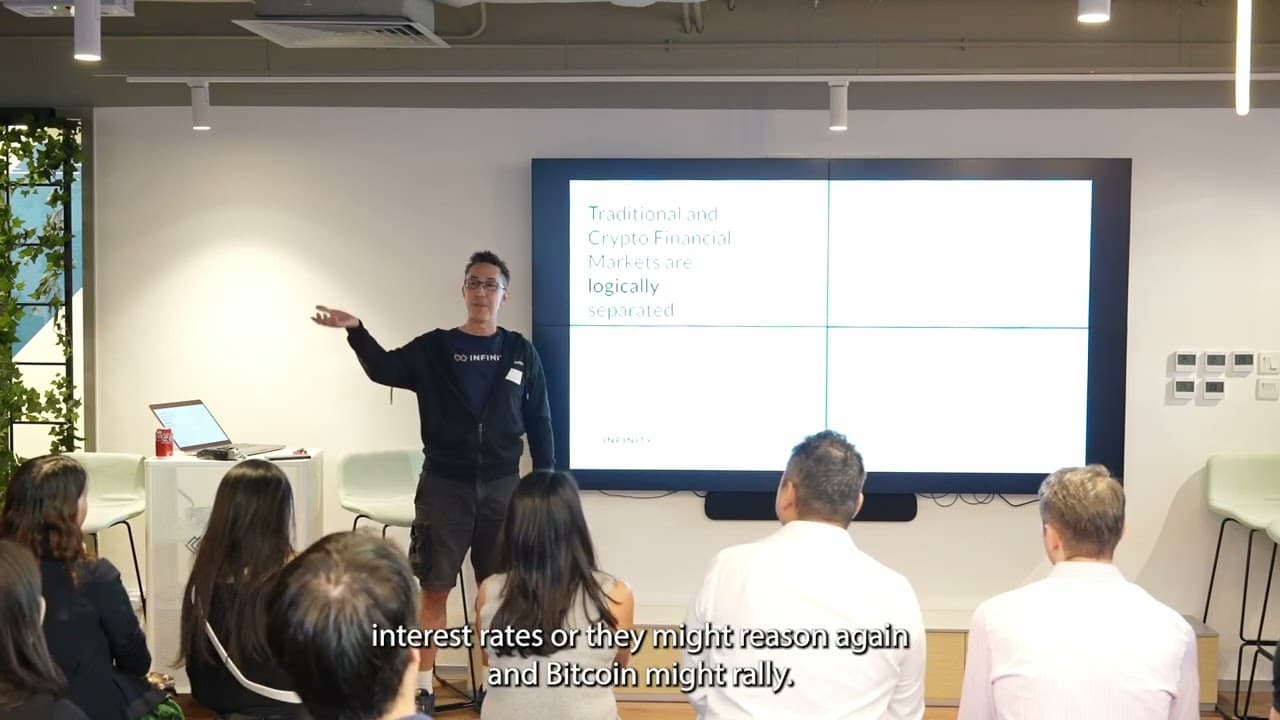
2023년 11월 BCW와 Galaxy가 주최한 밋업에서 렙소는 고정 수입(fixed income)에 초점을 맞춰 암호화폐와 법정 화폐 금융 시장의 융합에 대해 논의했습니다. 그는 2010년부터 시작된 자신의 초기 암호화폐 공간에서의 경험을 공유하며, 처음에는 비트코인을 통화로 보고 금리 및 통화 스왑과 같은 상품을 통해 전통적인 금융 구조에 통합할 것을 제안했습니다. 렙소는 전통적인 금융 시스템과 암호화폐 세계 사이의 격차를 해소하기 위해 실물 자산(RWA), 특히 채권과 머니 마켓 펀드를 토큰화하는 것의 중요성을 강조했습니다. 그는 국채의 토큰화가 어떻게 이 두 생태계를 논리적으로 결합하는 차익 거래 기회를 창출하여 더 통합된 시장을 촉진할 수 있는지 설명했습니다. 강연 내내 그는 돈과 관련된 신용을 이해하는 것의 중요성을 강조했으며, 암호화폐 분야에서 고정 수입을 위한 견고한 인프라를 구축하는 것이 업계의 미래 성장에 결정적이라고 강조했습니다. [4]
잘못된 내용이 있나요?

평균 평점
아직 평가가 없습니다
경험은 어땠나요?
빠른 평가를 해서 우리에게 알려주세요!
편집자
March 9, 2026. 18:42 UTC
편집 요약:
Removed wiki page for Kevin Lepsoe