Subscribe to wiki
Share wiki
Bookmark
Ghostcoin
The Agent Tokenization Platform (ATP):Build autonomous agents with the Agent Development Kit (ADK)
0%
Ghostcoin
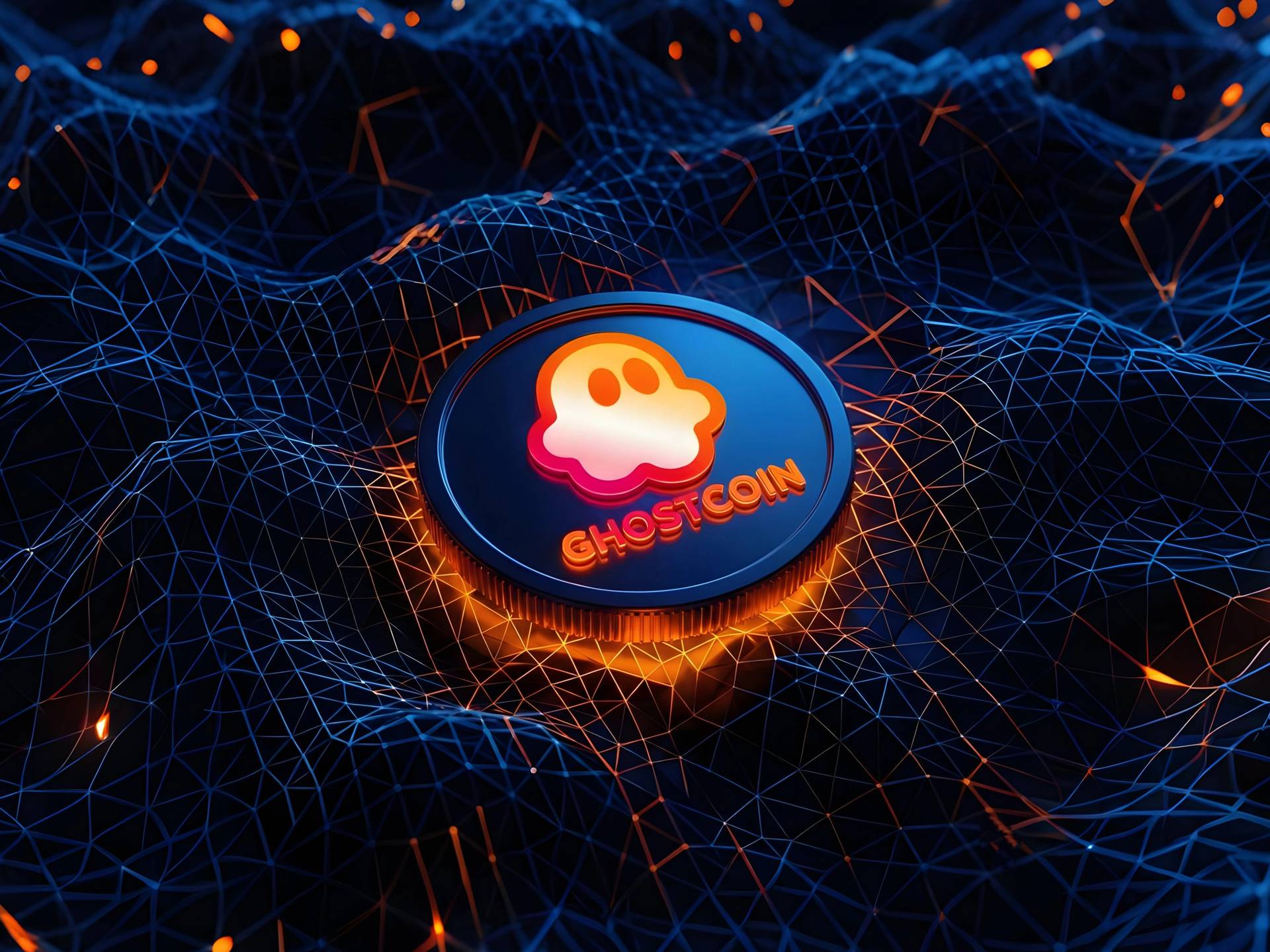
Ghostcoin is a privacy-focused protocol and the native cryptocurrency of the Umbraline Layer 1 blockchain. It is designed to allow users to remove crypto assets or digital information from the blockchain, hold them privately off-chain as a "Phantom Key," and later redeem them without creating a traceable on-chain link between the deposit and withdrawal. [1] [2]
Overview
Ghostcoin is an infrastructure project designed to address the privacy limitations of permanent and public blockchain ledgers. Instead of hiding or encrypting transaction data on-chain, Ghostcoin's underlying technology, the Ghost Protocol, enables users to temporarily remove value or information from the blockchain entirely. The project's core principle is summarized by the phrase: "Nothing is hidden. There is nothing to trace." This is achieved through a "commit-once, reveal-once" mechanism where a user’s assets are converted into an off-chain data object called a Phantom Key. This key contains all the information needed to restore the assets on-chain but exists completely outside the blockchain network while it is held. [2] [3]
The system is built on the tenet that possession of the Phantom Key equals control of the assets, eliminating the need for traditional user accounts or on-chain balances that can be tracked, frozen, or censored. The redemption process utilizes zero-knowledge proofs to validate a Phantom Key without revealing its origin or transaction history, cryptographically severing the link between the party who created the key and the party who redeems it. This makes the protocol suitable for applications where transaction histories or the existence of on-chain balances are considered a liability. [1]
Products
Ghostcoin Protocol & GHOST Coin
Ghostcoin is the flagship application of the Ghost Protocol, designed for unlinkable value transfers. Its native asset is GHOST, which is described by the project as a "coin, not a token," signifying its status. GHOST is the unit of value used within the protocol to be committed into ("Vanish") and revealed from ("Summon") Phantom Keys. [1] [5]
Ghostcoin Web App
The official web application, available at portal.ghostcoin.com, serves as the primary user interface for interacting with the protocol. The portal provides functionality for users to "Vanish Value" (commit GHOST into a Phantom Key) and "Summon Once" (reveal a Phantom Key to receive GHOST). As of early 2026, the web app is marked as experimental, unaudited, and operating on a testnet. [4] [1]
Ghost Coin (Physical Device)
Announced on January 29, 2026, the Ghost Coin is a physical hardware product designed for the tangible transfer of crypto. It is a custom NFC device that utilizes a high-security NTAG 424 DNA chip. Each device is bound to a single Phantom Key, allowing a user to load the GHOST cryptocurrency onto it. The physical coin can then be transferred hand-to-hand, with the recipient able to verify the contents and later redeem the value, functioning as a modern bearer asset. [5]
Use Cases
- Traceless Value Transfer: The primary use case of Ghostcoin allows assets to be moved between parties without leaving a traceable history on the blockchain that connects the sender and receiver. [1]
- Offline "Cash-Like" Payments: By storing a Phantom Key on a physical medium like paper, a QR code, or the "Ghost Coin" NFC device, users can exchange value in a manner similar to physical cash. [1] [5]
- Conditional Data Retrieval: Developers can create applications where sensitive information is removed from the blockchain and can only be revealed or accessed once specific, pre-defined conditions are met. [1]
- Liability Reduction: The protocol is suitable for use in domains where maintaining a permanent, analyzable history of transactions or account balances presents a legal or operational risk. [1]
- Leak-Proof Credentials and Sealed Disclosures: The commit-reveal primitive can be used to issue and verify digital credentials without exposing the underlying data on-chain, or to cryptographically seal information for disclosure at a future time. [2]
Tokenomics
$GHOST is the native utility token of the Umbraline blockchain and functions as the primary unit of account within the GhostCoin protocol. It is required to generate Phantom Keys through the Vanish function and is returned upon redemption via the Summon function. GHOST is also the asset stored on the Ghost Coin hardware device, enabling offline value transfers. The token’s role is centered on facilitating protocol operations and value representation rather than serving as an external incentive mechanism. [1] [5]
See something wrong?
The Agent Tokenization Platform (ATP):Build autonomous agents with the Agent Development Kit (ADK)