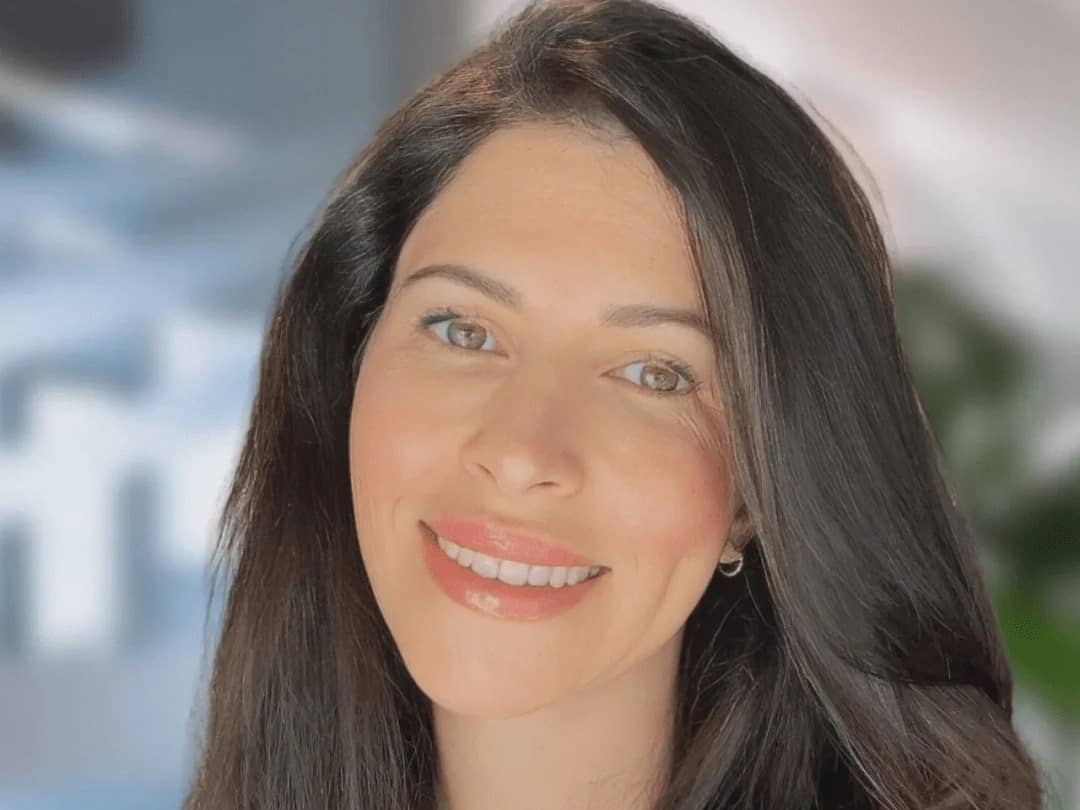
Andrea Miele
Andrea Miele is an entrepreneur and former medical-device sales and management professional. She is the founder and CEO of Beezie, a collectibles marketplace and digital platform focused on the trading, tokenization, and distribution of physical collectibles. [7]
Education
Miele graduated from Suffolk University with a Bachelor of Science in 2004. [1]
Career
Miele began his career at Cook Medical, where she served as a District Manager for Aortic Intervention from 2006 to 2007, focusing on abdominal aortic aneurysm (AAA) endovascular repair. She subsequently worked in Sales and Marketing at Endologix from 2007 to 2009 before joining Medtronic in a sales role from 2009 to 2010. From 2010 to 2019, she was part of the leadership team at Endologix, where she spent more than nine years. In July 2022, Miele founded Beezie, a collectibles marketplace and platform, where she has served as founder and CEO. [1]
Interviews
Founder Showcase
In an April 2026 Beezie podcast interview, Miele discussed the development of Beezie and its focus on applying blockchain technology to the collectibles market. She said the company had focused on collectibles because of similarities between Web3 users and traditional collectors, particularly around resale, transparency, trust, and liquidity. Miele described the period before the company’s launch on Base as difficult, noting that the concept initially faced limited understanding and support, while the Base launch subsequently accelerated user growth. She characterized Beezie’s approach as combining collecting with trading and gamified commerce, using products such as the Claw to allow users to discover, acquire, and exchange collectibles within a single platform. Miele also discussed the company’s multichain strategy, saying it was intended to reach users across different blockchain ecosystems and broaden access to the platform.
In a follow-up interview published in May 2026, Miele discussed tokenization and on-chain ownership as mechanisms for making physical collectibles easier to trade and verify. She argued that blockchain-based ownership records could reduce reliance on manual processes for establishing authenticity, custody, and ownership history, while allowing ownership to transfer without necessarily moving the underlying physical asset. She also described Beezie’s expansion beyond Pokémon into categories including sports cards, watches, and sneakers, and identified luxury goods as a potential area of further expansion. Other developments she discussed included the Points Vault, a Solana launch, additional Claw price tiers, player-versus-player experiences, and brand integrations. [2] [8]
Beezie
In an April 2026 interview on the Sporting Crypto podcast, Miele discussed Beezie as a tokenized collectibles platform covering categories such as Pokémon, sneakers, and watches, with gamified features intended to broaden participation in the market. She described problems in traditional collectibles, including authenticity, physical damage, storage, and limited liquidity, and discussed how blockchain-based ownership records and provenance tracking could address some of these issues. Miele also discussed opportunities for brands to participate through partnerships, gamified campaigns, and white-label products, while identifying transaction fees and buyback mechanisms as components of Beezie’s business model. She described the platform’s expansion following its launch on Base and discussed plans to enter additional blockchain ecosystems, including Solana, while expanding into new collectible categories and geographic markets. [3]
Tokenizing RWAs
In a January 2026 CraigCast interview, Miele discussed Beezie’s approach to tokenizing physical collectibles and using blockchain infrastructure to address issues related to ownership, custody, and transparency. She described the platform’s development on Flow and Base, including the use of Brink’s vaulting for physical assets and integrations with platforms such as OpenSea and other brands. Miele discussed Beezie’s user base, which included collectors and speculative participants, as well as the broader adoption of tokenized real-world assets and potential expansion into categories such as jewelry, cars, and sneakers. She also addressed blockchain interoperability, regulatory considerations, and the decision to expand onto Base, while discussing potential future features including token launches, lending, and auctions. Miele cited examples involving high-value collectible cards and other physical assets to illustrate how tokenization could facilitate digital ownership and trading while keeping the underlying items in secure storage. [4]