0% read
마지막 업데이트:
Charles Lu
Charles Lu는 확장성 및 상호 운용성 문제 해결을 목표로 하는 차세대 블록체인 인프라 개발 조직인 Espresso Systems의 저명한 공동 창립자입니다. 암호학 및 블록체인 프로토콜에 대한 강력한 배경 지식을 바탕으로, Lu의 기여는 특히 Espresso Systems를 통해 블록체인 기술을 발전시키는 데 중추적인 역할을 해왔습니다. [1] [2]
초기 생애 및 교육
Charles Lu는 스탠퍼드 대학교에서 학업을 이어갔으며, 그곳에서 인공지능을 전공으로 컴퓨터 과학 학사 및 석사 학위를 모두 취득했습니다. 스탠퍼드 재학 시절, Lu의 관심은 암호학 및 블록체인으로 확장되었고, 이는 그가 스탠퍼드 블록체인 클럽(Stanford Blockchain Club)을 창립하는 계기가 되었습니다. 이 이니셔티브는 Lu의 향후 행보와 블록체인 기술에 대한 기여를 형성하는 데 중요한 역할을 했습니다. [1]
경력
Espresso Systems 공동 창립
2021년, Charles Lu는 Ben Fisch, Jill Gunter와 같은 저명한 인물들과 함께 Espresso Systems를 공동 창립했습니다. [2] Espresso Systems는 롤업 시퀀서 간의 조정을 촉진하여 이더리움의 롤업 기술을 향상시키는 탈중앙화 프로토콜을 만드는 데 집중하고 있습니다. 이는 롤업 간의 더 원활하고 효율적인 상호 운용성을 가능하게 함으로써 이더리움 생태계의 파편화 문제를 완화하는 것을 목표로 합니다. [2]
역할 및 기여
Lu는 Espresso Systems 발전에 전념하기 위해 박사 과정 중에 휴학했습니다. 그의 기술적 전문 지식과 운영 능력은 블록체인 인프라를 위한 혁신적인 솔루션을 개발하는 데 중요한 역할을 했습니다. 그는 또한 Espresso의 탈중앙화 네트워크 및 시장 조정 메커니즘 개발에도 크게 기여했습니다. [1] [2]
크립토 및 Web3에 대한 기여
블록체인 혁신
Lu의 지휘 아래 Espresso Systems는 롤업 시퀀서가 블록 공간을 효율적이고 안전하게 판매할 수 있도록 하는 마켓플레이스 모델을 도입했습니다. 이 혁신은 상호 운용성을 향상시키는 통합 트랜잭션 시퀀싱 메커니즘을 제안함으로써 이더리움의 롤업 중심 확장성 로드맵의 주요 과제를 해결합니다. [2]
주요 프로젝트
Lu가 Espresso Systems에서 이끈 주요 프로젝트 중 하나는 탈중앙화된 비잔틴 장애 허용 (BFT) 합의 알고리즘의 개발입니다. 이는 기관 고객이 요구하는 보안 표준을 유지하면서도 확정 시간을 획기적으로 개선합니다. 이러한 기술적 이정표를 통해 Espresso는 수초 내에 크로스체인 트랜잭션과 작업을 처리할 수 있게 되어 블록체인 애플리케이션의 새로운 기회를 열어줍니다. [3]
투자 및 벤처
Charles Lu의 구체적인 투자나 벤처 활동에 대한 상세한 내용은 가용한 자료에 완전히 기록되어 있지 않지만, Espresso Systems에 대한 그의 참여는 업계의 상당한 관심과 벤처 캐피털의 투자를 이끌어냈습니다. Espresso Systems는 잠재력이 높은 블록체인 및 기술 프로젝트에 투자하는 것으로 알려진 Andreessen Horowitz를 포함한 존경받는 벤처 기업들의 지원을 받았습니다. [2]
따라서 학술적 및 실무적 블록체인 응용 분야 모두에서의 Charles Lu의 역할과 노력은 오늘날의 블록체인 및 크립토 환경을 형성하는 데 계속해서 영향력을 미치고 있습니다.
인터뷰
TOKEN2049 #01에서 멀티체인 상호 운용성 확보
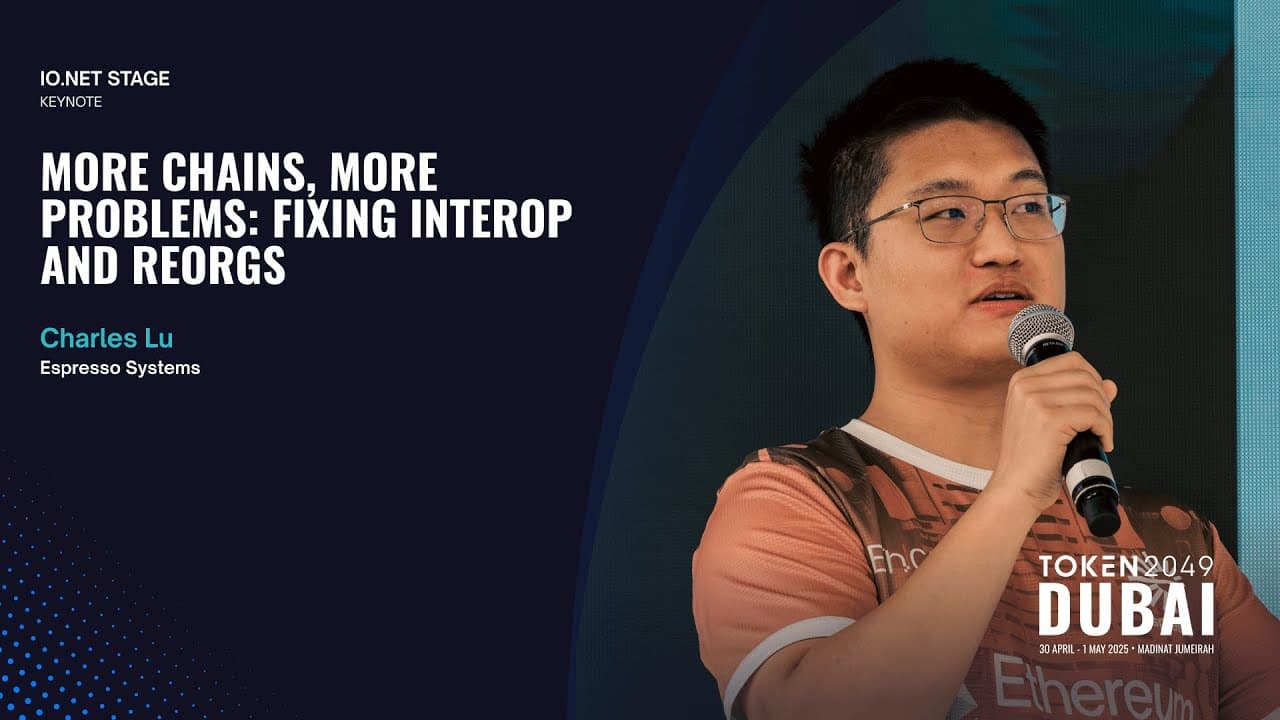
2025년 5월 9일, Charles Lu는 TOKEN2049 Dubai 2025에서 "더 많은 체인, 더 많은 문제: 상호 운용성 및 리오그(Reorgs) 해결"이라는 주제로 기조 연설을 진행했습니다. 발표 과정에서 그는 블록체인 네트워크 수의 증가와 관련된 기술적 고려 사항을 논의하고, 크로스체인 메시지 확인 및 상호 운용성을 위한 Espresso Systems의 설계를 설명했습니다.
Lu는 롤업의 확장이 트랜잭션 순서 지정을 담당하는 단일 시퀀서의 사용을 증가시켰다고 언급했습니다. 그의 발표에 따르면, 이러한 아키텍처는 최종 결제 전 트랜잭션 순서 재조정 및 체인 재구성(reorganization)과 관련된 리스크를 초래할 수 있습니다. 그는 또한 독립적인 블록체인 네트워크 간의 통신이 다른 시스템에서 인식되기 전 트랜잭션 확인이 필요하기 때문에 추가적인 비용과 지연이 발생할 수 있는 방식을 설명했습니다.
이 발표는 또한 Lu가 레이어 1 네트워크에서의 최종 결제 전 크로스체인 메시지를 확인하기 위한 중간 프로토콜로 설명한 Espresso의 확인 계층(confirmation layer)을 다루었습니다. 그는 이 시스템이 기본 블록체인에 기록된 최종 상태와의 일관성을 유지하면서 짧은 시간 내에 확인을 제공하도록 의도되었다고 설명했습니다. Lu는 또한 Espresso에서 사용하는 합의 프로토콜인 HotShot에 대해 논의하며, 낙관적 반응성(optimistic responsiveness) 모델과 분산된 검증인 참여를 지원하면서 표준 네트워크 조건 하에서 수초 내에 트랜잭션 확정성에 도달하는 것을 목표로 한다고 설명했습니다. [5]
잘못된 내용이 있나요?

평균 평점
아직 평가가 없습니다
경험은 어땠나요?
빠른 평가를 해서 우리에게 알려주세요!
편집자
July 30, 2026. 19:58 UTC
편집 요약:
Updated tags (Ethereum moved first), changed category to People in crypto, expanded events 3 to 6; media remains 3 items